ISLAMABAD, Pakistan – Pakistan’s national and international media outlets are providing extensive coverage of the ongoing flash floods, emphasizing the alarming death toll, particularly among children, and the mounting challenges for relief and recovery. Reports from various Pakistani news channels and newspapers, alongside international agencies, paint a grim picture of the widespread destruction and humanitarian crisis unfolding across the country, especially in the eastern provinces.
Key Reporting Points from Pakistani Media:
- Soaring Death Toll, Child Vulnerability: Pakistani media, citing data from the National Disaster Management Authority (NDMA) and provincial disaster management authorities (PDMA), are consistently reporting a rising death toll, now exceeding 170 nationwide since the monsoon season began on June 26. A deeply concerning aspect frequently highlighted is that children account for over half of these fatalities, with many succumbing to drowning or post-flood waterborne diseases like dysentery, dengue fever, and malaria. Specific numbers, like 85 children dead since June 26, are widely cited.
- Punjab Province Heavily Impacted: The eastern province of Punjab is at the forefront of the media coverage, with cities like Lahore, Rawalpindi, Faisalabad, Chakwal, and agricultural towns such as Okara, Sahiwal, and Pakpattan frequently mentioned as being severely affected. News reports feature continuous updates on casualty figures from Punjab, including daily tolls (e.g., 54 deaths in the last 24 hours).
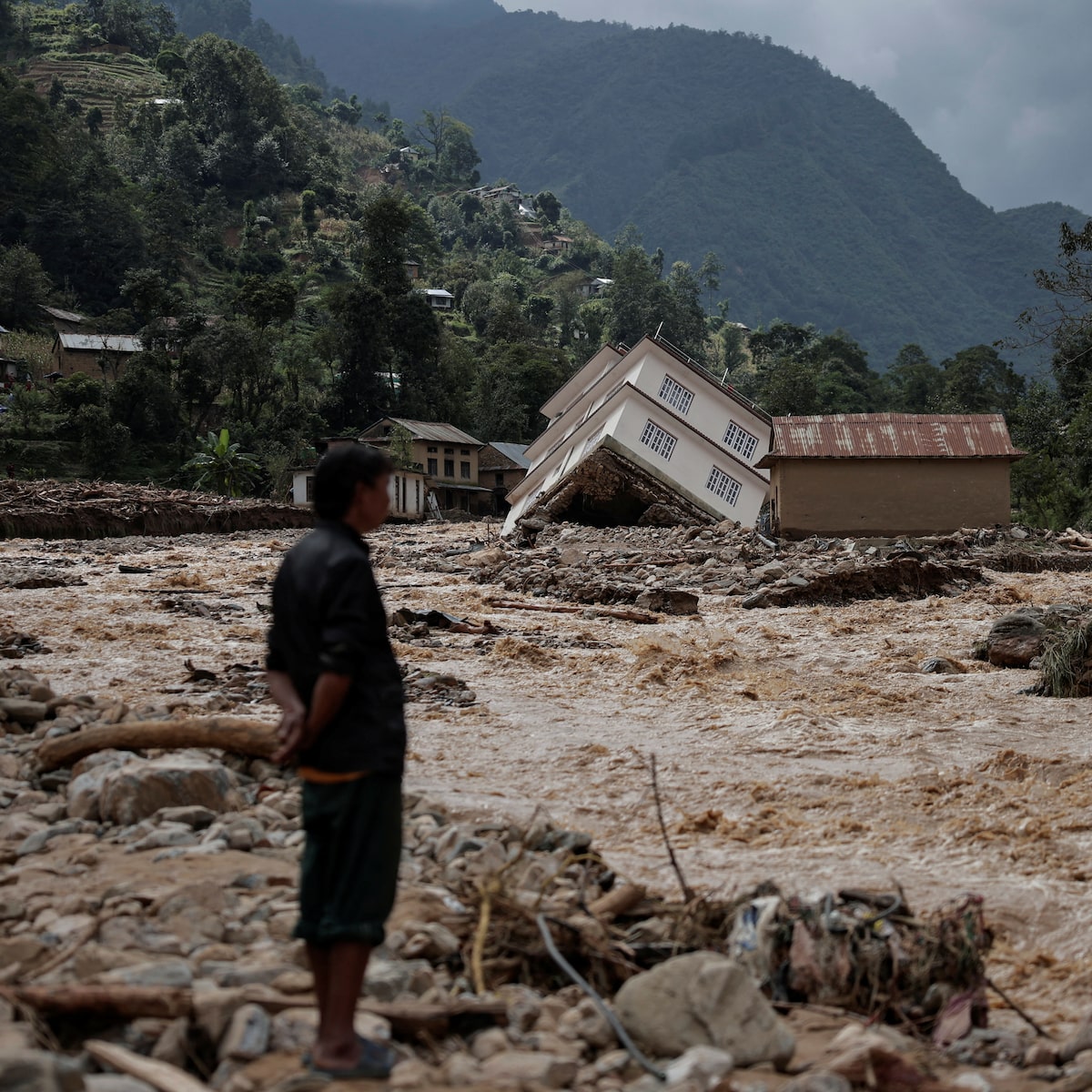
- Destruction and Displacement: Visuals and reports from Pakistani media outlets like Geo News, Dawn, and The News International extensively show houses collapsing, roads submerged, and vast agricultural lands inundated. Footage often includes dramatic scenes of rescue operations, with military personnel and local emergency services (like Rescue 1122) actively engaged in evacuating stranded residents. The declaration of a “rain emergency” in several districts of Punjab by Chief Minister Maryam Nawaz has also been a major news point.
- Economic Strain: Pakistani media are increasingly discussing the severe blow the recurring floods are dealing to the country’s already fragile economy. The impact on livelihoods, agriculture, and infrastructure is a constant theme, with analysts and officials weighing in on the long-term economic consequences. The establishment of relief camps for displaced individuals is also reported.
- Meteorological Warnings and Preparedness: News channels consistently broadcast updates from the Pakistan Meteorological Department (PMD), warning of continued heavy rainfall and the potential for further flash floods and urban flooding. There’s an emphasis on advising citizens in vulnerable areas to prepare emergency kits and stay alert. The response of various government departments, including district administrations, police, and rescue services, being put on high alert, is also a regular feature.
- Reminders of 2022 Floods and Climate Vulnerability: Many Pakistani media outlets draw parallels to the catastrophic 2022 floods, which submerged a third of the country. This comparison serves to underscore Pakistan’s extreme vulnerability to climate change and the increasing frequency and intensity of extreme weather events. There is also discussion about the effectiveness of disaster preparedness measures and the need for long-term climate resilience strategies.
- Call for Action and Aid: While reporting on the immediate crisis, there’s often an underlying call for greater national and international support for relief and recovery efforts. The deployment of the army for rescue missions and the opening of relief camps are frequently highlighted as official responses.
Pakistani media are playing a crucial role in disseminating critical information, documenting the human and economic toll, and advocating for stronger disaster management and climate adaptation strategies in the face of these relentless natural calamities.