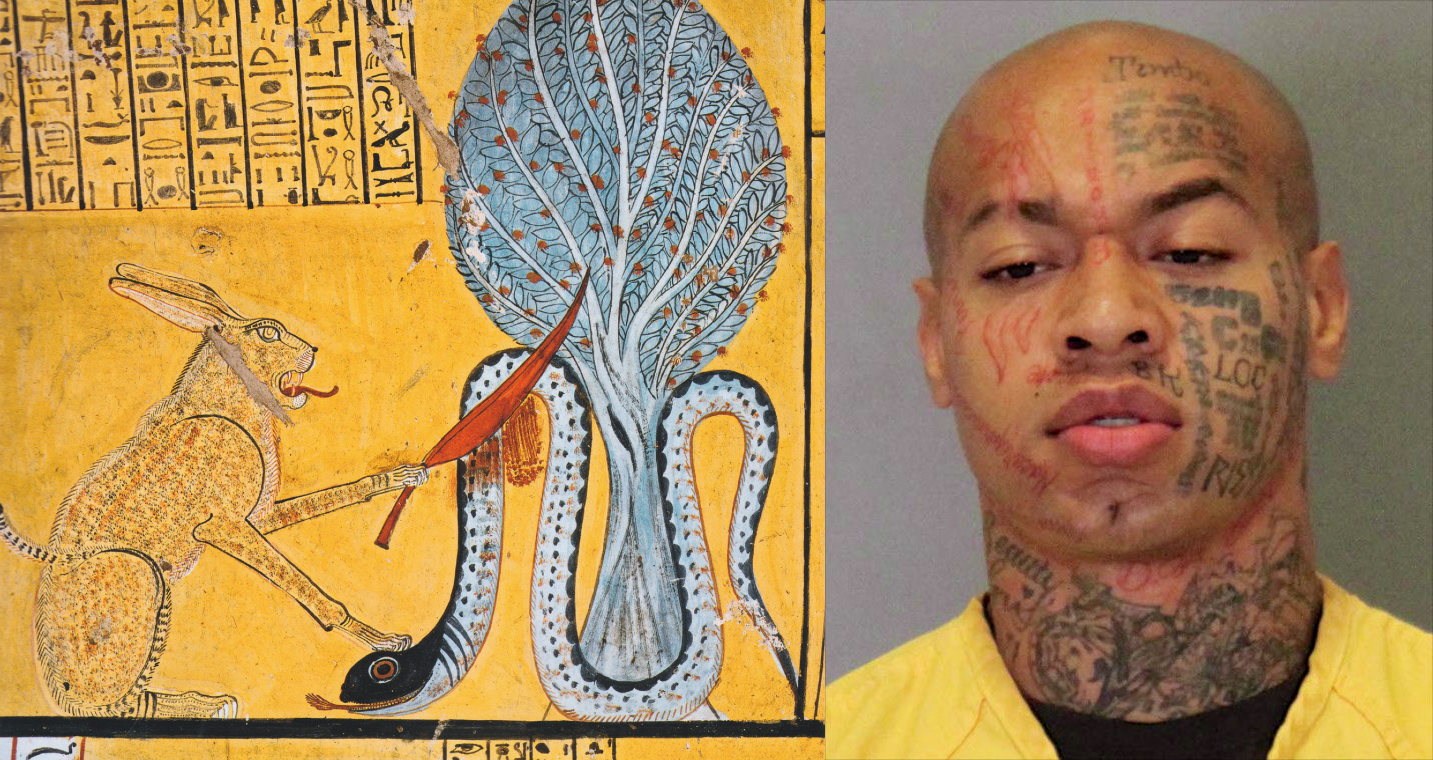
OMAHA, NEBRASKA – Nikko Jenkins, the American spree killer who captivated and disturbed international audiences with his claims of acting under the command of an ancient Egyptian god, remains on death row in Nebraska for the 2013 murders of four individuals. Jenkins’ case continues to highlight the complex intersection of extreme violence, alleged mental illness, and the legal system.
Jenkins’ horrific crime spree unfolded in August 2013, mere weeks after his release from prison. His victims included Juan Uribe-Pena, Jorge C. Cajiga-Ruiz, Curtis Bradford, and Andrea Kruger. Each victim was brutally murdered, shot in the head, and some subjected to further violence.
A central, and chilling, aspect of the case was Jenkins’ consistent assertion that he committed these “sacrifices” on the orders of Apophis, the ancient Egyptian deity of chaos and darkness.
Throughout his interrogations and trial, Jenkins maintained he was protecting Apophis’s kingdom with “animalistic savage brutality.” His courtroom demeanor was often erratic, marked by speaking in tongues, howling, and laughter, which prosecutors largely viewed as attempts to feign mental incompetence.
Despite these bizarre displays and a long history of mental health issues and behavioral problems dating back to his childhood incarcerations, Jenkins was ultimately found competent to stand trial. This legal determination allowed the proceedings to move forward, leading to his conviction for all four murders. In May 2017, a three-judge panel sentenced him to death.
The case has fueled significant debate surrounding mental illness and criminal responsibility, particularly in the context of the death penalty. While Jenkins’ defense highlighted his troubled past and psychological state, arguing against capital punishment, the courts upheld his conviction and sentence.
Adding another layer of complexity, Jenkins has, at times, expressed a desire for his execution to proceed, even filing motions to waive appeals. This stance further complicates the legal and ethical considerations surrounding his incarceration.
The Nikko Jenkins case stands as a stark example of extreme violence, drawing widespread attention from true crime outlets, documentaries, and news organizations globally. It continues to serve as a point of reference in discussions about criminal justice, mental health, and the ultimate penalty. Jenkins remains incarcerated on Nebraska’s death row, with his future legal trajectory subject to ongoing appeals processes.