Dehradun: In a move that has drawn both support and criticism, the Uttarakhand government has passed a new and more stringent anti-conversion law. The Uttarakhand Freedom of Religion (Amendment) Act, 2025, significantly tightens existing legislation, making unlawful religious conversions a more serious offense with harsher punishments and a broader scope.
The new law, an amendment to the 2018 Act, introduces several key provisions that have caught the attention of legal experts and human rights organizations.
Key Sections and Provisions of the Act:
Expanded Definition of “Allurement”: The law significantly broadens the definition of “allurement.” It now includes “any gift, gratification, easy money or material benefit, whether in cash or kind, employment, or by invoking divine displeasure.” It also considers “propaganda on social or digital media” to be a form of inducement. This includes acts like “glorifying one religion as against another” or “portraying the practices of any religion in a prejudicial manner.”
Harsher Punishments: The new act increases the minimum and maximum jail terms for illegal conversions. For a general violation, the punishment ranges from three to ten years. In cases involving minors, women, or persons from Scheduled Castes (SC) or Scheduled Tribes (ST), the sentence is even more severe, ranging from five to fourteen years. The most stringent punishment, a jail term of 20 years to life imprisonment, applies to conversions using force, threat, human trafficking, or the promise of marriage.
Cognizable and Non-Bailable Offense: All offenses under the Act are now classified as “cognizable and non-bailable.” This empowers police to arrest a person without a warrant. Additionally, bail can only be granted by the court if it is convinced that the accused is not guilty and will not repeat the offense. The burden of proof to demonstrate that a conversion was not forced lies with the accused.
Prohibition of Digital “Propaganda”: In a first-of-its-kind move, the law explicitly criminalizes the use of social media, messaging apps, and other online platforms for “promoting or inciting conversion.”
Property Seizure: The Act grants the District Magistrate the authority to confiscate properties “acquired from a crime related to religious conversion.” The accused person must then prove the legitimate ownership of the seized property.
Victim Protection: The law includes provisions for the protection, rehabilitation, and financial support of victims of forced conversions. This includes free legal aid, accommodation, and medical facilities, with their identities kept confidential.
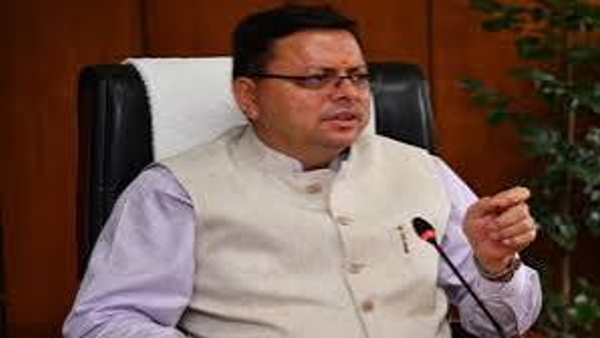
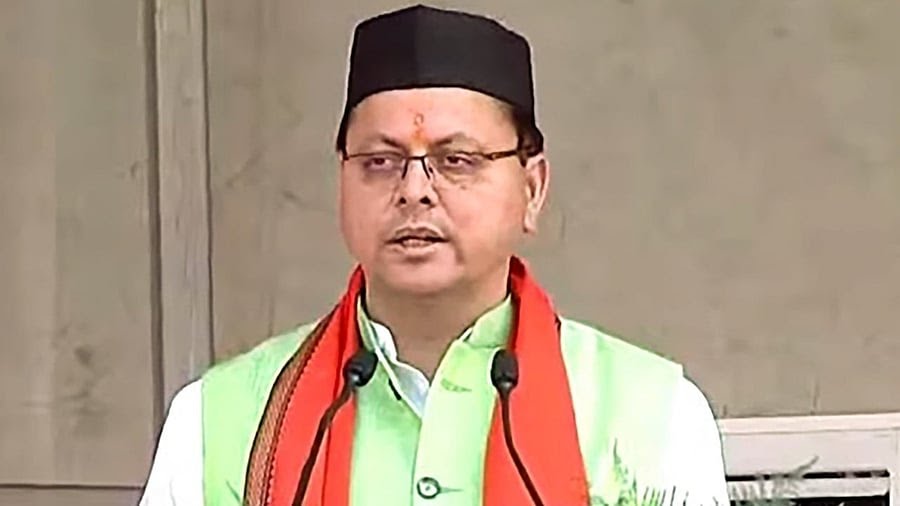
The state government, led by Chief Minister Pushkar Singh Dhami, has stated that the law is aimed at protecting the religious rights of its citizens and preventing conversions through fraud, inducement, or coercion, thereby maintaining social harmony. Critics, however, argue that the law is overly broad, vague, and could be misused to target religious minorities and criminalize their religious practices, thereby violating fundamental constitutional rights.