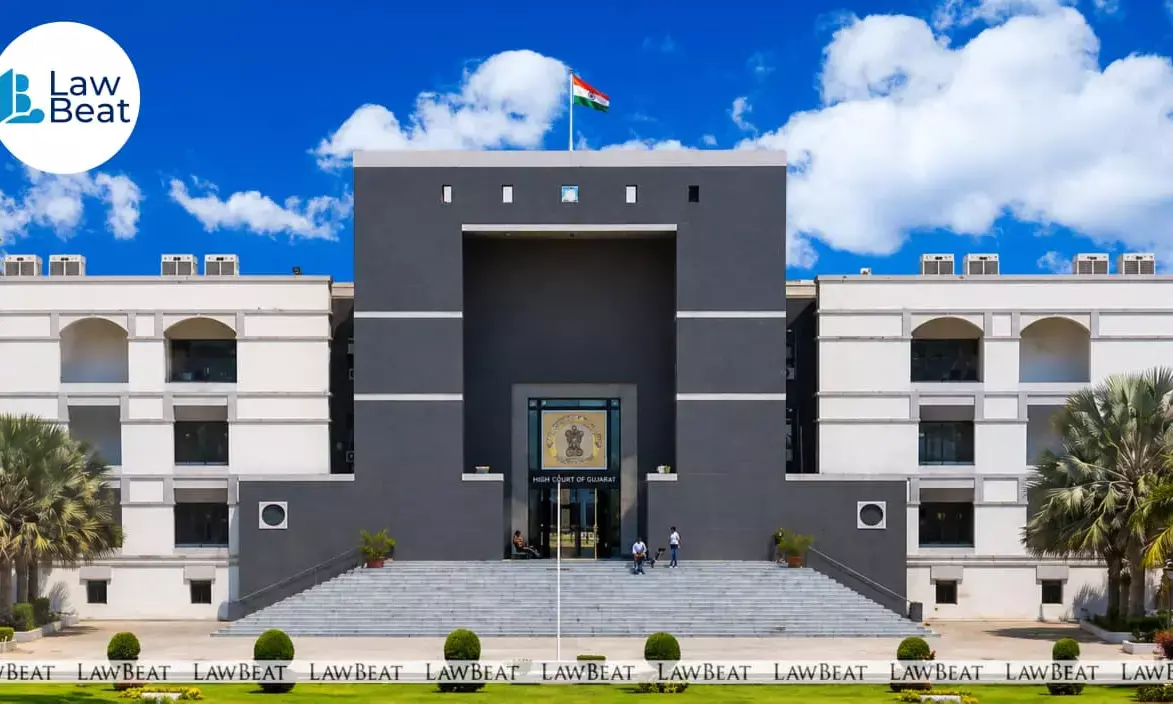
AHMEDABAD: In one of the most significant judgments in India’s terrorism-related cases, the Gujarat High Court has upheld the death sentences awarded to 38 convicts and confirmed life imprisonment for 11 others in connection with the 2008 Ahmedabad serial bomb blasts, which killed 56 people and injured more than 200.
A Division Bench comprising Justice A.Y. Kogje and Justice Sameer J. Dave dismissed the appeals filed by the convicts and affirmed the verdict delivered by the special trial court in February 2022. The judgment is among the rare instances in Indian judicial history where such a large number of death sentences have been confirmed in a single case.
Among those whose death sentences have been upheld are three men from Kerala:
- Sheebili (41) of Erattupetta, Kottayam district.
- Shaduli (49), Sheebili’s brother, also from Erattupetta.
- Sharafudheen (51) of Peruvallur in Malappuram district.
The High Court also upheld the life imprisonment awarded to 11 convicts, including Mohammed Ansar, a native of Uliyannoor in Aluva, Kerala.
The convicts are currently lodged in different prisons across India. Defence lawyers have announced that they will challenge the High Court verdict before the Supreme Court.
The 2008 Ahmedabad Serial Blasts
On July 26, 2008, Ahmedabad witnessed one of the deadliest terrorist attacks in the country’s history. Between 6:45 p.m. and 8:00 p.m., 21 coordinated bomb explosions ripped through crowded public places across the city within about 70 minutes.
The explosions targeted high-footfall locations, including:
- Ahmedabad Civil Hospital
- L.G. Hospital
- Public buses
- Busy marketplaces
- Parked bicycles and vehicles
- Residential and commercial areas
According to the prosecution, the bombs were deliberately timed so that explosions at hospitals would kill and injure people who had gathered after the earlier blasts.
The coordinated attack claimed 56 lives and left over 200 people injured, many of them permanently disabled.
Investigation and Charges
The investigation was carried out by the Gujarat Police, with assistance from central intelligence and anti-terror agencies. Investigators concluded that the attacks were orchestrated by operatives of the banned Students Islamic Movement of India (SIMI), who had allegedly regrouped under the banner of the Indian Mujahideen (IM) after SIMI was outlawed by the Government of India.
According to the prosecution, members of the conspiracy assembled explosive devices using ammonium nitrate and other materials, planted them across Ahmedabad, and executed a meticulously planned terror operation intended to cause maximum civilian casualties.
The charge sheet also alleged that a secret SIMI training camp held at Vagamon in Kerala in December 2007 played a crucial role in planning the conspiracy. Investigators claimed that several accused attended the camp, where the plot for the Ahmedabad blasts was discussed and operational strategies were formulated.
Trial and Verdict
The case became one of India’s largest terrorism trials.
- More than 1,100 witnesses were examined during the trial.
- Thousands of documents and forensic exhibits were presented before the court.
- Investigators relied on forensic evidence, electronic records, witness testimonies and recovered materials to establish the conspiracy.
On February 18, 2022, the Special Court in Ahmedabad convicted 49 accused and sentenced:
- 38 convicts to death, describing the case as falling within the “rarest of rare” category.
- 11 convicts to life imprisonment.
The convicts challenged the verdict before the Gujarat High Court.
High Court Judgment
After hearing the appeals, the Gujarat High Court upheld the Special Court’s findings and confirmed both the death and life sentences.
The Division Bench held that the prosecution had proved the existence of a larger terror conspiracy and found no reason to interfere with the trial court’s conclusions regarding the convictions or the sentences imposed.
Case Timeline
December 2007 – Investigators allege a clandestine SIMI meeting was held at Vagamon, Kerala, where the Ahmedabad bombing conspiracy was planned.
July 26, 2008 – Twenty-one serial bomb blasts strike Ahmedabad within about 70 minutes, killing 56 people and injuring more than 200.
2008–2009 – Gujarat Police and central agencies investigate the attack, arrest multiple suspects and file an extensive charge sheet alleging the involvement of SIMI and Indian Mujahideen operatives.
February 18, 2022 – The Special Court convicts 49 accused, awarding death sentences to 38 and life imprisonment to 11.
July 2026 – The Gujarat High Court dismisses the convicts’ appeals and upholds the sentences awarded by the Special Court.
Next Legal Step
Under Indian law, the confirmation of a death sentence by a High Court does not make the execution immediate. The convicts have the legal right to challenge the judgment before the Supreme Court of India. If the Supreme Court also upholds the death penalty, they may subsequently seek review and curative petitions, followed by mercy petitions before the constitutional authorities as provided under the law.
The defence counsel has confirmed that an appeal against the Gujarat High Court’s judgment will be filed before the Supreme Court.