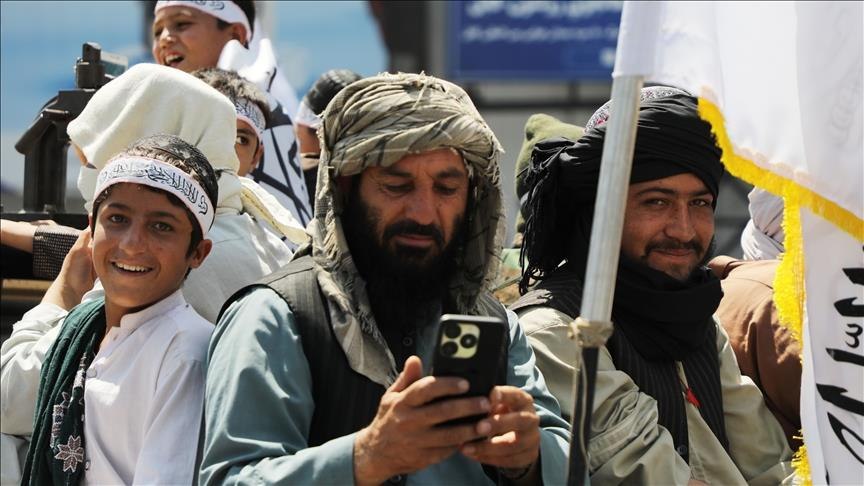
KABUL :Afghanistan was plunged into its most severe communications blackout in four years on Monday after Taliban authorities reportedly ordered a nationwide cut of fibre-optic internet services, citing a crackdown on what they describe as “immorality” and “vice.”
This is the first countrywide communications shutdown of this scale since the Taliban’s return to power in August 2021.
Connectivity Collapse
Internet-access watchdog NetBlocks confirmed that live network metrics showed national connectivity had collapsed to just 14% of normal levels, describing it as a “near-total nationwide telecoms disruption.” The outage extends across all major population centers and rural provinces.
Root Cause of the Ban
The disruption stems from a decree by Taliban supreme leader Hibatullah Akhundzada, which earlier banned fibre-optic internet in several provinces as a measure to “prevent immoral activities.” What began as a localized prohibition has now been expanded nationwide, effectively cutting off millions of Afghans from the global web.
Impact on Daily Life
The blackout has had devastating consequences for Afghanistan’s 40 million citizens:
- Communication Freeze: News agencies including The Associated Press (AP) and Agence France-Presse (AFP) reported losing contact with their Kabul bureaus, while ordinary Afghans are unable to call relatives abroad or even within the country due to overlapping disruptions to broadband and telephone networks.
- Women and Girls: For Afghan women and girls—already banned from classrooms and universities—the internet had remained a lifeline for education and outside contact. The shutdown has severed that last avenue.
- Economic Paralysis: Banking, customs, e-commerce, and logistics operations reliant on digital systems have ground to a halt, further worsening the nation’s fragile economy.
Taliban’s Position
While the Taliban administration has not issued a formal confirmation of the nationwide blackout, regional spokesmen previously defended the ban, saying it was necessary to prevent “vice” and promising that “alternative options” would be introduced. Critics argue the Taliban themselves remain heavy users of encrypted messaging apps and social media for propaganda and internal coordination, highlighting a double standard.
International Reactions
Human rights groups and media watchdogs condemned the move as a direct attack on freedom of expression. Analysts warn it represents the Taliban’s most aggressive attempt yet to isolate Afghans from the outside world and tighten control over information.
With the blackout still in force, millions in Afghanistan remain cut off, voiceless, and invisible, as the international community scrambles to assess the humanitarian fallout of this sweeping communications ban.