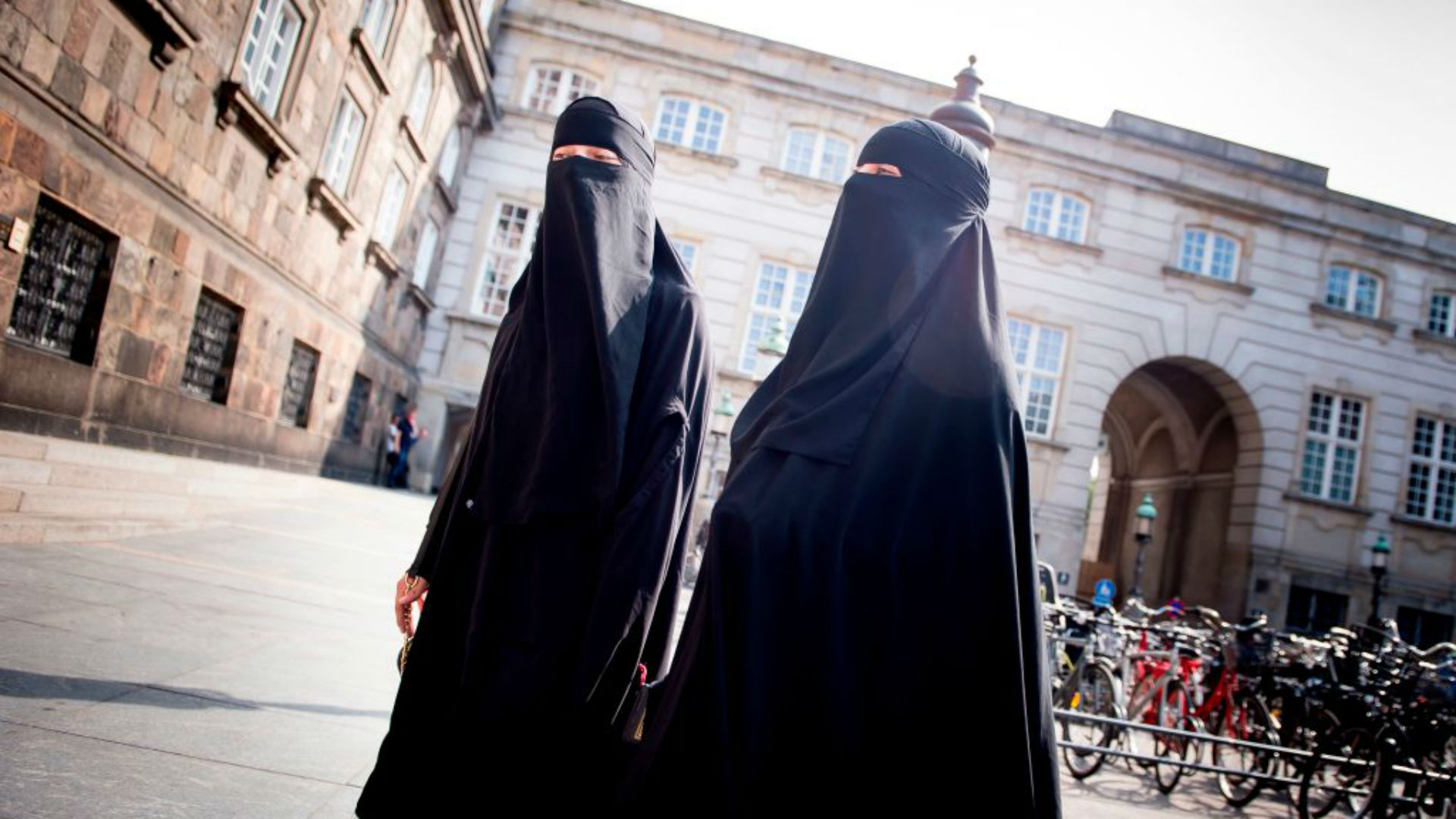
Rome, October 2025 — The Italian government has taken a firm stance against what it calls “Islamic separatism”, with Prime Minister Giorgia Meloni’s administration introducing a sweeping new bill that bans full-face Islamic veils in public spaces and imposes tighter controls on foreign funding for religious organizations.
What the New Bill Proposes
The proposed law, championed by Meloni’s Brothers of Italy (Fratelli d’Italia) party, aims to preserve what it terms “national identity and public security”.
Key provisions include:
- Full-face veil ban: Wearing of the burqa or niqab will be prohibited in all public places — including schools, offices, hospitals, and shops.
- Fines: Individuals violating the rule could face fines ranging from €300 to €3,000.
- Religious funding transparency: Unrecognized religious groups (including most Muslim associations) must disclose all funding sources, particularly from abroad.
- New criminal offenses: The bill introduces stricter penalties for forced marriages, virginity testing, and religious coercion.
Supporters argue the move protects women’s dignity and strengthens integration within Italian society.
Regional Precedents and Local Actions
Before the national proposal, Lombardy, a northern Italian region, had already implemented restrictions on face coverings in public buildings and schools.
Additionally, the Lega Party earlier submitted a similar bill suggesting not only fines but also citizenship denial for individuals compelling women to wear such garments.
Motivations and Concerns
Government officials describe the bill as a measure against “Islamic separatism”, claiming some communities form “parallel societies” with cultural practices that conflict with Italian law.
They also highlight security reasons, asserting that facial concealment can hinder public identification and surveillance.
Furthermore, foreign financial influence over certain religious organizations is viewed as a national security issue.
Criticism and Public Reactions
Critics, including civil rights groups and Muslim community leaders, have denounced the bill as discriminatory and unconstitutional, arguing that it violates freedom of religion.
They warn it could worsen social divisions, marginalize Muslims, and increase Islamophobia.
Some Islamic representatives say Italy’s existing laws already address face-covering issues for identification, making a new ban unnecessary.
Legal experts predict potential constitutional challenges, noting that while European courts have previously upheld similar bans (in France and Belgium), each law must balance security with fundamental rights.
Islam and Muslim Life in Italy
Italy’s Muslim population—estimated between 2 to 3 million—consists mainly of immigrants and their descendants.
Many Muslim associations lack formal state recognition, which limits their access to funding and legal protections. In several regions, Muslims hold prayers in improvised “garage mosques” or rented cultural halls due to the absence of official mosques.
Foreign donations play a key role in supporting these institutions — one reason why the new bill demands strict funding transparency.
Implications of the Bill
If enacted, the law will:
- Restrict Muslim women from wearing burqa or niqab in public.
- Force religious organizations to restructure and report finances.
- Possibly increase legal disputes and social tensions.
- Align Italy with other European countries enforcing similar secular policies.
Politically, the measure strengthens the right-wing coalition’s image of protecting “Italian values” while sparking debate about the balance between security and religious freedom.
Current Status and Outlook
The draft bill has been formally submitted to parliament. Given that Meloni’s coalition holds a comfortable majority, it is likely to pass in the coming months.
However, the final version may face amendments and later judicial review from Italy’s Constitutional Court or the European Court of Human Rights.
Observers expect Italy’s move to echo across Europe, influencing future debates on secularism and minority rights.
References
- Reuters – New Italian Bill Targets Islamic Face Coverings and Religious Funding
- Financial Times – Italian MPs from Meloni’s Party Call for Ban on Islamic Face Coverings
- The Sun – Italy to Ban Burka & Virginity Testing as Meloni Battles ‘Islamic Separatism’
- Firstpost – Why Italy Wants to Ban Islamic Face Coverings
- ANSA – League Files Bill to Ban Veil in Public Places