KINGSTON, Jamaica — Hurricane Melissa, a record-shattering Category 5 storm, slammed into Jamaica on Tuesday, unleashing catastrophic winds, torrential rains, and life-threatening storm surges that have caused widespread destruction across the island nation. Officials described it as one of the strongest Atlantic hurricanes in recorded history — and the most powerful storm ever to hit Jamaica since record-keeping began 174 years ago.
Widespread Damage Across the Island
The eye of the hurricane made landfall along Jamaica’s southwestern coast, near St. Elizabeth Parish, packing sustained winds of 185 mph (295 kph) and gusts exceeding 200 mph (320 kph). The impact was immediate and devastating:
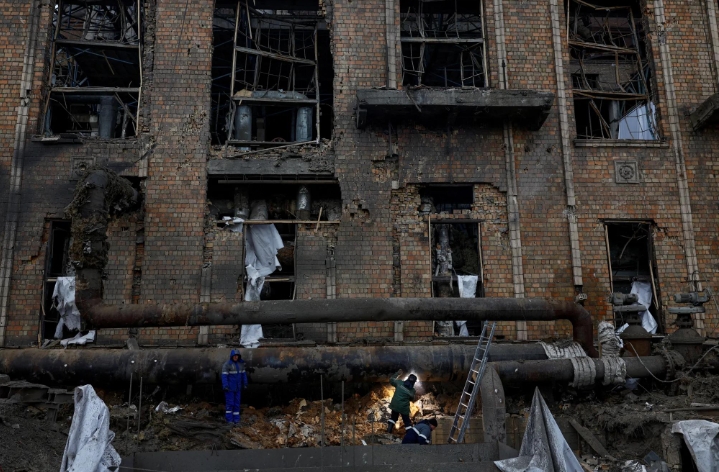
- Infrastructure Collapse: Major damage has been reported to highways, bridges, ports, and communication networks. Authorities say nearly every parish has been affected, with parts of the national grid destroyed.
- Residential and Commercial Losses: Thousands of homes and businesses have been severely damaged or flattened. Roofs were torn from houses, schools, and government buildings, while coastal towns saw entire neighborhoods inundated.
- Severe Flooding and Landslides: Flash flooding swept through low-lying communities, with St. Elizabeth described by officials as being “completely under water.” Landslides have isolated several rural areas, blocking main roads and hindering rescue efforts.
- Power and Communications Outages: The Jamaica Public Service Company reported that more than 530,000 customers — roughly 77% of the island — are without power. Cellular and internet networks remain disrupted in several regions.
- Hospitals Hit: Several medical facilities, including Black River Hospital, sustained major roof and water damage. Emergency services were forced to evacuate patients as backup generators failed amid the storm.
Official Response and National Emergency
Prime Minister Andrew Holness declared Jamaica a national disaster area, mobilizing the Jamaica Defence Force and emergency management teams to begin immediate rescue and relief operations once conditions allow.
“This is a national catastrophe,” Holness said in an emergency briefing. “We are confronting the full force of nature, and recovery will take time and unity.”
The Office of Disaster Preparedness and Emergency Management (ODPEM) confirmed that early assessments remain incomplete due to impassable roads and ongoing high winds in some regions. Relief convoys and air reconnaissance missions are being organized to reach the most affected zones.
Casualties and Humanitarian Impact
Initial reports suggested no confirmed fatalities at the time of landfall, but as the storm progressed, at least seven deaths have been reported across the Caribbean. These include three in Jamaica, three in Haiti, and one in the Dominican Republic.
Thousands of residents are displaced, with over 15,000 people seeking refuge in government storm shelters before the hurricane’s arrival. Emergency services continue to prioritize search-and-rescue operations and distribution of food, water, and medical supplies.
A Record-Breaking Storm
Meteorologists have labeled Hurricane Melissa a “historic and unprecedented event.” Its rapid intensification — jumping from Category 2 to Category 5 within 36 hours — stunned forecasters. With a central pressure of 905 millibars, the storm tied records for the lowest pressure ever recorded in the Atlantic basin at landfall.
Experts say the storm’s exceptional strength was fueled by record-high sea surface temperatures in the Caribbean, part of a broader trend of intensifying tropical cyclones linked to climate change.
“The scale of damage in Jamaica could rival that of Hurricane Dorian in the Bahamas (2019) or Hurricane Gilbert (1988),” said Dr. Marlon Edwards, a climate scientist at the University of the West Indies.
Looking Ahead: Cuba and the Bahamas on High Alert
As of early Wednesday, Hurricane Melissa was moving northwest toward Cuba and the Bahamas, where it is expected to remain an “extremely dangerous major hurricane” through Thursday. Authorities in both countries have issued evacuation orders, with the U.S. National Hurricane Center (NHC) warning of “devastating impacts” if the storm maintains its intensity.
In Jamaica, search and rescue operations will intensify once weather conditions improve, but officials warn that full recovery could take months, if not longer. International aid organizations, including the Red Cross, UN Office for Disaster Risk Reduction, and Caribbean Disaster Emergency Management Agency (CDEMA), are preparing to deploy relief teams and supplies.
Hurricane Melissa’s strike on Jamaica marks a grim new chapter in the island’s disaster history. The storm’s record-setting winds, storm surge, and rainfall have crippled infrastructure, displaced thousands, and left a nation reeling. As Jamaica begins to emerge from the ruins, the global community watches closely — both in solidarity and as a stark reminder of the increasing ferocity of the world’s changing climate.