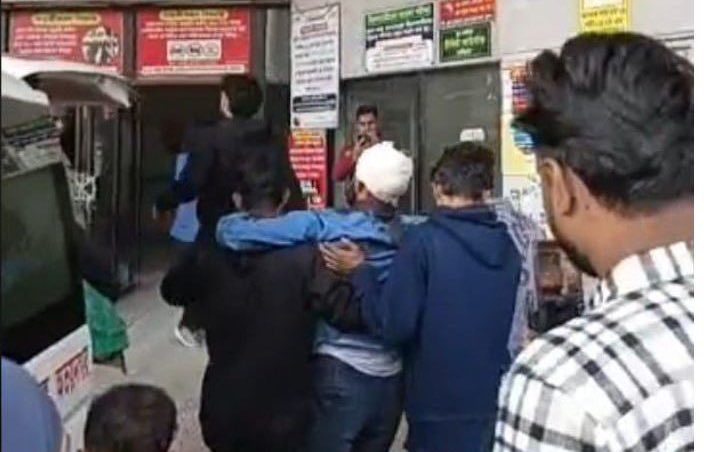
Dhaka / Khulna, Dec 22, 2025 — Bangladesh has witnessed a fresh outbreak of political violence after Motaleb Shikdar, a prominent student-linked political leader, was shot in the head on Monday in the southwestern city of Khulna, just days after the country was shaken by the assassination of youth activist Sharif Osman Hadi.
According to police and local party sources, unidentified gunmen opened fire at Shikdar around noon in Sonadanga, targeting him in broad daylight. Shikdar, who serves as the Khulna divisional chief and central organiser of the National Citizen Party’s (NCP) labour wing “Jatiya Sramik Shakti”, was rushed to Khulna Medical College Hospital in critical condition. Initial reports said the bullet struck his head and he was bleeding heavily upon arrival.
Hospital officials later reported that the bullet grazed his skull, and although he was initially in serious condition, his life is now reported to be out of danger after treatment.
The shooting has shocked the nation and deepened concerns over escalating violence targeting political figures, especially those associated with the student-led movements that have roiled Bangladesh’s political landscape. Shikdar was a key organiser in protests linked to the 2024 student uprising that contributed to major changes in national politics, including the ouster of former Prime Minister Sheikh Hasina.
This incident comes only days after another high-profile attack: on December 12, Sharif Osman Hadi, a well-known youth leader and spokesperson for the Inqilab Mancha (Platform for Revolution), was shot in the head by masked assailants during an election campaign event in Dhaka. Hadi, a central figure in the mass protests over the past year, was flown to Singapore for medical care but succumbed to his injuries on December 18.
Hadi’s death ignited widespread unrest and protests across Bangladesh, with demonstrators taking to the streets in Dhaka and other cities, demanding justice and expressing frustration with the interim government’s inability to maintain security.
The successive shootings of high-profile leaders have intensified fears of political instability ahead of the February 2026 national elections, underscoring a volatile environment where political violence and public anger continue to fuel tensions nationwide.