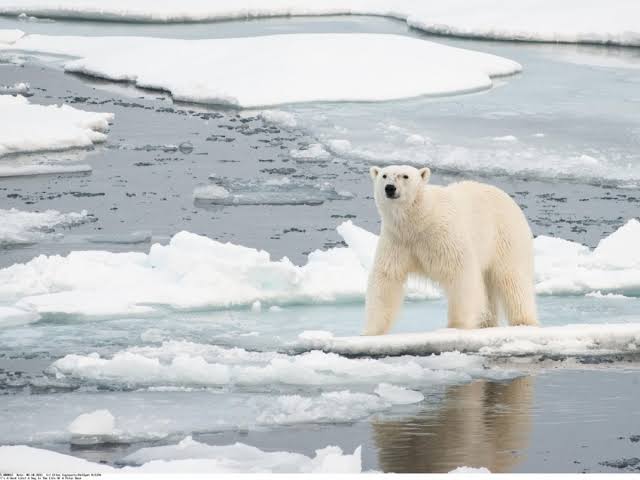
A new report from World Weather Attribution reveals that Greenland’s ice sheet melted at a rate 17 times faster than usual during an unprecedented May heatwave — a stark consequence of accelerating global warming. The abnormal rise in temperatures also led to Iceland recording its seven hottest May days on record, with both regions experiencing severe environmental impacts, from glacial melt to infrastructure damage.
In a startling example of climate change impacts reaching even the coldest parts of the planet, Greenland’s ice sheet experienced an extreme melt event during May 2025. According to a report from World Weather Attribution, this rapid ice melt occurred at a pace 17 times faster than normal, driven by a rare and intense heatwave that swept across the region.
Typically known for its harsh, cold climate, parts of Greenland, particularly in Ilulissat, saw massive icebergs from the Jakobshavn Glacier melting under unusually sunny summer evenings. This melt is contributing to rising sea levels and poses a direct threat to infrastructure and ecosystems both locally and globally.
The heatwave also severely affected Iceland, where the capital Reykjavík and the eastern town of Egilsstaðir recorded record-breaking temperatures. Egilsstaðir Airport, for instance, logged a temperature of 26.6°C — the highest ever recorded in May for that region. In Greenland, the Ittoqqortoormiit weather station registered 14.3°C on May 19, a staggering 13°C above the average daily temperature for the month.
These conditions are not just anomalous — they are dangerous. Scientists warn that extreme heatwaves in polar regions can trigger catastrophic consequences, such as flooding, infrastructure failure, and loss of sea ice. As per the report, this particular heatwave arrived earlier than usual and lasted longer, amplifying its impact.
Moreover, the melting of ice sheets threatens the livelihood and food security of local communities who depend on fishing, hunting, and traditional travel routes. Marine biodiversity is also under threat, with fish species such as halibut and prawns migrating northwards due to warming sea temperatures and disrupted ocean currents.
The heatwave was partially driven by a persistent high-pressure system near the Faroe Islands and a low-pressure zone south of Cape Farewell in southern Greenland. This atmospheric setup funneled warm air from the south into the region, intensifying the heatwave’s effect.
the report highlights how climate change is no longer a distant concern but an active, accelerating force reshaping the world — from the Arctic to the Atlantic.