MANGALURU, INDIA – In a significant development in the ongoing investigation into the Dharmasthala mass burial case, the Special Investigation Team (SIT) has recovered over 100 skeletal remains from two separate sites, marking a crucial breakthrough in a case that has captivated and horrified the state of Karnataka.
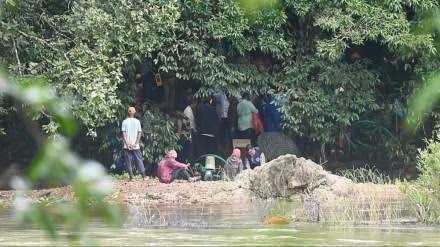
The remains, which include a skull and various bones, were exhumed from sites 6 and 11-A, identified by a former sanitation worker who has become a key witness in the case. The witness alleges he was coerced into burying the bodies of over a hundred people, many of them women and minors, between 1998 and 2014. The discovery of a knotted sari at one of the sites has further deepened the mystery.
According to SIT sources, the recovered bones and other evidence have been sent to the Forensic Science Laboratory (FSL) for detailed analysis. Forensic experts will work to determine the age, gender, and cause of death of the individuals, a process made difficult by the fact that the remains are believed to be over 16 years old.
The investigation has been fraught with challenges, including the difficult terrain and a previous admission by local police that they had destroyed records of unidentified death cases from the period in question. The SIT, however, has been working on a war footing to collect evidence and has called on the public to come forward with any information related to the case.
The exhumation and discovery of the remains have brought the long-standing allegations of murder, rape, and illegal burials in the temple town of Dharmasthala back into the spotlight. The SIT is continuing its search, with operations at two remaining sites still pending, and has stated its commitment to expanding the search area if necessary.