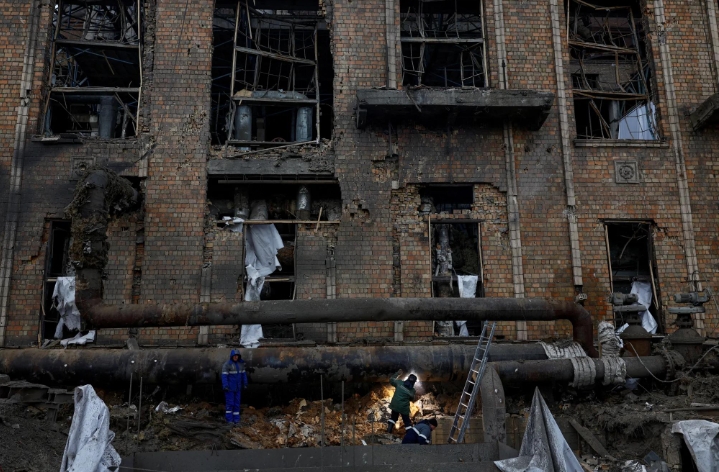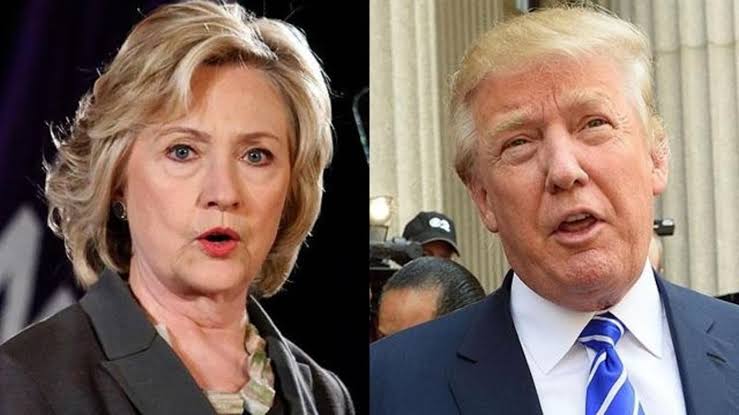
In a surprising and widely reported development, former U.S. presidential candidate and Secretary of State Hillary Clinton has offered to personally nominate her former rival, Donald Trump, for a Nobel Peace Prize. This unprecedented gesture, first revealed on a podcast, comes with a critical condition: Trump must successfully broker an end to the war in Ukraine without forcing Kyiv to cede any territory to Russia.
Clinton’s comments were made public ahead of a high-stakes, face-to-face meeting between President Trump and Russian President Vladimir Putin in Anchorage, Alaska.
Her statement, also shared on her social media, underscores her ultimate goal: to prevent “a capitulation to Putin aided and abetted by the United States.” She emphasized that a peace deal must not “validate Putin’s vision of a greater Russia” and must include a full withdrawal of Russian troops.
Trump’s Reaction and the Broader Context
Trump, who has long expressed a desire for the Nobel Peace Prize, responded to Clinton’s comments with characteristic candor. He told reporters aboard Air Force One that her remarks were “very nice” and quipped, “I may have to start liking her again.” The exchange highlights a potential, albeit fragile, alignment on a key foreign policy objective.
This isn’t the first time a Nobel nomination has been floated for Trump. He has already been nominated by several individuals and governments, including Israeli Prime Minister Benjamin Netanyahu and leaders from Pakistan and Cambodia, for his efforts in other international conflicts. The latest offer from a political foe like Clinton adds a new layer of complexity and legitimacy to the conversation.
Global Reactions and Expectations
The news has been met with a mix of surprise, skepticism, and cautious optimism around the world.
- Ukraine’s Position: Ukrainian President Volodymyr Zelenskyy has expressed hope that the meeting will lead to a “real path to honest peace.” While not directly a party to the initial Alaska talks, Ukraine is counting on the U.S. to support its sovereignty and territorial integrity. Zelenskyy has publicly stated, “It is time to end the war, and the necessary steps must be taken by Russia. We hope for America’s support.”
- Political Divisions in the U.S.: The offer from Clinton has generated a wide range of reactions within the American political landscape. Some view it as a pragmatic, if unexpected, move to encourage a favorable outcome in a critical conflict. Others, however, remain deeply skeptical of any deal brokered by Trump and are concerned about the potential for concessions to Russia, regardless of his rhetoric.
- International Diplomacy: Analysts and foreign policy experts are closely watching the Trump-Putin meeting. While many believe the Alaska talks are more of a “listening exercise” to set the stage for future negotiations, the possibility of a major breakthrough—or a major misstep—remains. Clinton’s comments serve as a clear warning about the red lines that must not be crossed for a peace deal to be considered legitimate and lasting.
The conditional nature of Clinton’s nomination is a powerful statement. It acknowledges Trump’s long-held ambition for a Nobel Prize while simultaneously setting a high bar for what constitutes a successful and honorable peace. The coming days and weeks will reveal whether Trump can meet that challenge and, in doing so, perhaps create an unlikely chapter in both his own legacy and the history of international relations.