Shivpuri, Madhya Pradesh:
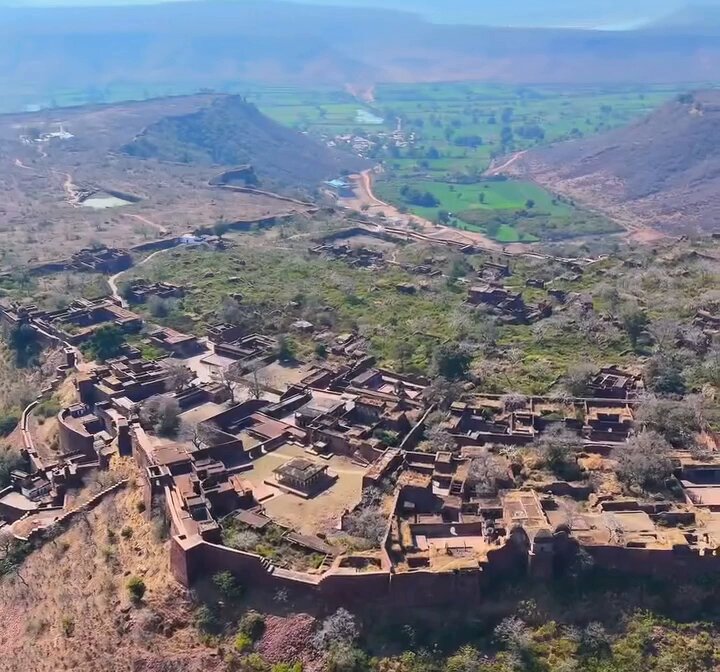
A historic cannon believed to be around 400 years old has been stolen from the Archaeological Survey of India (ASI)-protected Narwar Fort in Madhya Pradesh’s Shivpuri district, triggering a major investigation into what authorities suspect could be an organized antiquities theft.
The theft reportedly took place during the night of July 15–16 and has raised serious concerns over the security of India’s protected heritage sites. Police have registered a case and launched a multi-agency investigation.
Armed Group Behind the Theft
According to preliminary findings, a group of approximately 25 to 30 armed men entered the fort through a difficult rear approach using loading vehicles. The suspects allegedly overpowered security personnel before removing the historic cannon from the fort.
Investigators believe the operation was carefully planned and executed with specialized equipment capable of transporting an extremely heavy artifact.
Earlier Attempt Foiled
Police investigations indicate that the gang had made an earlier attempt to steal the cannon around ten days before the successful theft. During that attempt, they reportedly managed to dislodge the cannon but abandoned the operation because of its enormous weight. The suspects are believed to have returned later with additional manpower and equipment.
Rare Cannon from the Scindia Era
Officials say the stolen cannon dates back to the 16th century and is associated with the Scindia dynasty. Narwar Fort housed 14 historic cannons, one of which has now disappeared.
The cannon is believed to have been cast using a mixture of metals, including bronze and other traditional alloys, and reportedly bears Persian and Devanagari inscriptions as well as royal insignia, making it an artifact of significant historical value.
International Smuggling Angle Under Investigation
Investigators have not ruled out the involvement of an interstate or international antiquities smuggling network. Authorities note that several valuable Indian antiquities have previously been trafficked abroad, prompting investigators to examine possible links with organized heritage crime syndicates.
Police Statement
Gwalior Range Inspector General Arvind Saxena said investigators are reviewing CCTV footage from roads leading to the fort, as there are no surveillance cameras installed inside the monument.
“We have sought detailed information from the Archaeological Department and are investigating all possible angles, including links to previous thefts of historical artifacts,” Saxena said.
Karera SDOP Prashant Sharma confirmed that all possibilities, including the involvement of international smugglers, are being examined.
Archaeology Department Responds
Madhya Pradesh Archaeology Department Deputy Director Tarun Kumar Shrivastava described the theft as “extremely serious” and said officials would inspect the site to review security arrangements and assist the investigation.
Security Concerns Resurface
The latest theft has renewed concerns over the security of India’s protected monuments. A similar cannon theft was reported from Narwar Fort in 2007, while earlier this year illegal excavation by treasure hunters was also reported inside the historic fort.
Estimated Black Market Value
Although no official valuation has been issued, investigators believe rare military artifacts of this kind can command substantial prices in the international illicit antiquities market. Some Indian media reports estimate the cannon’s black-market value at between ₹20 million and ₹50 million (approximately US$230,000–580,000), though this has not been officially confirmed.
Sources:
- Archaeological Survey of India (ASI)
- Madhya Pradesh Police