KABUL – The humanitarian crisis in Afghanistan has escalated dramatically following a series of powerful earthquakes, with the official death toll now exceeding 2,200 people. The earthquakes, which struck eastern Afghanistan, have left a trail of widespread destruction, with thousands more injured and communities in desperate need of aid.
The disaster has compounded the hardship in a nation already grappling with decades of conflict, a severe economic downturn, and chronic food insecurity. The UN and international aid agencies are now in a race against time to provide relief to survivors who have been left with nothing.
A Growing Toll and Urgent Needs
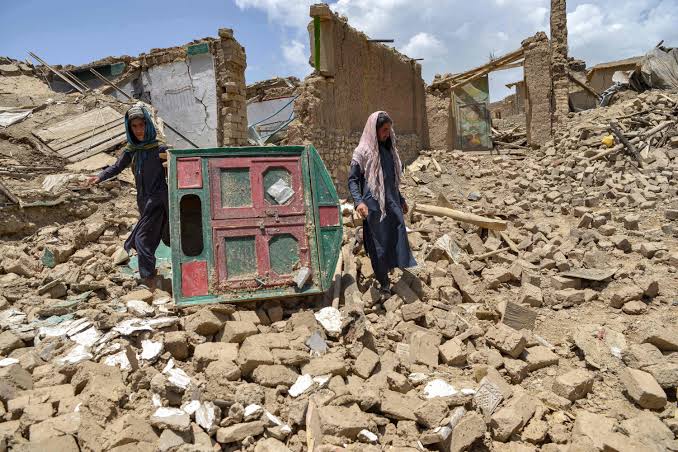
The death toll has climbed steadily as rescue teams, hampered by the difficult mountainous terrain and a series of aftershocks, have slowly reached isolated and hard-hit villages. The majority of the casualties and destruction have been reported in Kunar province, where entire villages have been reduced to rubble. Homes, mostly constructed from mud and wood, offered little resistance to the powerful tremors.
Survivors are now facing a desperate situation. Tens of thousands of people are homeless, with many forced to sleep in the open or in makeshift shelters amid the rubble. The lack of clean water, food, and basic medical supplies is pushing communities to the brink. Aid agencies on the ground have warned of a “crisis within a crisis,” as they struggle to meet the overwhelming needs with limited resources.
A Global Plea for Assistance.
The scale of the disaster has prompted a renewed appeal for international assistance. While some countries, including India and the United Arab Emirates, have sent humanitarian aid, the response from the global community has been described as insufficient. Traditional donors, including the United States, have largely remained on the sidelines, a reflection of the political complexities surrounding the Taliban’s rule.
Aid organizations are pleading for urgent funding to provide life-saving assistance. They are not only dealing with the immediate aftermath of the earthquake but also a broader, ongoing humanitarian crisis in the country. The UN has warned that its humanitarian appeal for Afghanistan is severely underfunded, making it even more difficult to respond effectively to this new disaster.
The international community’s response is a critical factor in determining the fate of thousands of Afghans. Without a swift and coordinated effort, experts fear the death toll from the aftermath of the quake—including from disease and exposure—could rival that of the initial disaster. As resilience is tested under unimaginable hardship, prayers and global assistance remain critical for the people of Afghanistan.