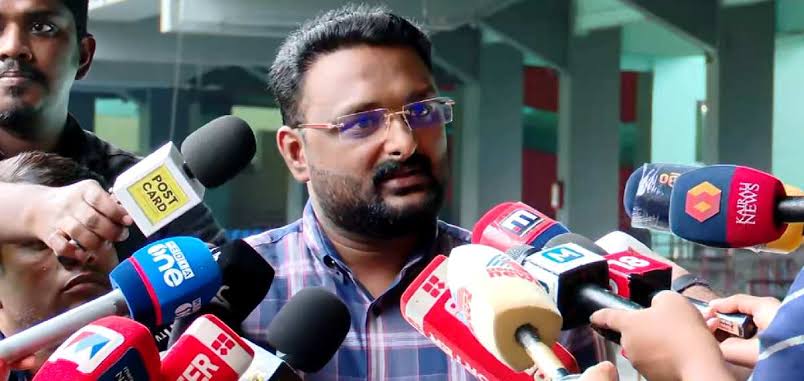
THIRUVANANTHAPURAM – In a notable shift from the previous government’s position, former Kerala Devaswom Minister Kadamppally Surendran has publicly stated that the Supreme Court’s 2018 verdict on women’s entry into the Sabarimala temple was “wrong.” Speaking at a local event, Surendran said that while the government initially respected the judgment, it later “retreated” from its stance after recognizing the strong “popular sentiment” against the ruling.
“The government, as a body that respects the law, had to accept the court’s verdict and implement it,” Surendran said. “However, it became clear that the Supreme Court’s verdict was incorrect when a powerful popular protest movement emerged. The LDF government did not try to move forward with the decision after understanding the public sentiment.”
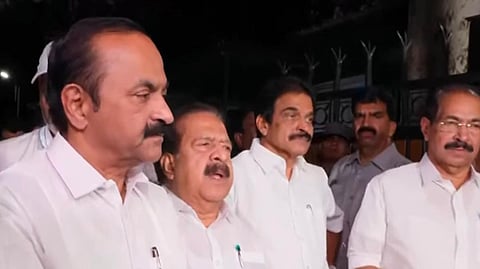
This statement marks a significant departure from the CPI(M) and the Left Democratic Front’s (LDF) firm position in 2018 and 2019, when the government was a staunch advocate for implementing the Supreme Court’s order, a move that drew widespread protests and a “hartal” (shutdown) across Kerala. The remarks are being widely interpreted as a political maneuver by the CPI(M) to regain the support of the Hindu community, which was alienated by the government’s earlier actions.
Past History and Verdict Timeline:
- 1991: The Kerala High Court upheld the traditional restriction on women aged 10-50 from entering the Sabarimala temple.
- 2006: The Indian Young Lawyers Association filed a petition in the Supreme Court to challenge the ban.
- November 2016: The LDF government, in an affidavit to the Supreme Court, reversed the stance of the previous UDF government by supporting the entry of women of all ages.
- September 28, 2018: The Supreme Court delivered a landmark 4:1 majority verdict, lifting the ban on women’s entry. The ruling declared the practice unconstitutional, citing violations of fundamental rights, including the right to equality (Article 14) and freedom of religion (Article 25).
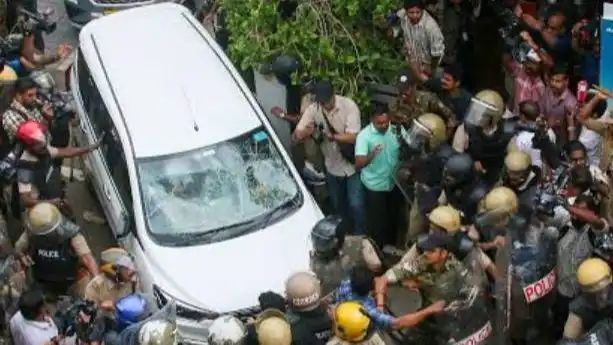
- September 2018 – January 2019: The verdict was met with massive protests led by devotee groups, political parties, and other organizations. The LDF government, led by Chief Minister Pinarayi Vijayan, vowed to implement the verdict and provided police protection to women attempting to enter the shrine.
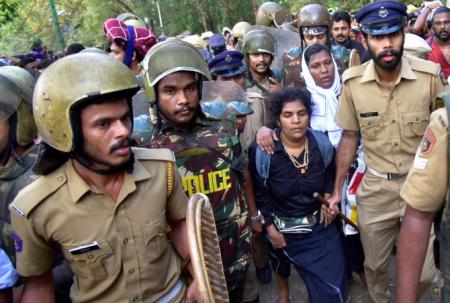
- January 2, 2019: Two women, Bindu and Kanakadurga, in their 40s, successfully entered the temple with police protection, leading to further widespread protests and a “hartal.”
- November 14, 2019: The Supreme Court referred the review petitions and related religious issues to a larger seven-judge bench. The original verdict was not stayed, but the matter has been in a state of legal limbo ever since.
Source: Multiple reports from news outlets in Kerala and India, including The Hindu, The New Indian Express, and The News Minute.
Conclusion:
Surendran’s comments reflect a strategic reassessment by the CPI(M) following the significant public backlash and political ramifications of its earlier stance. The statement acknowledges the strength of the “popular sentiment” that emerged after the verdict and suggests that the government is no longer committed to the active implementation of the 2018 ruling. The shift highlights the delicate balance between legal precedent and public opinion, particularly on matters of faith, and underscores the ongoing political sensitivity of the Sabarimala issue in Kerala.