Burari among three new protest grounds; move follows recommendations of a committee appointed by the Union Home Ministry
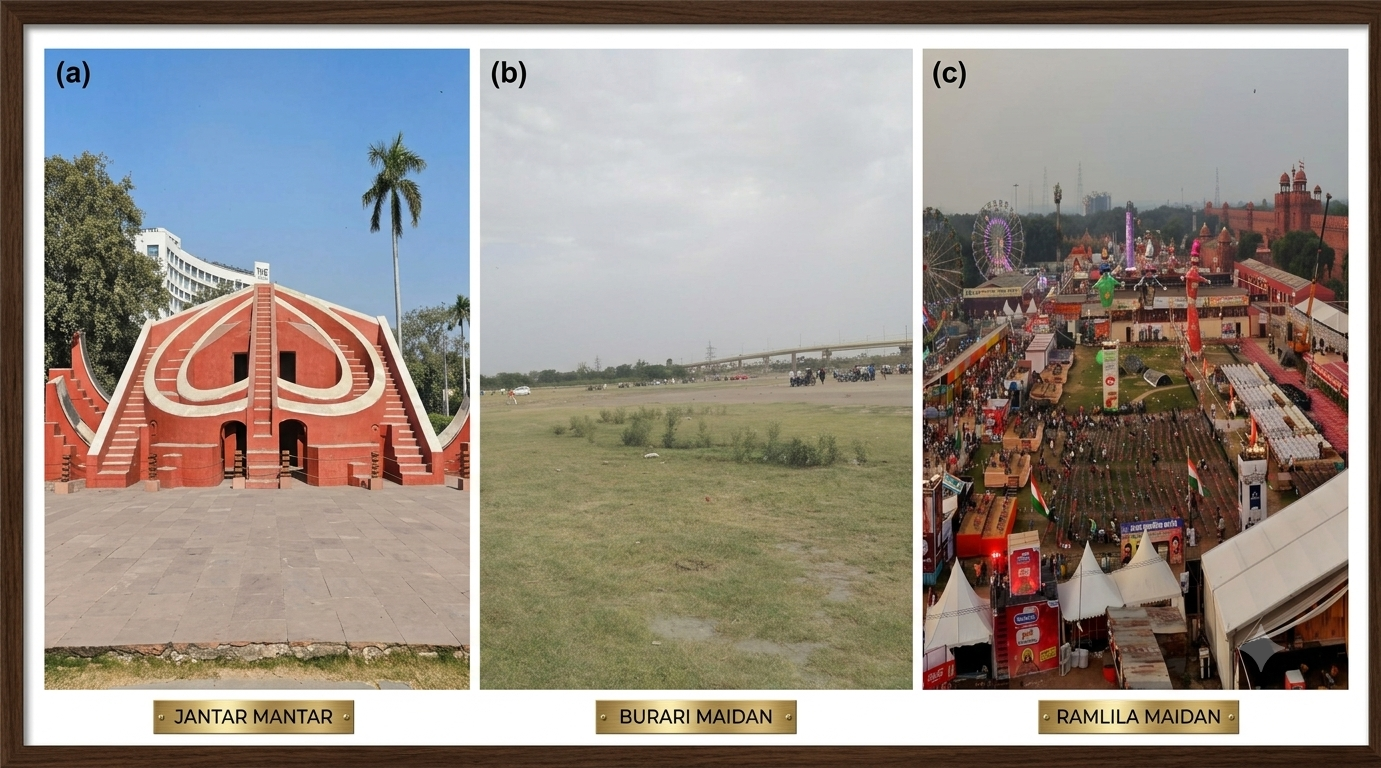
New Delhi: Delhi Police has removed Jantar Mantar, one of the national capital’s most prominent protest venues, from its list of officially designated demonstration sites. In its place, the police have designated Ramlila Maidan, Burari Maidan in north Delhi and CBD Ground in east Delhi for protests and public gatherings, according to reports in national media.
The police order was issued on October 11 and came to light on Monday. The decision marks a significant change for Jantar Mantar, which has served as a focal point for political and social demonstrations for decades because of its proximity to Parliament and key government offices.
However, the order does not amount to a blanket ban on all protests in Delhi. Instead, it changes the officially designated venues where demonstrations can be held, subject to applicable permissions and police regulations.
Three alternative venues designated
Under the new arrangement, Ramlila Maidan, Burari Maidan and CBD Ground will serve as designated venues for protests and public gatherings. Organisers will have to comply with the relevant permission requirements and security arrangements prescribed by the police.
Burari Maidan is considerably farther from Jantar Mantar, raising questions about accessibility, travel requirements and the visibility of demonstrations. The change could also affect how easily protesters can draw media attention and bring their demands before the Union government.
Delhi Police has indicated that detailed standard operating procedures (SOPs) governing protests at the new venues will be issued separately.
Decision follows protests seeking Chief Election Commissioner’s resignation
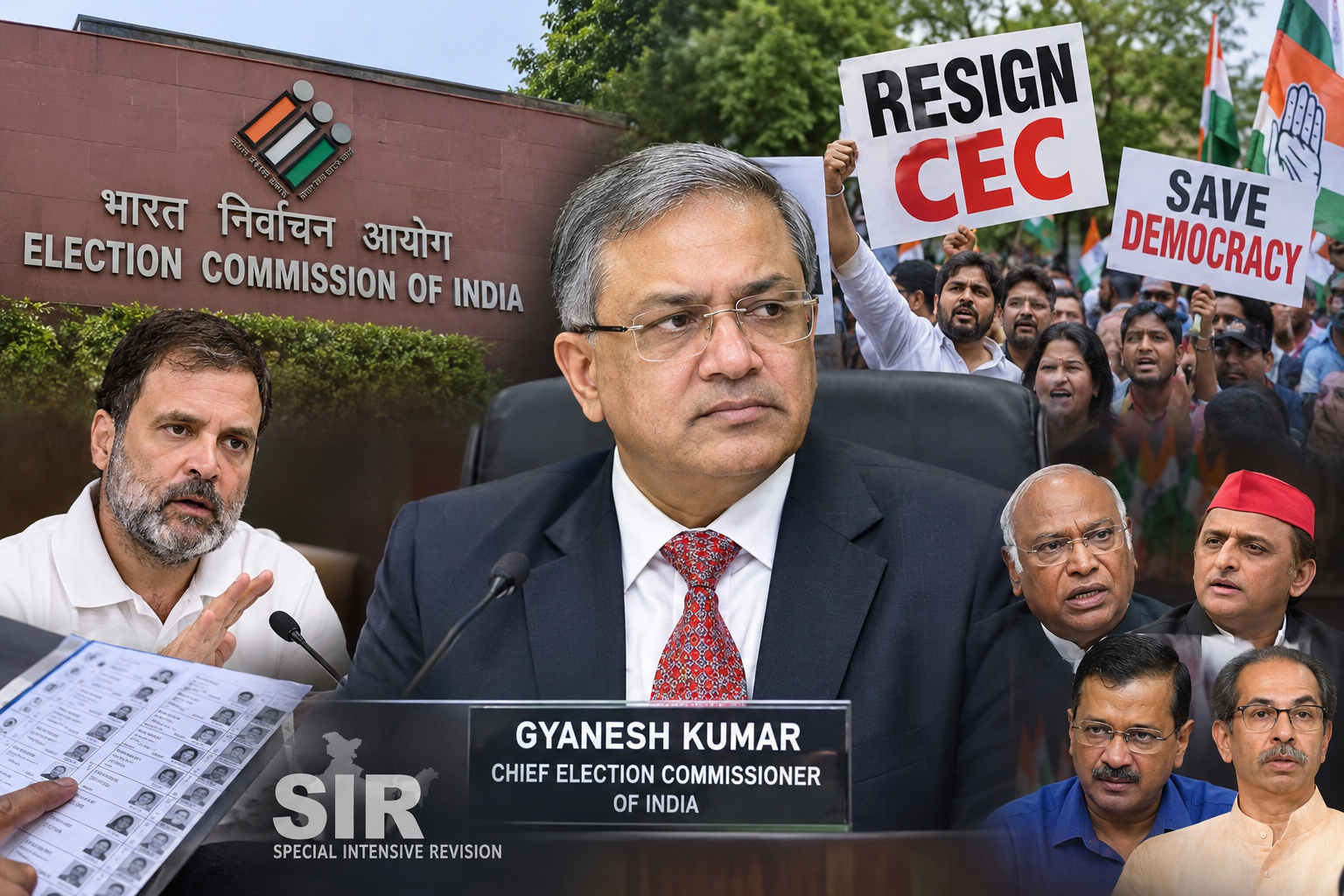
The development comes amid protests in Delhi over electoral issues. Several organisations and activists had called for demonstrations demanding the resignation of Chief Election Commissioner Gyanesh Kumar and raising allegations concerning the Special Intensive Revision (SIR) of electoral rolls.
On October 10, police reportedly stopped demonstrators attempting to gather at Jantar Mantar, with several people taken into custody. Media reports said the police action affected activists, student groups and political figures associated with the protests.
The new order followed these developments. However, there has been no official confirmation that the decision to remove Jantar Mantar from the designated list was directed specifically at these protests.
Supreme Court observations add to the debate
The issue of alternative protest venues has also drawn attention to observations by the Supreme Court concerning peaceful demonstrations and the need to provide suitable facilities for protesters.
Media reports have highlighted the importance of balancing the right to peaceful assembly with public order, safety and the smooth movement of traffic. The discussion has included the need for alternative locations where demonstrators can gather with access to essential facilities.
The Supreme Court had, in 2018, set aside a blanket prohibition on protests at Jantar Mantar and the Boat Club area. The broader legal position recognises peaceful protest as an important democratic right, while allowing reasonable restrictions in the interests of public order and safety.
Jantar Mantar’s decades-long history as a protest hub
Jantar Mantar has long been one of India’s most recognisable protest sites. Its location near Parliament has made it a preferred venue for political movements, labour organisations, farmers’ groups and campaigns seeking social justice.
Anti-corruption demonstrations, farmers’ protests and the 2023 wrestlers’ protest are among the major movements that brought national attention to the venue.
For many campaigners, the site’s proximity to Parliament and central government offices has been crucial in drawing media coverage and bringing their demands to the attention of policymakers.
The decision to remove Jantar Mantar from the official list is therefore likely to renew debate over how alternative protest venues may affect the visibility, accessibility and organisation of public demonstrations.
Protest groups raise concerns
The decision has drawn criticism from protest organisations, according to national media reports. Critics argue that moving demonstrations away from Jantar Mantar could make it more difficult for groups to attract public attention and exercise their right to express dissent.
Those supporting the change may argue that designated venues allow authorities to manage security, provide essential facilities and reduce disruption to public movement.
The practical impact of the decision will depend in part on the detailed rules governing permissions, crowd limits, timings and security arrangements at the three newly designated sites.
What happens next?
Delhi Police is expected to issue detailed operating procedures for demonstrations at the new venues. These guidelines are likely to clarify the process for obtaining permission and the conditions under which public gatherings can take place.
Until those details are available, questions remain about how the new arrangement will work in practice and whether it will significantly affect the ability of political parties, civil society organisations and activists to organise demonstrations in the national capital.
In summary: Delhi Police has removed Jantar Mantar from its list of officially designated protest venues and named Ramlila Maidan, Burari Maidan and CBD Ground as alternatives. The move does not constitute a blanket ban on protests in Delhi, but it represents a significant change in where demonstrations can officially be held.