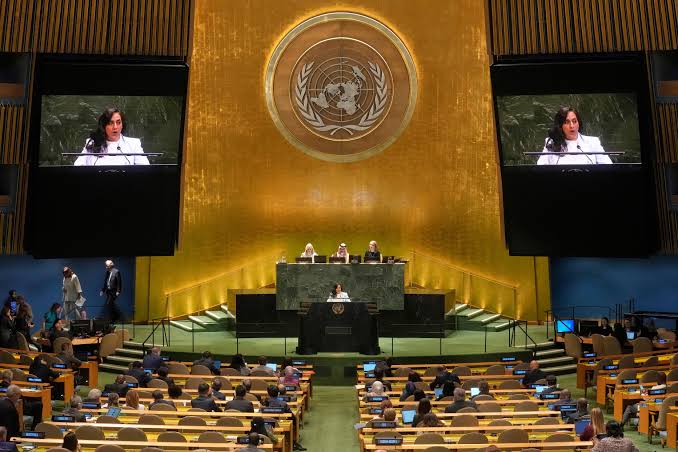
UNITED NATIONS – During the ongoing annual session of the United Nations General Assembly (UNGA), a coalition of ten nations is set to formally recognize Palestine as a state. This coordinated move, spearheaded by a group of countries from Europe, Latin America, and Asia, marks a significant diplomatic push to bolster the Palestinian position on the international stage.
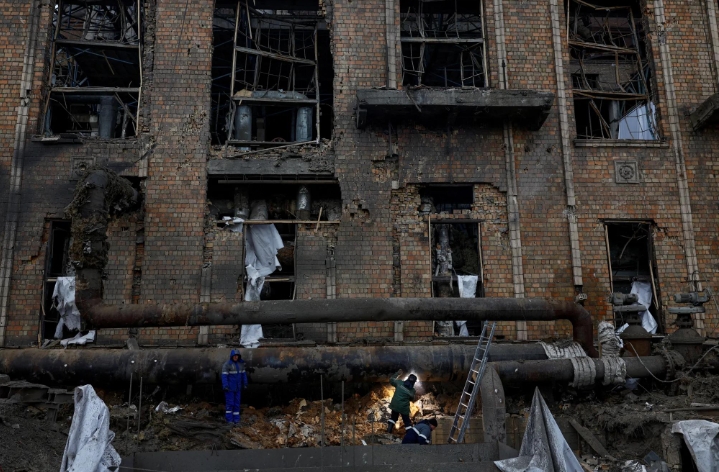
The planned announcement is a direct response to the escalating humanitarian crisis and violence in the Middle East. It is seen as a message to both Israel and the international community about the urgent need for a two-state solution and the establishment of an independent Palestinian state.
According to diplomatic sources, the group of countries, including Spain, Ireland, Belgium, Malta, and Slovenia from Europe, and several Latin American and Asian nations, have coordinated their recognition efforts to maximize their collective impact. This follows a similar move by several nations earlier this year. The formal declarations of recognition are expected to take place in the coming days, during the high-level general debate of the UNGA.
The move is also aimed at influencing the ongoing diplomatic efforts and a potential future peace process. By formally recognizing Palestine, these countries are seeking to pressure Israel into ending its occupation and to lend greater legitimacy to Palestinian claims on the international stage.
The decision has been met with a mixed response. The Palestinian Authority has welcomed the development as a crucial step towards justice and a peaceful resolution. Meanwhile, Israeli officials have condemned the move, calling it a “reward for terrorism” and a “unilateral step” that will harm the prospects for peace. The United States has also expressed its opposition, maintaining that a Palestinian state should be created through direct negotiations between the parties, not through unilateral recognition.
This move marks a potential shift in international diplomacy concerning the Israeli-Palestinian conflict and could set a precedent for other nations to follow suit.