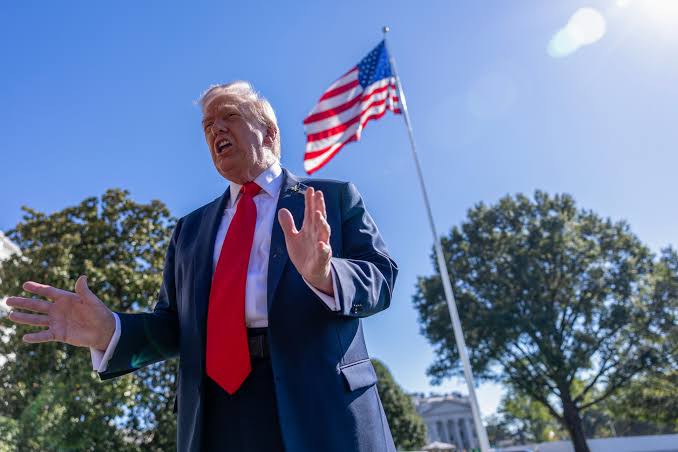
In a dramatic escalation of U.S. pressure on Hamas, former President Donald Trump warned that the militant group would face “complete obliteration” if it insists on retaining control of Gaza rather than surrendering authority ahead of planned peace talks. Trump’s remarks were made in conjunction with a proposal for a ceasefire and political transition that hinges on Hamas’s compliance.
Key Elements of Trump’s Ultimatum and Peace Proposal
- Trump is pushing for a 20-point plan aimed at ending the two-year conflict in Gaza.
- Under the plan:
- Hamas would have to release all 48 hostages within 72 hours (Israel believes about 20 of them are still alive).
- Hamas must cede political and military control of Gaza and disarm.
- In return, Israel would withdraw to agreed positions, free certain Palestinian prisoners (including 250 with life sentences and 1,700 detained since October 2023), and allow humanitarian access to Gaza.
- A transitional governance structure (technocrats, international oversight) would manage Gaza until a stable civilian administration is established.
Reactions & Challenges
- Netanyahu’s support & internal friction
Israeli Prime Minister Benjamin Netanyahu has publicly backed the framework, saying it “meets Israel’s war aims” of dismantling Hamas’s military capacities and ensuring Gaza no longer poses a security threat.
However, hardline elements in his government are uneasy about any scenario that might allow Hamas to maintain influence, and they could resist or even collapse the governing coalition. - Hamas’s response
Hamas submitted a response to mediators, signaling openness to parts of the proposal (especially the release of hostages and handing over administration).
But the group has resisted full disarmament and complete relinquishment of its role, arguing that core issues need broader negotiations involving other Palestinian factions. - Diplomatic efforts & mediators
Egypt, Qatar, and the U.S. are coordinating the upcoming indirect talks in Cairo, expected to address the technical implementation—hostage exchanges, ceasefire details, disarmament logistics, and governance transition.
The U.S. Secretary of State, Marco Rubio, has cautioned that the conflict is “not yet over” and emphasized that true progress will depend on Hamas’s sincerity in compliance. - On-the-ground realities
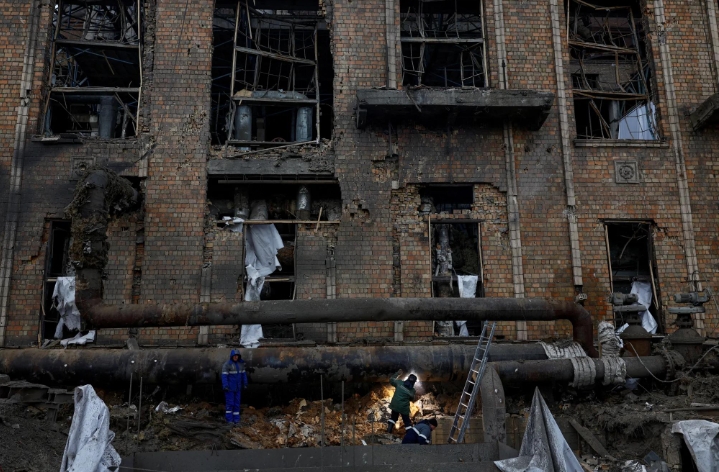
Despite diplomacy, Israeli airstrikes continue in Gaza, inflicting civilian casualties. As of Sunday, Gaza authorities say over 67,000 Palestinians have been killed, and nearly 170,000 injured since October 2023.
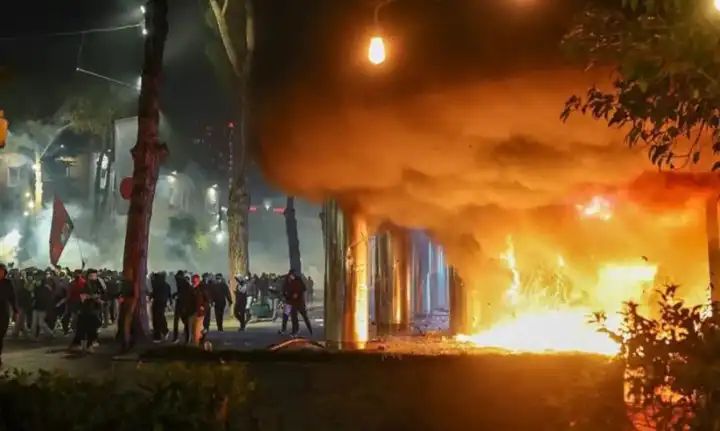
Simultaneously, demonstrators and relatives of hostages are pressing for urgency and accountability.
What’s Next — Risks & Variables
- Hamas’s decision
The linchpin will be whether Hamas accepts the terms fully or partially, especially regarding disarmament and surrendering control. Any refusal or stalling could prompt severe retaliation under Trump’s threat. - Implementation mechanisms
Even if Hamas agrees on paper, translating that into disarmament, safe movements, governance handover, and security guarantees is highly complex and fraught with mistrust. - Israeli political stability
Netanyahu’s pro-deal stance may alienate his far-right coalition partners, triggering internal upheaval or forcing policy changes. - Humanitarian & public pressure
With Gaza’s infrastructure shattered and citizens enduring dire conditions, public outcry and international pressure might push faster concessions or stricter enforcement of ceasefire terms. - Timing & sequencing
There’s a narrow window—hostage release, troop withdrawal, governance transfer—all must follow a carefully choreographed sequence. Misstep by either side could collapse the deal.