ISLAMABAD — Pakistan’s Defence Minister Khawaja Muhammad Asif issued an uncompromising warning to the Afghan Taliban on Wednesday, threatening to “completely obliterate” the group and drive fighters “back to the caves” if militants continue to launch attacks from Afghan soil against Pakistan. The remarks followed the breakdown of peace talks in Istanbul aimed at resolving cross-border violence.
Asif — speaking after four days of mediation in Turkey that failed to secure the guarantees Islamabad demanded on militant groups operating from Afghanistan, particularly the Tehreek-i-Taliban Pakistan (TTP) — told reporters Pakistan had “borne [their] treachery and mockery for too long, but no more.” He warned that Pakistan “does not require even a fraction of its full arsenal to completely obliterate the Taliban regime and push them back to the caves for hiding.”
The defence minister also issued an especially stark threat aimed at Kabul’s rulers, saying: “If Afghanistan even looks at Islamabad, we will gouge their eyes out,” and pledging a response “50 times stronger” should Afghan forces attack Pakistan. Asif reiterated longstanding Pakistani allegations that elements in Kabul are being influenced by New Delhi and accused India of waging a “low-intensity war” against Pakistan through proxies — charges rejected by New Delhi and Kabul.
The Istanbul talks — brokered by regional mediators after deadly cross-border exchanges earlier this month — collapsed amid disagreement over verifiable steps Afghanistan would take against the TTP and other militants. Islamabad demanded a durable, verifiable mechanism that would prevent Afghan territory from being used to plan or launch attacks on Pakistan; Kabul has resisted what it calls external pressure to act against groups it regards as internally Afghan matters. Observers say mutual mistrust and competing regional agendas scuttled the negotiations.
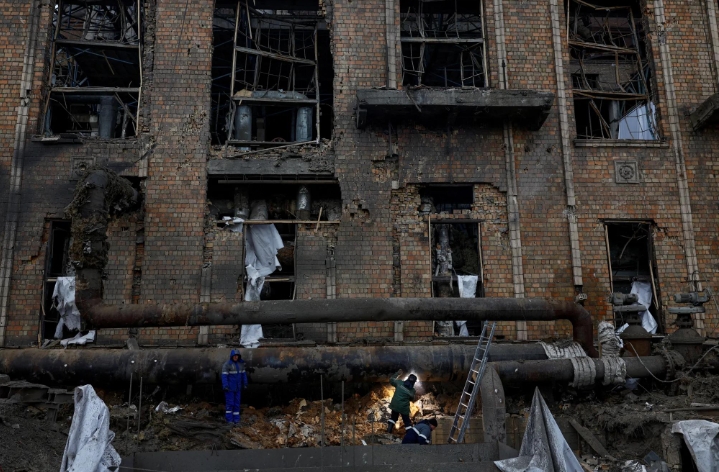
The escalation follows a series of violent incidents along the shared border and Pakistani air strikes into Afghanistan that Islamabad says targeted militant hideouts. Kabul condemned cross-border strikes as violations of Afghan sovereignty and in recent days there were reports of retaliatory fire — raising fears of a wider confrontation in a region already fragile after the Taliban takeover in Kabul in 2021.
Indian perspective and regional implications
New Delhi has been closely watching the developments, given the potential security fallout along India’s eastern and northern approaches and the risk of renewed militant transits. Analysts in India say Pakistan’s rhetoric and threats of deep cross-border operations could destabilise border management and complicate ongoing efforts to control transnational militant networks in the region. Indian officials have not signalled any change to bilateral channels but are reported to be monitoring the situation.
Security experts caution that inflammatory statements by senior leaders on either side risk fuelling a cycle of retaliation that could quickly escalate into limited military clashes or a prolonged period of instability along the Pakistan-Afghanistan frontier. They urge both capitals and mediators to pursue immediate confidence-building measures — including humanitarian safeguards at border crossings and clear communication lines between military commanders — to prevent miscalculation.
What to watch next
- Whether mediators will reconvene talks and secure concrete, verifiable commitments from Kabul on TTP-related activity. (Al Jazeera)
- Possible adjustments to Pakistan’s rules of engagement on the border, and any reciprocal Afghan measures or force deployments. (AP News)
- Diplomatic responses from regional actors, including Turkey, Qatar and India, and any public calls for restraint from major powers. (Reuters)