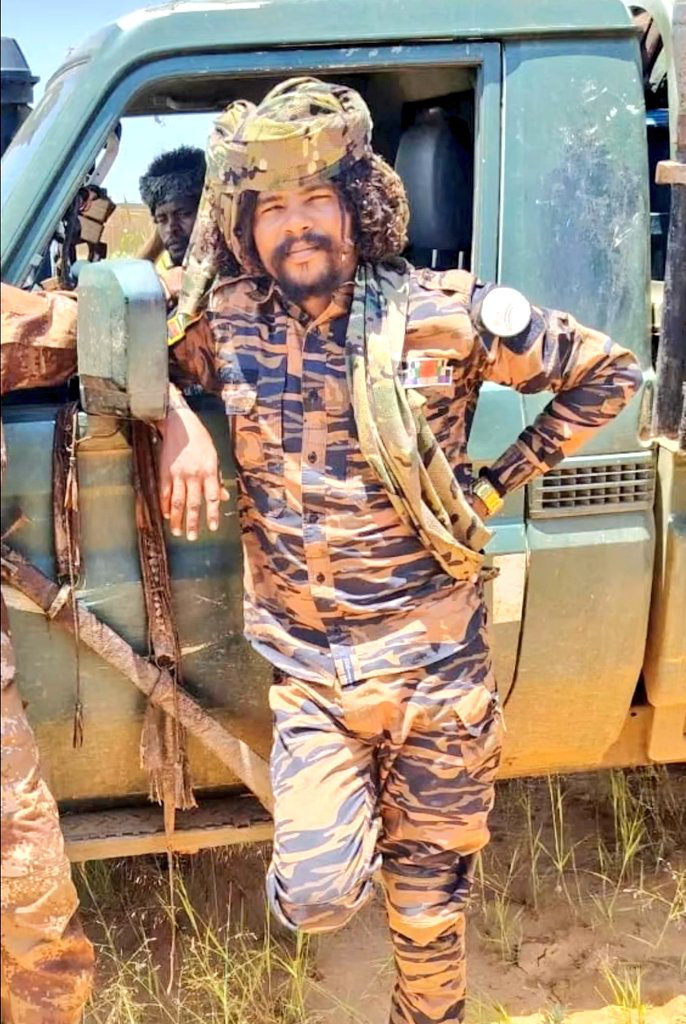
EL FASHER, SUDAN — In a dramatic turn within Sudan’s protracted civil conflict, the Rapid Support Forces (RSF) have reportedly arrested one of their own senior officers, Brigadier General Al-Fateh Abdullah Idris, widely known by his nom de guerre “Abu Lulu” and infamously nicknamed the “Butcher of the Century.”
The detention comes in the wake of mounting international outrage over mass atrocities committed in El Fasher, North Darfur’s capital, following its recent capture by the RSF from the Sudanese Armed Forces (SAF).
Accused of Atrocities in El Fasher
Brig. Gen. Idris rose to notoriety after multiple graphic videos surfaced online in which he allegedly appears shooting unarmed civilians at point-blank range and boasting about large-scale killings. In one widely circulated clip, he reportedly claims to have killed over 2,000 people following El Fasher’s fall to RSF control earlier this month.
Independent open-source intelligence (OSINT) analysts and human rights monitors, including Amnesty International and Human Rights Watch, have verified several of these videos, confirming that they show systematic executions and mass graves consistent with crimes against humanity.
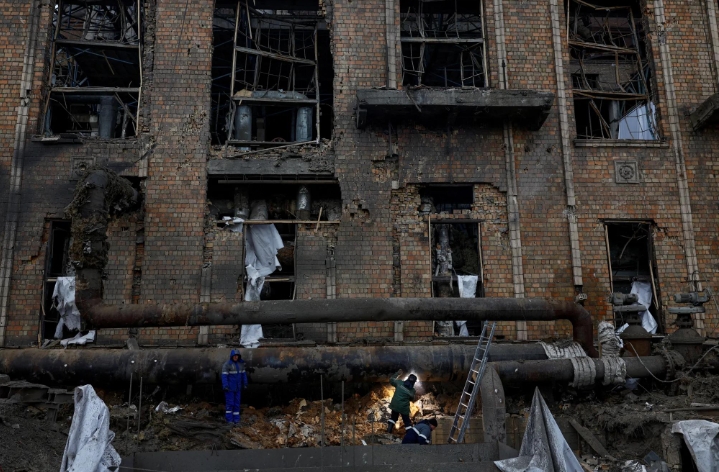
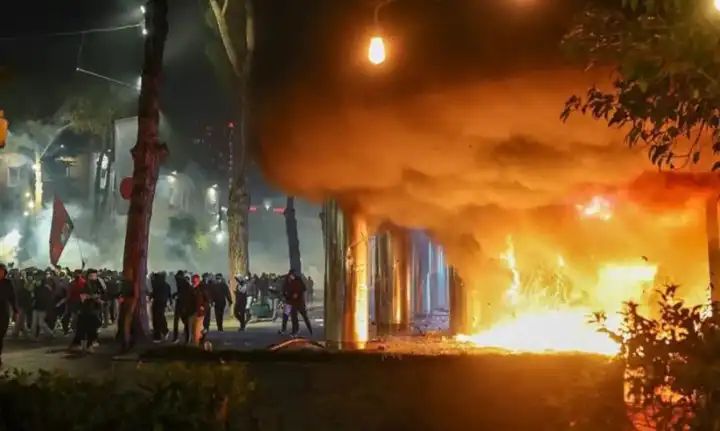
Witnesses describe the aftermath in El Fasher as a city turned into a killing field, with homes torched, hospitals looted, and survivors fleeing amid widespread sexual violence and targeted ethnic attacks — particularly against the Zaghawa and Fur communities.
RSF Confirms Detention, Faces Global Scrutiny
In a statement released via its official Telegram and X (formerly Twitter) accounts, the RSF confirmed the arrest of several fighters accused of “violations that occurred during the liberation of El Fasher.” The group released an image — purportedly showing Idris behind bars in a North Darfur detention facility — claiming that “legal committees” had begun investigations to uphold “the law, rules of conduct, and military discipline.”
However, analysts and diplomats view the move as a public relations maneuver aimed at deflecting international condemnation and shielding RSF leadership, including General Mohamed Hamdan Dagalo (Hemedti), from direct accountability for atrocities.
“Arresting one commander is not justice,” said a senior African Union official on condition of anonymity. “The RSF cannot investigate itself while mass graves are still being uncovered.”
Humanitarian Crisis Deepens
The fall of El Fasher, the last major SAF-held city in Darfur, marks a pivotal — and catastrophic — moment in Sudan’s year-and-a-half-long civil war.
According to the United Nations Office for the Coordination of Humanitarian Affairs (OCHA), over 10,000 civilians are believed to have been killed in the past month alone, while more than 700,000 people have fled their homes. Aid convoys remain unable to enter the city due to ongoing fighting and looting.
UN Secretary-General António Guterres called for an immediate independent investigation into the El Fasher massacres, urging the RSF and SAF to “grant full humanitarian access and cease attacks on civilians.”
International Reaction
- United States: The U.S. State Department condemned the atrocities as “acts of genocide and deliberate targeting of civilian populations,” warning that RSF leaders could face individual sanctions and prosecution at the International Criminal Court (ICC).
- European Union: Brussels demanded that Sudan’s warring factions “allow independent investigators access to Darfur,” adding that “symbolic arrests cannot replace genuine accountability.”
- African Union & UN: Both bodies have discussed establishing a hybrid tribunal for Sudan, similar to the special court used for Sierra Leone, to prosecute war crimes and crimes against humanity.
- Human Rights Groups: Amnesty International called the RSF’s announcement a “transparent attempt to appease the world,” insisting that “those giving orders from the top must face justice — not just the men caught on camera.”
Who Is ‘Abu Lulu’?
Al-Fateh Abdullah Idris, known within RSF ranks as Abu Lulu, is believed to be in his mid-40s and has served as a field commander in Darfur since the early 2000s. He was part of the Janjaweed militia, which evolved into the RSF — a force long accused of atrocities during both the Darfur genocide (2003–2008) and the current Sudanese civil war that erupted in April 2023.
Local sources describe Idris as a ruthless and feared commander, with a reputation for “enforcing terror as a tactic.” His arrest — if genuine — marks the first known detention of a senior RSF officer for war crimes since the conflict began.
Analysis: Tactical Sacrifice or Genuine Accountability?
Experts suggest that Idris’s arrest may signal internal fractures within the RSF, or an effort by Hemedti to demonstrate a façade of discipline amid global outrage.
“It’s unlikely the RSF would detain one of its most notorious field officers without calculating the diplomatic advantage,” said Dr. Leila Mahmoud, a Sudanese conflict researcher. “They’re losing the information war internationally — this is a containment strategy.”