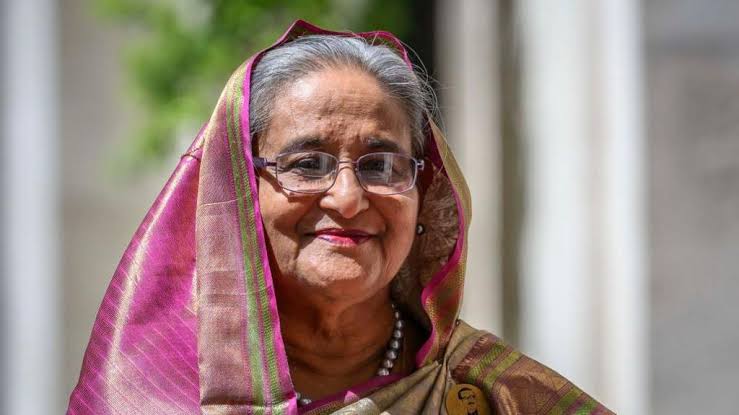
The International Crimes Tribunal (ICT) in Dhaka has sentenced former Prime Minister Sheikh Hasina to death in absentia, following her conviction on charges of crimes against humanity linked to a violent crackdown on protests in 2024.
The tribunal found Hasina guilty of incitement, “orders to kill,” and failing to prevent atrocities, including the use of drones, helicopters, and lethal weapons against protesters. Alongside her, former Home Minister Asaduzzaman Khan Kamal also received the death sentence.
Hasina, who fled to India in August 2024, has denounced the trial as politically motivated and described it as a “kangaroo court.” Security was tightened in Dhaka prior to the verdict, with police and paramilitary forces deployed around the tribunal.
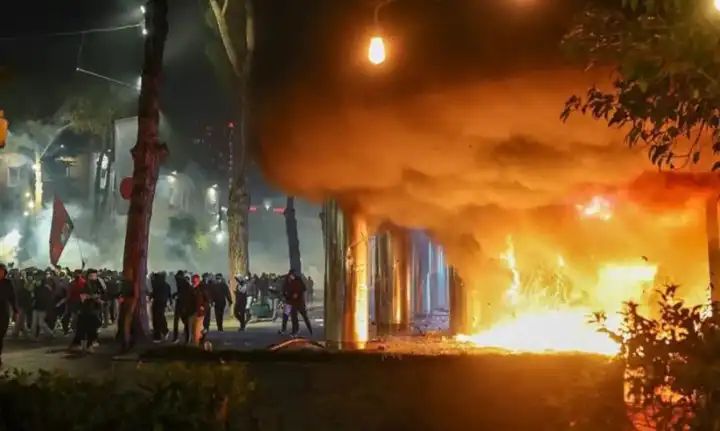
Her prosecution stemmed from her government’s response to a student-led uprising in July–August 2024, which escalated into a nationwide revolt. Prosecutors argued that up to 1,400 people were killed during the unrest.
Chief Prosecutor Mohammad Tajul Islam described Hasina as the “mastermind and principal architect” behind the violence. He argued that if each of the alleged 1,400 murders were punished individually, it would amount to 1,400 death sentences — but since that’s legally impossible, at least one death sentence is “essential” to deliver justice.
India’s Position and the Road Ahead
For India, the verdict against Sheikh Hasina places New Delhi in a diplomatically sensitive position. Hasina, a long-time ally of India, has been living in the country since her ouster in August 2024. Bangladesh’s interim government has repeatedly urged India to extradite her, but New Delhi has so far maintained silence, stating that it will “closely study the legal and political implications” before taking any step.
Indian officials are concerned that extradition could destabilise bilateral relations, spark political backlash, and raise human-rights questions, especially after a death-penalty verdict delivered in absentia. At the same time, refusing extradition may strain ties with Bangladesh’s interim administration, which India depends on for border security, counter-terrorism, and regional cooperation.
For now, India is expected to adopt a cautious, wait-and-watch approach, avoiding direct intervention while assessing the stability of Bangladesh’s transition and the international response to the tribunal’s decision. The Hasina verdict thus becomes a major foreign-policy test for New Delhi as it balances strategic interests, humanitarian concerns, and regional diplomacy.