DHAKA:
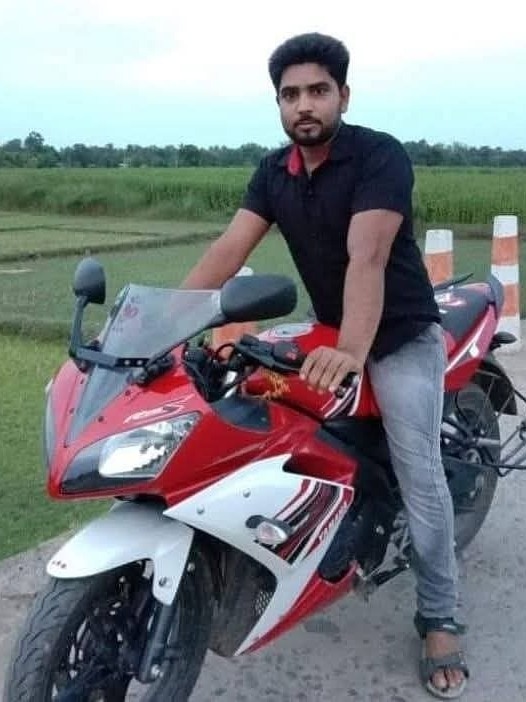
A 29-year-old Hindu youth, Amrit Mondal, also known as Samrat, was beaten to death by a mob in Bangladesh’s Rajbari district, triggering renewed fear among minority communities and allegations that authorities are attempting to dilute the gravity of the incident by denying any communal angle.
The killing occurred late Wednesday night at Hossaindanga Purantan Bazar in Pangsha Upazila, just days after another Hindu youth, Dipu Chandra Das, was lynched and set on fire in Mymensingh, sparking outrage both inside and outside the country.
What Happened
According to police accounts, the violence erupted around 11:00 PM when Amrit Mondal and a few associates allegedly went to the residence of a local man, Shahidul Islam, demanding extortion money. When Shahidul was not at home, Mondal’s group reportedly confronted and harassed his son.
The family raised an alarm, shouting that robbers had entered the area. This led to a large crowd of villagers gathering at the spot. While Mondal’s associates managed to flee, he was caught by the mob and brutally assaulted for an extended period.
Police reached the scene and rescued Mondal in a critical condition. He was taken to the Pangsha Upazila Health Complex, where doctors declared him dead at around 2:00 AM on Thursday.
Arrests and Police Version
Authorities later arrested one of Mondal’s alleged associates, Mohammad Selim, and claimed to have recovered two firearms, including a pistol and a locally made one-shooter gun, from him.
In an official statement, police said Mondal had multiple criminal cases pending against him, including murder and extortion, and described him as the leader of a local gang known as “Samrat Bahini.” Officials also stated that Mondal had recently returned from India.
Government Denies Communal Motive
The interim government, led by Muhammad Yunus, condemned the killing but firmly rejected claims of communal violence.
“Initial investigations suggest this was not a communal incident. The deceased was involved in serious criminal activities and was known to law enforcement,” the government said, urging the public not to view the killing through a religious lens.
Police echoed this stance, calling the incident a case of mob violence linked to criminal activity, not an attack motivated by religious hatred.
Minority Community Alarmed
Despite these assurances, members of the Hindu community and minority rights groups remain deeply concerned. Activists argue that repeatedly labeling victims as criminals risks justifying mob justice and obscuring the broader issue of growing insecurity faced by minorities in Bangladesh.
The killing has reignited debate over the culture of vigilantism and the failure to prevent mobs from taking the law into their own hands. Human rights groups warn that denying or downplaying communal sensitivities only deepens mistrust and fear among vulnerable communities.
a Hindu is lynched and immediately branded a criminal, it creates a message that our lives are disposable.”
Minority organisations accused authorities of systematic narrative management, arguing that repeatedly dismissing communal concerns erodes trust in state institutions. They pointed out that similar explanations were offered in past cases involving minority victims, while mob participants often go unpunished.
Several Hindu temples in the region reportedly held silent prayers for Mondal, while community elders urged youth to remain calm amid rising anger and anxiety.
Human rights activists warned that unless decisive action is taken against mob violence, the sense of insecurity among minorities will deepen, accelerating migration and social fragmentation.
Pattern of Violence
The incident comes close on the heels of the December 18 lynching of Dipu Chandra Das, a Hindu garment worker who was beaten and burned alive over unverified blasphemy allegations. That case had drawn sharp criticism from international observers and rights organizations.
With two Hindu youths lynched within days, pressure is mounting on Bangladeshi authorities to ensure transparent investigations, hold all perpetrators accountable, and take concrete steps to curb mob violence—regardless of the victim’s background or alleged past.
As investigations continue, the incident has once again put Bangladesh’s treatment of minorities and its handling of mob justice under intense national and international scrutiny.