DHAKA / NEW DELHI:
The killing of another Hindu man in Bangladesh has reignited international concern over the safety of religious minorities, as reports of mob violence, arson attacks on homes, and growing influence of hardline Islamist groups dominate regional headlines. The latest incident has also triggered a wider debate on selective outrage, with critics questioning why some activist networks and advocacy platforms remain silent on similar violence elsewhere.
Fresh Killing, Familiar Fears
Bangladesh has once again been rocked by the killing of a Hindu citizen in a mob attack, adding to a series of recent incidents that have unsettled minority communities. Local reports indicate that dozens of homes belonging to Hindus were vandalised or set ablaze in connected flare-ups, forcing families to flee and deepening fears of communal targeting.
While authorities have condemned the violence and, in several cases, denied a communal motive, minority groups and independent observers say the pattern is hard to ignore. International media outlets such as Reuters, Associated Press, and BBC have repeatedly highlighted concerns over mob justice and the state’s struggle to rein in extremist elements exploiting local disputes.
Allegations of Rising Islamist Influence
Political analysts in South Asia warn that hardline Islamist and jihadist-leaning groups are gaining ground in parts of Bangladesh’s socio-political space, often operating at the fringes of law and order. Though the government disputes claims of organised extremist consolidation, security experts quoted by The Guardian and Al Jazeera have noted that radical networks frequently take advantage of weak enforcement and polarised narratives.
Minority leaders argue that even when attacks are framed as criminal or spontaneous, the religious identity of victims consistently places Hindus and other minorities at greater risk.
Global Protests — and Global Silence
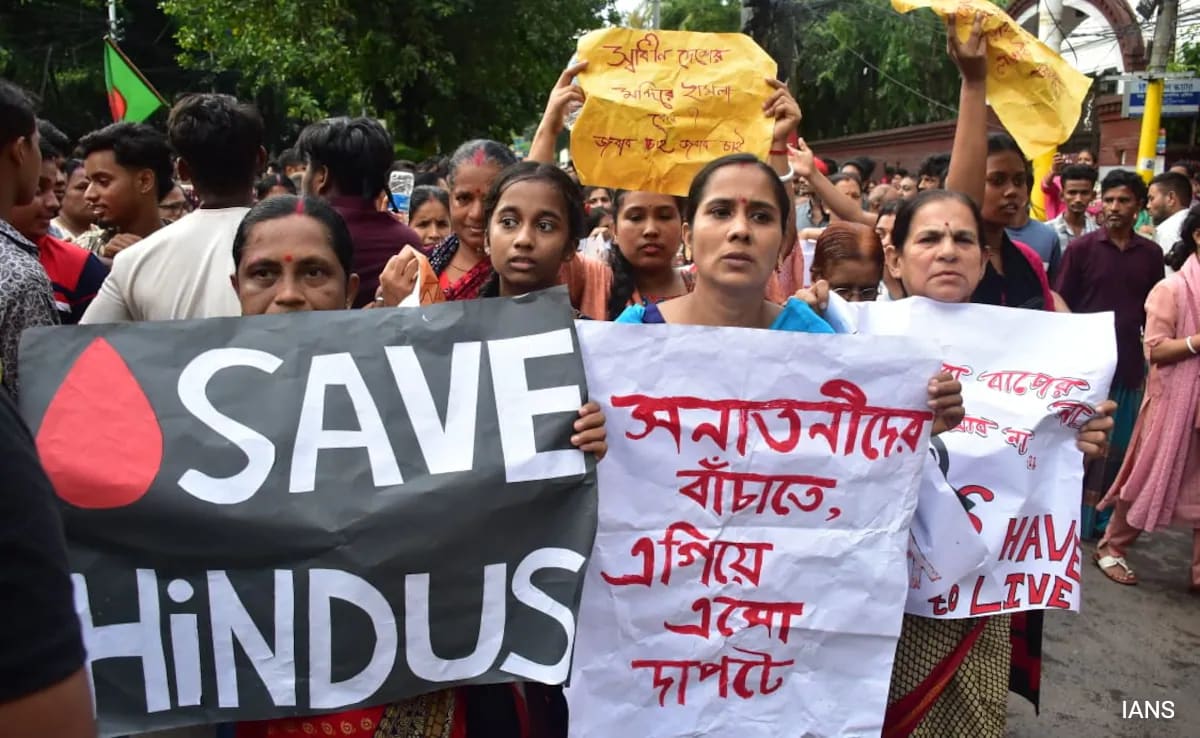
The latest killing has sparked protests and condemnation from diaspora groups in Europe, North America, and India. Hindu organisations abroad have held demonstrations demanding international pressure on Dhaka to ensure accountability and protection for minorities.
At the same time, critics point to what they describe as a muted response from several high-profile activist handles and advocacy platforms in India and the West, especially those vocal on conflicts such as Gaza. Similar silence, they argue, has followed reports of mass killings of Christians in countries like Sudan and parts of sub-Saharan Africa, despite documentation by organisations such as Amnesty International and Human Rights Watch.
“Human rights should not depend on geography, religion, or political convenience,” said a South Asian human rights researcher quoted by Deutsche Welle. “Selective activism weakens the credibility of global advocacy.”
NGOs Under the Lens
This inconsistency has led to sharper criticism of some international NGOs, with commentators alleging that funding dependencies and geopolitical alignments shape which crises receive sustained attention. While there is no conclusive evidence supporting claims of a coordinated “deep state” agenda, investigative pieces in outlets like Foreign Policy and The Economist have acknowledged long-standing debates over donor influence, narrative framing, and agenda-setting in global civil society.
Several NGOs have rejected these accusations, insisting that resource limitations and access constraints—not bias—determine coverage priorities.
A Test for Global Conscience
As Bangladesh faces mounting scrutiny, diplomats and rights experts stress that ending mob violence and protecting minorities is a test of democratic credibility, not just for Dhaka but for the international community at large.
The recurring question raised by activists and analysts alike is stark:
Will global human rights advocacy apply the same moral urgency to all victims, or will silence continue to follow those who fall outside dominant geopolitical narratives?
For Bangladesh’s Hindu minority—and for other vulnerable communities across the Muslim world and beyond—the answer could determine whether justice remains a promise or becomes a reality.