Operation Overview: U.S. Attack and Capture
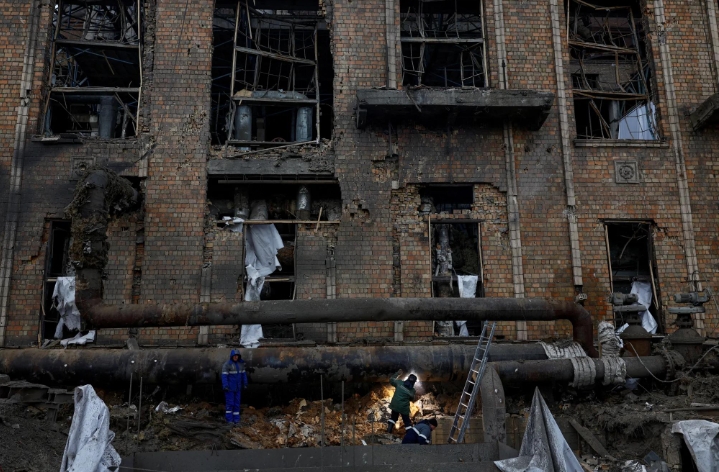
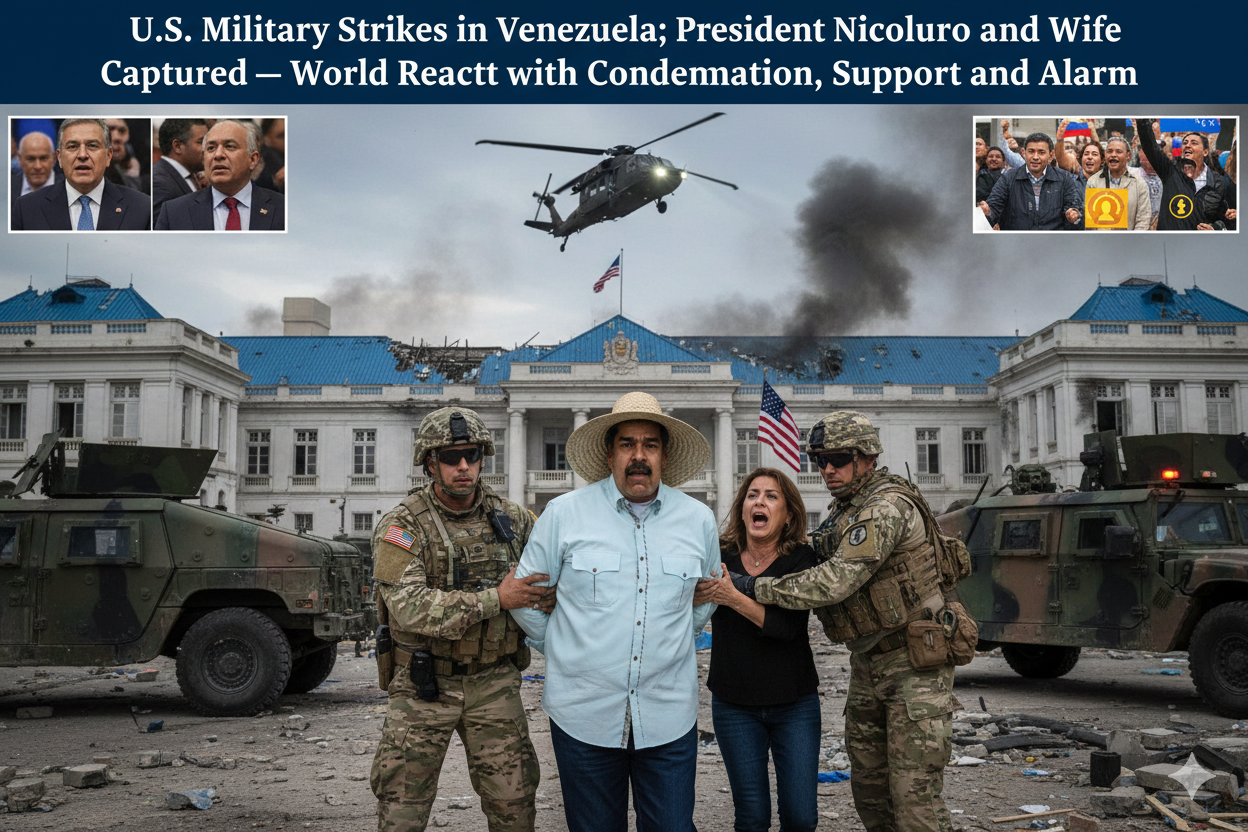
In the early hours of January 3, 2026, the United States launched a large-scale military strike inside Venezuela, striking multiple targets in and around Caracas and other northern regions of the country. Explosions were reported across the capital, including near key military installations and airports, as U.S. forces executed a surprise air and ground operation aimed at Venezuelan President Nicolás Maduro and First Lady Cilia Flores.
According to U.S. President Donald Trump, the operation succeeded in capturing Maduro and Flores and flying them out of Venezuela. The couple is reportedly being transported to the United States — potentially aboard a U.S. naval vessel — where they will face criminal charges, including allegations of narco-terrorism, drug trafficking, and weapons offenses under a long-standing U.S. indictment.
The Venezuelan government immediately condemned the action as an illegal imperialist invasion and regime-change operation, accusing the U.S. of violating Venezuelan sovereignty and launching attacks on both civilian and military targets. Venezuela’s Vice President Delcy Rodríguez demanded proof of life for Maduro and Flores and rejected the legality of the operation.
Donald Trump’s Statements on the Operation
President Trump publicly announced the operation as a “successful and decisive strike” against what he called an international narco-terrorism regime. He described watching parts of the mission live and stated that no American forces were killed during the mission. Trump also framed the capture as part of a broader effort to combat drug trafficking and protect U.S. national security.
The U.S. Attorney General, Pam Bondi, said Maduro and Flores will face justice on U.S. soil, under indictments from the Southern District of New York related to narco-terrorism and cocaine importation charges.
Trump has further signaled an intention to increase U.S. involvement in Venezuela’s oil sector following the removal of Maduro, raising geopolitical and economic implications for the region.
Immediate Aftermath Within Venezuela
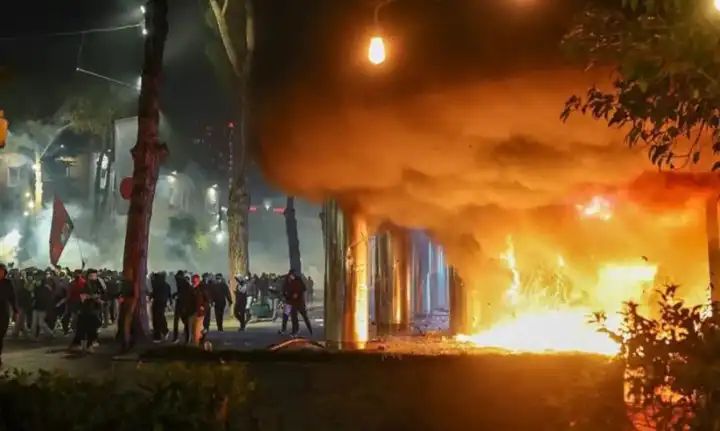
The assault triggered power outages and widespread confusion in Caracas. Venezuelan officials called for citizens to resist what they described as a criminal foreign invasion, urging military and public mobilization in defense of national sovereignty.
A leadership vacuum has emerged, as Vice President Delcy Rodríguez and other senior officials have struggled to assert control. Under Venezuelan law, Rodríguez would assume the presidency in Maduro’s absence, but the situation remains chaotic.
Global Reactions: Condemnation, Support & Diplomatic Fallout
Latin America
- Brazil: President Luiz Inácio Lula da Silva condemned the U.S. action as an unacceptable violation of sovereignty and urged the United Nations to respond decisively.
- Colombia: Strong criticism and concerns about regional instability and a possible refugee crisis.
- Argentina & Ecuador: Some right-leaning leaders, like Argentina’s President Javier Milei and Ecuador’s President Daniel Noboa, applauded the U.S. move, praising it as a step toward ending Maduro’s regime.
- Chile: Outgoing left-leaning President condemned the strike, while the incoming conservative government offered support.
Global Powers
- Russia and China: Both governments condemned the U.S. attack as a blatant breach of international law and an infringement on Venezuelan sovereignty, calling for respect for the UN Charter.
- European Union: The EU urged restraint and insisted on adherence to international legal norms and peaceful conflict resolution.
- United Nations: UN officials expressed concern over the precedent set by unilateral use of force and called for diplomatic solutions.
Regional and Humanitarian Concerns
Some Latin American nations warned that the strike could undermine regional stability, fuel anti-U.S. sentiment, and potentially prompt unrest or refugee flows across borders if the conflict deepens.
Significance and Future Implications
The U.S. operation marks an unprecedented military intervention in Latin America since the 1989 U.S. invasion of Panama. It represents a major escalation in American foreign policy toward Venezuela, transitioning from sanctions, economic pressure, and targeted drug enforcement actions to direct military engagement.
Whether the prosecution of Maduro and Flores proceeds and how Venezuela’s political landscape evolves in their absence remain key questions for regional security and international law debates.