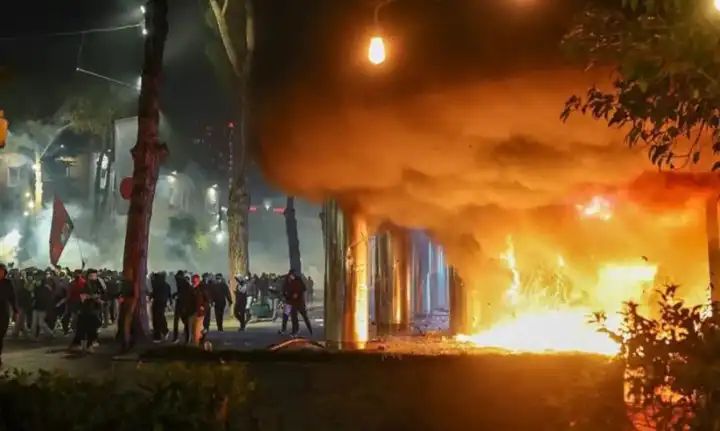
Abuja: At least 30 villagers were killed and several others abducted after a heavily armed militant group carried out a brutal attack on rural communities in Nigeria, triggering widespread fear and condemnation across the region, according to local authorities and community leaders.
The assault took place in the early hours of the day when attackers stormed multiple villages, firing indiscriminately, setting homes ablaze, and looting food supplies and livestock. Survivors said the attackers moved from house to house, targeting residents who attempted to flee, while forcibly taking away men, women, and children whose whereabouts remain unknown.
Local officials confirmed that the death toll could rise, as several injured victims are in critical condition and some remote areas are yet to be fully accessed by rescue teams. Security forces have been deployed to the affected areas, and a search operation is underway to track down the attackers and rescue those kidnapped.
Although no group has officially claimed responsibility, the attack bears similarities to previous assaults carried out by armed bandit groups and extremist factions operating in parts of northern and central Nigeria. These groups frequently target rural communities for ransom, supplies, and territorial control, exploiting weak security presence in remote regions.
Residents accused the authorities of failing to provide adequate protection despite repeated warnings about increasing militant movements in the area. “We have been crying for help for months. Now our people are dead, and our children have been taken,” a local community leader said.
The Nigerian government has condemned the attack, describing it as “an act of terror against innocent citizens,” and vowed to bring the perpetrators to justice. Human rights organizations have also urged the government to strengthen civilian protection and address the root causes of violence, including poverty, unemployment, and the proliferation of illegal weapons.
Nigeria has witnessed a surge in violent attacks in recent years, with rural populations bearing the brunt of insecurity. Analysts warn that without sustained military action and long-term socio-economic interventions, such incidents are likely to continue, further destabilizing affected regions.