Mumbai | Political Report
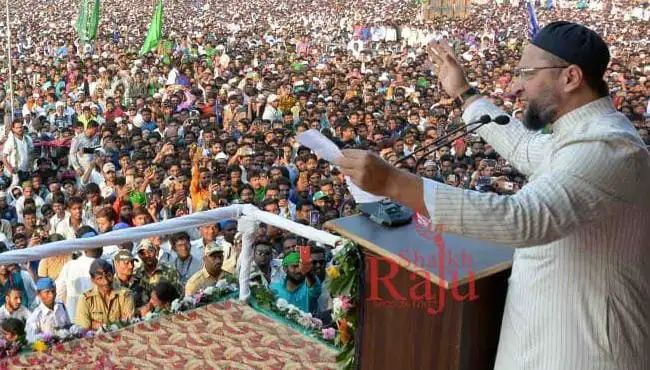
In a significant development in Maharashtra’s municipal and civic body elections, the All India Majlis-e-Ittehadul Muslimeen (AIMIM) led by Asaduddin Owaisi has registered a notable breakthrough by winning 114 seats across the state, contesting largely on its own. The tally is higher than that of the Nationalist Congress Party (Sharad Pawar faction) and the Maharashtra Navnirman Sena (MNS), underlining AIMIM’s growing footprint in urban local politics.
Consolidation of Muslim Votes
Political analysts attribute AIMIM’s success primarily to the consolidation of Muslim votes in several urban centres. Traditionally, these votes were split among the Congress, NCP, Left parties and socialist groups. In this election, however, AIMIM emerged as the preferred choice in many Muslim-dominated wards, translating vote consolidation into seat victories.
Warning Signal for Congress and Opposition Parties
The results are being seen as a warning bell for the Congress and other traditional opposition parties, including the NCP, Left and socialist formations. Their declining influence among minority voters in urban areas became evident as AIMIM capitalised on fragmented opposition contests and focused grassroots campaigning.
MNS Loses Ground
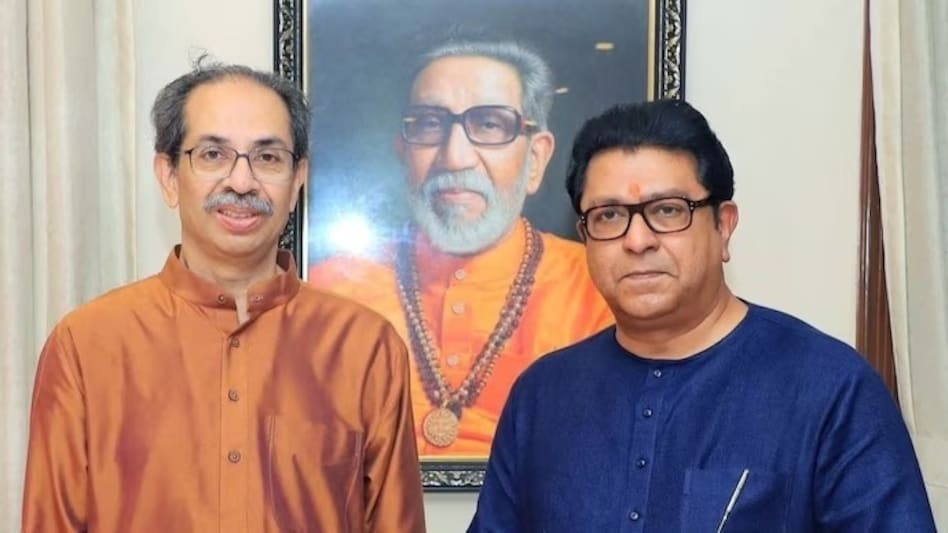
The Maharashtra Navnirman Sena (MNS) failed to make the expected gains, with AIMIM outperforming it in overall seat count. This shift highlights changing political preferences in several municipal corporations and councils.
National Implications
Observers note that the Maharashtra outcome could also serve as a cautionary signal for the Trinamool Congress (TMC) and other regional parties elsewhere in the country. If the pattern of Muslim vote consolidation around AIMIM extends to other states, it could alter the traditional electoral equations that have long favoured larger secular parties.
Changing Political Landscape
Overall, the municipal election results indicate that AIMIM is emerging as a decisive force in Maharashtra’s urban politics. The party’s rise is expected to influence opposition strategies ahead of future Assembly and Lok Sabha elections.
In essence, AIMIM’s 114-seat victory, driven by minority vote consolidation, marks a significant shift in Maharashtra’s civic political landscape and poses fresh challenges for established opposition parties.