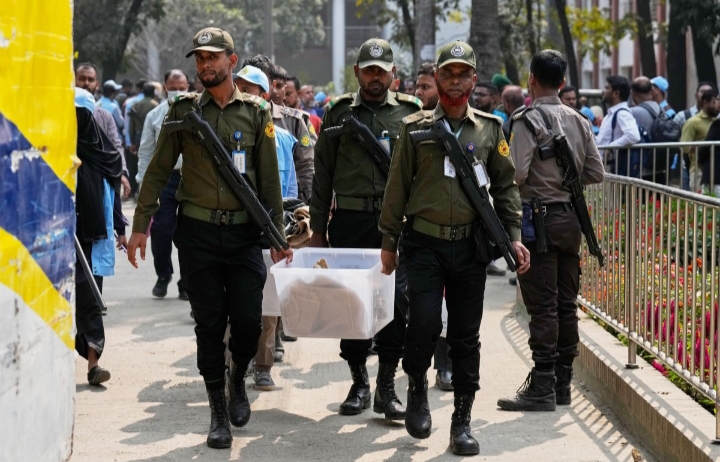
Dhaka: Bangladesh is holding a landmark parliamentary election today — the first since the 2024 student-led uprising that toppled long-time Prime Minister Sheikh Hasina — with more than 127 million citizens eligible to vote under heavy security nationwide.
The vote is widely seen as a critical test of whether the country can restore democratic norms while ensuring protection for minority communities.
Why This Election Matters Globally
The election follows years of political unrest culminating in Hasina’s government collapse and her flight to India, after which her party was barred from contesting the polls.
It is being supervised by an interim administration led by Nobel laureate Muhammad Yunus, who has promised transparency and fairness.
Observers say the outcome could redefine Bangladesh’s democratic trajectory and reshape regional geopolitics.
Political Background
- Sheikh Hasina’s 15-year rule ended after a mass uprising in 2024.
- The Bangladesh Nationalist Party (BNP), led by Tarique Rahman, has emerged as a major contender after his return from exile.
- Islamist parties and new political movements are also in the race, making the contest unusually diverse.
Rahman has promised democratic reform and zero tolerance for corruption, though critics warn that the resurgence of hardline allies could threaten the country’s secular fabric.
Minority Communities Gripped by Fear
Reports indicate rising religious intolerance, particularly affecting Hindu minorities, with intimidation and violence deepening anxiety about their future place in society.
Previous elections have often seen violence in which religious minorities “bear the brunt,” and many Hindus fear further attacks — partly because they have long been viewed as aligned with Hasina, who now lives in exile in India.
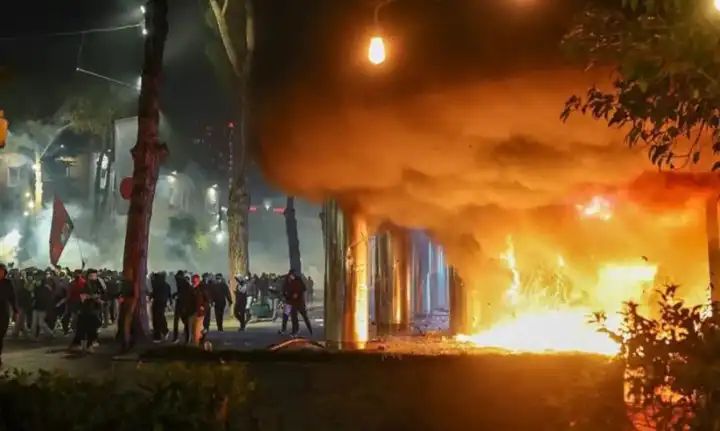
Citizens interviewed ahead of the vote have also expressed worries about riots, killings, and a breakdown of law and order.
India–Bangladesh Relations Under Strain
The political transition has generated suspicion between Dhaka and New Delhi, especially after the removal of Hasina, whom India had supported.
India has already documented what it described as “unremitting hostility against minorities,” including Hindus, Christians and Buddhists — a factor influencing bilateral tensions.
Meanwhile, Bangladesh’s election is also testing foreign policy priorities as regional powers closely watch whether the next government will maintain strategic balance.
Security and Democratic Test
Authorities deployed extensive security across polling stations after years of turmoil.
Analysts say the election will determine whether Bangladesh can move toward a more inclusive political environment after prolonged polarization.
What Happens Next?
Results are expected soon, and the outcome could influence:
- Minority protections
- Democratic reforms
- Regional stability
- Relations with India and other major powers
In short, today’s vote is not just about choosing a government — it is about defining the future direction of one of South Asia’s most strategically important nations.