Introduction
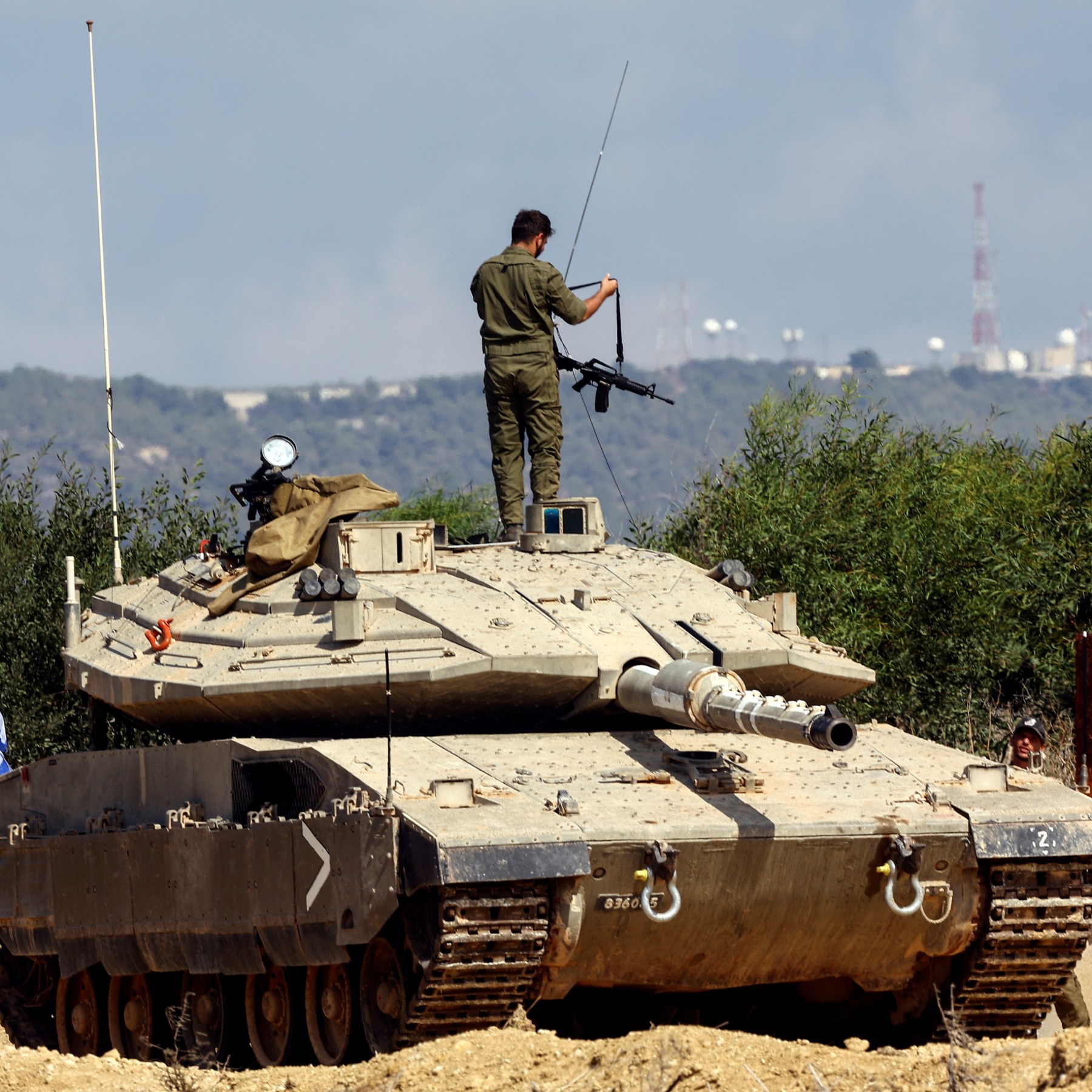
Israel’s renewed military operations and presence in southern Lebanon have once again drawn international attention to one of the Middle East’s most enduring conflicts. Israeli officials describe the actions as necessary security measures aimed at countering threats from Hezbollah along the border. Lebanon, however, along with many international observers, has criticized the operations as violations of Lebanese sovereignty.
The latest developments are part of a much longer history of wars, territorial disputes, and military occupations that have shaped the modern Middle East since the establishment of Israel in 1948. From the United Nations partition plan of 1947 to the conflicts in Gaza and Lebanon today, the question of territory has remained at the center of regional tensions.
1947: The UN Partition Plan
In November 1947, the United Nations approved a plan to divide British-controlled Palestine into separate Jewish and Arab states, with Jerusalem placed under international administration.
Jewish leaders accepted the proposal, while Arab leaders and neighboring Arab states rejected it, arguing that it unfairly allocated land and ignored the wishes of the Arab majority living in Palestine at the time.
The disagreement laid the foundation for the first Arab-Israeli war.
1948–1949: The First Arab-Israeli War
On May 14, 1948, Israel declared independence. Within hours, armies from Egypt, Jordan, Syria, Lebanon, and Iraq entered the conflict.
By the end of the war, Israel controlled significantly more territory than had been allocated under the UN partition plan. The West Bank came under Jordanian control, while the Gaza Strip was administered by Egypt.
The war also led to the displacement of hundreds of thousands of Palestinians, an event Palestinians refer to as the Nakba, or “catastrophe.”
1956: The Suez Crisis
In 1956, following Egyptian President Gamal Abdel Nasser’s nationalization of the Suez Canal, Israel joined Britain and France in a military operation against Egypt.
Israeli forces captured the Sinai Peninsula but later withdrew under pressure from the United States, the Soviet Union, and the international community.
1967: The Six-Day War
The Six-Day War dramatically reshaped the Middle East.
In less than a week, Israel captured:
- The West Bank from Jordan
- East Jerusalem from Jordan
- The Gaza Strip from Egypt
- The Sinai Peninsula from Egypt
- The Golan Heights from Syria
Many of the territorial disputes that continue today stem from the outcome of this war.
1973: The Yom Kippur War
Egypt and Syria launched a surprise attack in an effort to regain territories lost in 1967.
Although neither side achieved a decisive victory, the conflict eventually paved the way for diplomatic negotiations and future peace agreements.
1979: Peace with Egypt
Following the Camp David Accords and the Egypt-Israel Peace Treaty, Israel agreed to return the Sinai Peninsula to Egypt.
The withdrawal was completed in 1982 and remains one of the most significant territorial concessions in Israel’s history.
1982: The Invasion of Lebanon
In 1982, Israel launched a major military operation in Lebanon, stating that its objective was to remove the Palestine Liberation Organization (PLO) from areas near its northern border.
Israeli forces advanced deep into Lebanon, reaching Beirut and establishing a security zone in the south.
The occupation of parts of southern Lebanon continued for nearly two decades.
2000: Withdrawal from Southern Lebanon
In May 2000, Israel withdrew most of its forces from southern Lebanon following years of conflict and growing domestic and international pressure.
However, tensions along the border persisted, particularly involving Hezbollah.
2006: The Israel-Hezbollah War
A cross-border conflict between Israel and Hezbollah escalated into a 34-day war in 2006.
The conflict caused extensive destruction in Lebanon and northern Israel and further entrenched hostilities between the two sides.
The Palestinian Territories
Since 1967, the West Bank has remained under varying degrees of Israeli military and administrative control.
Israeli settlements in the territory continue to be a major point of international controversy. Most countries and international organizations consider the settlements illegal under international law, while Israel disputes that interpretation.
The Gaza Strip, from which Israel withdrew its settlements and permanent military presence in 2005, has remained a focal point of conflict and periodic wars.
2023–2026: Gaza War and Renewed Lebanon Tensions
The Hamas attack on Israel on October 7, 2023, triggered a major war in Gaza and heightened tensions across the region.
Clashes between Israel and Hezbollah intensified along the Lebanon-Israel border, leading to repeated exchanges of fire, airstrikes, and military operations.
By 2025 and 2026, reports indicated renewed Israeli military activity in parts of southern Lebanon, with Israeli officials citing security concerns and efforts to prevent cross-border attacks. Lebanese authorities and international observers have raised concerns about the impact on sovereignty and regional stability.
Conclusion
From the UN partition plan of 1947 to the latest developments in southern Lebanon, the history of Israel and its neighbors has been marked by recurring wars, territorial disputes, and unresolved political questions.
The status of the West Bank, Gaza, East Jerusalem, the Golan Heights, and areas along the Lebanese border continues to shape regional politics and remains central to debates about security, sovereignty, and the prospects for a lasting peace in the Middle East.