Sanaa, Yemen | November 27, 2026
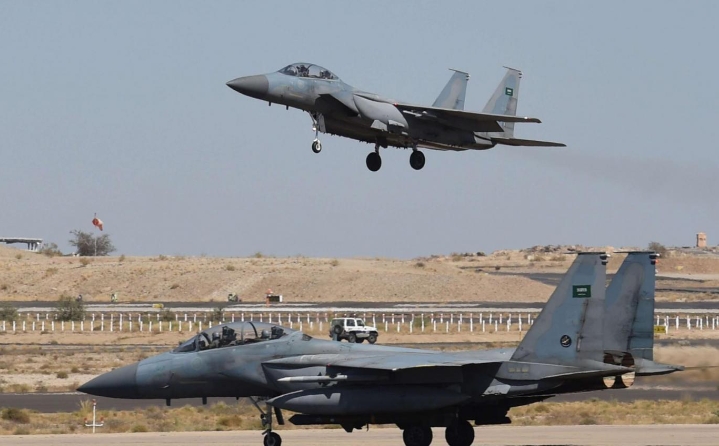
The Saudi-led military coalition supporting Yemen’s internationally recognised government has announced that it destroyed 50 Houthi military targets across three Yemeni provinces, marking a significant escalation in the conflict as tensions between the Houthis and Saudi Arabia intensify.
Coalition spokesperson Major General Turki Al-Maliki said the military operation targeted what he described as legitimate Houthi military objectives in Sanaa, Al Hudaydah and Saada provinces. According to the coalition, the strikes were intended to weaken the military capabilities of the Iran-aligned Houthi movement.
However, the coalition did not disclose detailed information about the specific installations targeted, the weapons used or the extent of the damage. The Houthis had not immediately issued an official response to the announcement.
The latest operation comes amid renewed exchanges of attacks between the Houthis and Saudi Arabia, raising concerns about the possibility of a wider regional confrontation.
Saudi refinery attack triggers military response
The coalition’s announcement followed an attack on an oil refinery in Jazan, southwestern Saudi Arabia, which Saudi authorities attributed to the Houthis.
Saudi Arabia’s Energy Ministry reported that a Nepalese worker was killed in the incident, while several other people of different nationalities sustained injuries of varying severity.
The attack raised fresh security concerns over Saudi Arabia’s strategically important energy infrastructure, particularly facilities located near the country’s southern border with Yemen.
Coalition spokesperson Al-Maliki warned that attacks against civilians and civilian infrastructure would invite a decisive military response.
The coalition subsequently announced that it had destroyed a ballistic missile launch platform in Al Hudaydah province, which it claimed had been used in the attack on the Jazan refinery.
Saudi Civil Defence also briefly issued a warning of potential danger in Jazan, highlighting the continuing security concerns in the region.
Three provinces targeted
The latest military operation reportedly covered three strategically important Yemeni provinces.
Sanaa: The capital province remains a major political and military centre under Houthi control. The reported strikes form part of the coalition’s efforts to weaken the group’s operational capabilities.
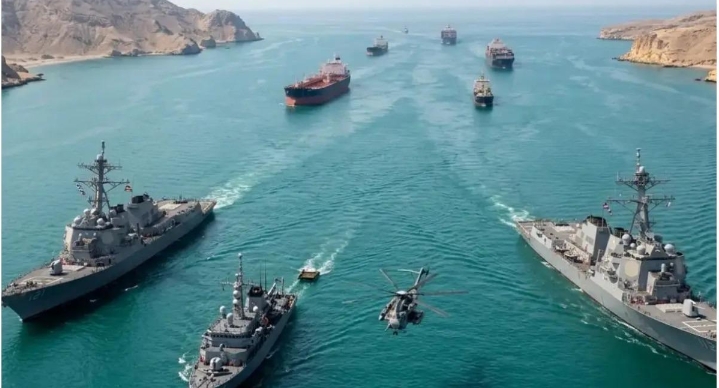
Al Hudaydah: Located along Yemen’s Red Sea coastline, the province is strategically important because of its ports, maritime access and proximity to major international shipping routes.
Saada: Situated in northwestern Yemen near the Saudi border, Saada is considered a key Houthi stronghold and has long been central to the movement’s military and political influence.
Despite announcing the destruction of 50 targets, the coalition has not independently disclosed the precise locations or nature of all the facilities involved.
Fighting intensifies on multiple fronts
The air campaign comes as fighting between Yemen’s internationally recognised government forces and Houthi fighters intensifies across several parts of the country.
Yemeni government forces have reported clashes in Marib province, approximately 80 kilometres from Sanaa, as well as fighting in the northern province of Al-Jawf.
Military authorities have also reported airstrikes against Houthi positions in Taiz province in southwestern Yemen.
The Houthis, meanwhile, have reported airstrikes in Sanaa and Taiz, although the circumstances and full extent of the reported damage remain unclear.
The competing claims underline the increasingly complex military situation, with different parties providing conflicting accounts of operations and battlefield developments.
Humanitarian crisis deepens
The renewed military escalation is adding to the suffering of civilians in a country already devastated by more than a decade of conflict.
According to figures attributed to the World Health Organization (WHO), 2,361 people were killed and 10,982 injured in Yemen between August and November 23, 2026, as hostilities intensified.
The figures, reported through regional news coverage, do not specify how many casualties were civilians and how many were combatants.
The continued fighting threatens to worsen displacement, disrupt essential services and undermine access to food, healthcare and other basic necessities.
Humanitarian organisations have repeatedly warned that further military escalation could have devastating consequences for vulnerable communities, particularly women, children and displaced families.
Background: Yemen’s prolonged conflict
Yemen has been engulfed in civil war since the Houthi movement seized control of Sanaa and other parts of the country in 2014, forcing the internationally recognised government from the capital.
In March 2015, Saudi Arabia led a military coalition to support the Yemeni government and prevent further Houthi territorial expansion.
The conflict has since developed into a prolonged regional security crisis, involving multiple domestic and international actors.
A United Nations-brokered truce in 2022 significantly reduced large-scale fighting, although it did not produce a comprehensive political settlement.
Hostilities intensified again in July 2026 following the collapse of the relative calm, with renewed fighting across several front lines.
Regional security and international implications
The latest escalation carries implications beyond Yemen’s borders.
Saudi Arabia’s southern border security, regional oil infrastructure and maritime transportation routes remain particularly vulnerable to further confrontation.
The Red Sea and the nearby Bab el-Mandeb Strait are strategically important international shipping corridors connecting the Mediterranean Sea with the Indian Ocean through the Suez Canal.
Any sustained escalation involving military strikes, missile attacks or threats to commercial vessels could disrupt international trade and increase shipping and insurance costs.
The crisis also presents a diplomatic challenge for regional and international powers seeking to prevent the conflict from expanding into a wider confrontation.
Uncertain outlook
With the Saudi-led coalition reporting major strikes against Houthi positions and the Houthis yet to respond officially to the latest announcement, the situation remains highly uncertain.
The extent of the damage, the precise military significance of the reported 50 targets and the possibility of further retaliatory attacks remain unclear.
For civilians in Yemen, the immediate concern is the prospect of another prolonged period of intensified violence in a country already facing one of the world’s most severe humanitarian emergencies.
The latest developments underline the urgent need for renewed diplomatic engagement, protection of civilian infrastructure and efforts to prevent further escalation across the Arabian Peninsula.