New Delhi:India has recently suspended its participation in the Indus Waters Treaty (IWT) with Pakistan, following a deadly militant attack in Jammu and Kashmir that resulted in 26 civilian deaths, including 25 Indians and one Nepalese national. The attack, claimed by the group “Kashmir Resistance,” is believed by India to have been supported by Pakistan-based militants, though no public evidence has been provided. In response, India has downgraded diplomatic ties, expelled Pakistani defense advisors, closed the only land border crossing, and expelled Pakistani nationals on special visas. Pakistan has denied involvement and condemned India’s suspension of the treaty as illegal .
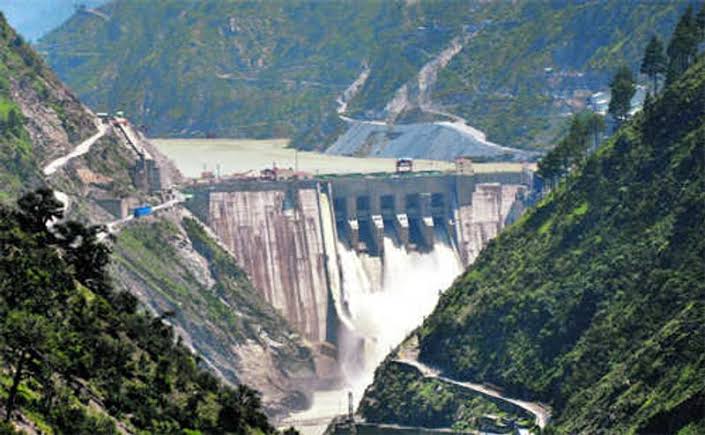
This suspension follows a formal notice issued by India to Pakistan on August 30, 2024, seeking a review and modification of the IWT under Article XII(3). India cited “fundamental and unforeseen” changes in circumstances, including demographic shifts, environmental concerns, the need for clean energy development, and the impact of cross-border terrorism. The notice also addressed ongoing disputes over hydroelectric projects like Kishanganga and Ratle .
The suspension of the IWT has raised concerns about potential water shortages in Pakistan, as the treaty governs the sharing of waters from the Indus River system. Pakistan relies heavily on these waters for agriculture, which constitutes a significant portion of its economy. Any disruption in water supply could severely impact crop production and food security. However, the full extent of the impact remains to be seen, and both countries have yet to engage in direct negotiations to address the situation.
In summary, the suspension of the Indus Waters Treaty marks a significant escalation in tensions between India and Pakistan, with potential implications for water security and regional stability. The situation remains fluid, and developments are ongoing.