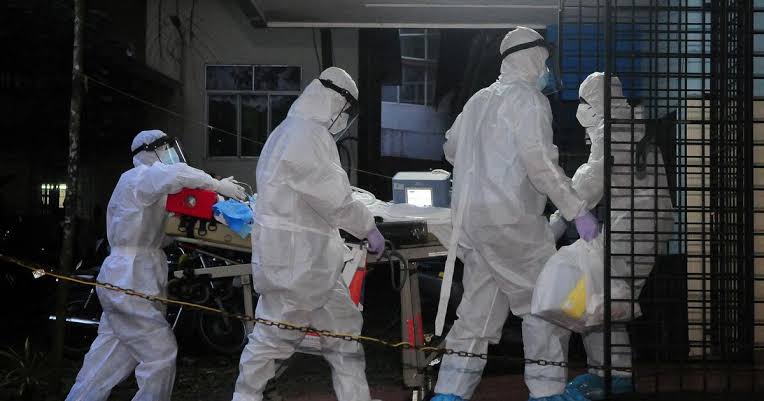
Kozhikode, Kerala – A 39-year-old Nipah-positive patient, a native of Thachanattukara, who was receiving treatment at Perinthalmanna’s Moulana Hospital, has been successfully transferred to the Kozhikode Medical College Hospital. The shift was carried out with extreme caution in a ventilator-equipped ambulance, and the patient has been admitted to the specialized Nipah ward at the medical college.
This development comes as health authorities in Kerala grapple with a fresh Nipah virus outbreak, with proactive measures being implemented across affected districts.
Contact Tracing and Surveillance:
Medical sources indicate that among the 99 individuals identified in the primary contact list of the 39-year-old patient, a ten-year-old girl from the same locality has been admitted to Manjeri Medical College with mild fever symptoms. Doctors have reported her condition as satisfactory, and her samples have been sent for testing.
Meanwhile, stringent security measures continue to be enforced in the containment zones declared in Thachanattukara and Karimpuzha Panchayats, as authorities work to prevent further spread of the virus.
Statewide Situation and Health
Department Directives:
Kerala Health Minister Veena George has confirmed that a total of 425 individuals are currently on the Nipah contact list across the state. This comprehensive list includes contacts from various districts, with the highest numbers reported in Malappuram, Palakkad, and Kozhikode. Five patients currently undergoing treatment in Malappuram are in the Intensive Care Unit (ICU), highlighting the serious nature of some cases.
In a high-level meeting convened by the Health Department today, a crucial directive was issued to initiate “fever surveillance” in all Nipah-affected areas. This proactive measure aims to identify new cases early and facilitate prompt intervention, thereby bolstering the state’s efforts to contain the outbreak.
The health department continues to closely monitor the situation, implementing protocols to manage suspected cases, conduct extensive contact tracing, and raise public awareness about preventive measures against the Nipah virus.