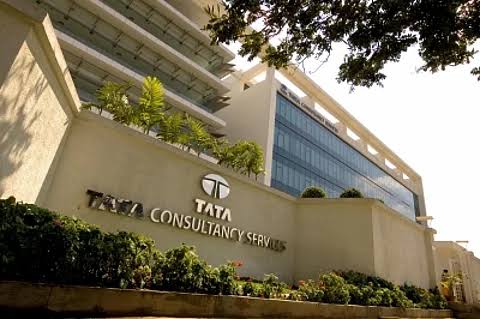
Mumbai, India – Tata Consultancy Services (TCS), India’s leading IT services giant, is embarking on a significant workforce restructuring that will see approximately 12,000 employees, primarily from middle and senior management, impacted by the end of fiscal year 2026 (March 2026). This move, representing about 2% of its global workforce, is a strategic imperative to foster a “more agile and future-ready” organization in the face of rapid technological shifts and evolving operational models, according to an exclusive interview with Moneycontrol featuring TCS Chief Executive Officer K. Krithivasan.
As of June 2025, TCS boasts a formidable global headcount of around 613,000 employees. The decision to reduce this by 2% translates to roughly 12,200 individuals. While acknowledging the difficulty of such a decision, Krithivasan emphasized its necessity for building a stronger TCS aligned with future business demands.
He clarified that this workforce reduction is not solely driven by AI-led job displacement or cost-cutting measures. Instead, the primary rationale lies in addressing the evolving skill landscape and the challenges in effectively redeploying talent whose current roles may no longer be in sync with the company’s strategic trajectory. Krithivasan highlighted TCS’s substantial investment in upskilling and internal career opportunities for its employees, but admitted that some roles have proven difficult to redeploy effectively.
The restructuring is part of a comprehensive strategy that includes several key initiatives:
- Investments in Emerging Technologies: A strong focus on adopting and integrating cutting-edge technologies.
- Expansion into New Markets: Venturing into new geographical areas to capture growth opportunities.
- Large-Scale Deployment of AI: Leveraging artificial intelligence extensively across its operations.
- Revamp of Infrastructure and Workforce Model: Modernizing its operational backbone and adapting its talent deployment.
TCS’s strategic aim is to shift towards delivering higher-value services and expanding into new territories, while simultaneously enhancing operational efficiency.
The company has assured all stakeholders that the transition will be managed with utmost care to ensure no disruption to client service delivery. For the affected employees, TCS plans to provide comprehensive support packages, including notice period pay, severance benefits, extended insurance coverage, and outplacement services to assist them in their career transitions.
This strategic realignment by TCS reflects a broader industry trend where IT services firms are proactively adapting to disruptive technological advancements, particularly the acceleration of generative AI. It also highlights the shifting nature of work within the IT sector, where the emphasis is increasingly on future-aligned skills and the ability to pivot rapidly in a dynamic market. While TCS leadership has stated that AI is not directly replacing jobs, the emphasis on skill gaps and the inability to redeploy certain roles underscores the transformative impact of these technological shifts on the workforce.
The decision comes amidst increasing scrutiny on the IT sector’s workforce management. Recently, TCS also revised its “bench policy,” effective June 12, 2025, requiring associates to log at least 225 billable days annually with a maximum of 35 non-billable “bench” days. Prolonged unallocated periods under this new policy may affect compensation, promotions, overseas postings, or even employment continuity. This policy, along with reports of delayed onboarding for some lateral hires, had already drawn concerns from employee groups. However, TCS maintains that these are all part of a larger strategy to optimize productivity and align talent with evolving client needs and industry demands.