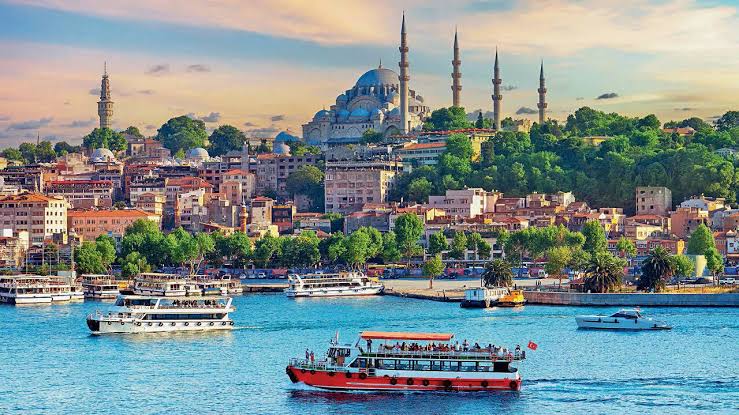
NEW DELHI – Turkey’s tourism industry is facing significant losses as a growing number of Indian travellers are cancelling trips and avoiding new bookings in protest of the country’s supportive stance towards Pakistan on issues concerning India, particularly Kashmir. This collective action by Indian tourists is a direct response to Turkey’s perceived anti-India position during recent geopolitical events, including “Operation Sindoor.”
Once a burgeoning destination for Indian tourists, Turkey is now struggling to attract visitors from the subcontinent. The backlash gained momentum after Turkish support for Pakistan became evident, leading to widespread online campaigns with hashtags like #BoycottTurkey. Major Indian travel agencies have also heeded the call, ceasing to promote Turkish travel packages.
Key Data and Figures:
- Sharp Decline in Tourist Numbers: According to official data from Turkey’s Ministry of Culture and Tourism, the number of Indian visitors has seen a steep drop. In June 2025, only 24,250 Indian tourists visited Turkey, a sharp 36% decline compared to June 2024, when the number stood at 38,307. A similar trend was observed in May 2025, with a 24% year-on-year drop.
- Significant Financial Impact: India’s tourism market is a crucial revenue stream for Turkey. In 2024, approximately 3.3 lakh Indian tourists visited Turkey, contributing an estimated $350-400 million (around ₹3,000 crore) to its economy. Indian travellers typically spend an average of $1,200-$1,500 per trip, and this spending accounts for a significant portion of Turkey’s GDP, which relies heavily on tourism.
- Travel Industry’s Position: Leading online travel agencies in India, such as MakeMyTrip and EaseMyTrip, have publicly declared their decision to stop promoting Turkey as a travel destination. Nishant Pitti, the co-founder of EaseMyTrip, has been particularly vocal, emphasizing a “Nation First, Business Later” policy and urging Indians to prioritize travel to countries that respect India’s national interests. The sentiment has led to a noticeable shift in travel choices, with many Indians now opting for destinations like Russia, Vietnam, Singapore, and Dubai.
The tourism boycott highlights a new form of diplomatic pushback from India. The significant financial consequences for Turkey’s tourism sector could potentially pressure its government to re-evaluate its foreign policy stance and its relationship with both India and Pakistan.