Wellington, New Zealand —
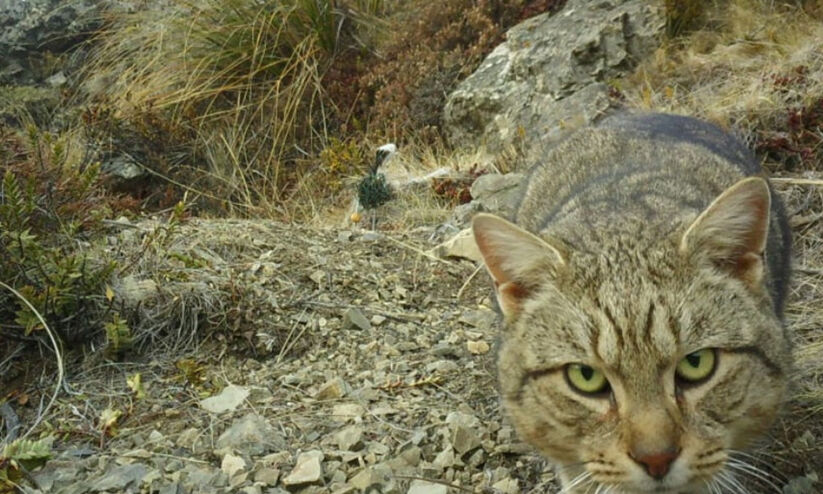
New Zealand has announced an ambitious and controversial plan to eradicate more than 2.5 million feral cats by the year 2050, marking the first major expansion of its Predator Free 2050 programme since its launch. The decision was confirmed by Conservation Minister Tama Potaka, who described feral cats as “stone-cold killers” responsible for severe biodiversity loss across the country.
Under the updated strategy, feral cats will join the list of targeted invasive predators, which currently includes possums, stoats, and rats. The government said the move will pave the way for coordinated, nationwide culling operations, increased funding for control measures, and new research into effective eradication techniques.
Environmental Impact
Authorities estimate that more than 2.5 million feral cats roam New Zealand’s forests, grasslands, and offshore islands. Conservationists say the animals are responsible for widespread destruction of native wildlife, including birds, reptiles, insects, and critically endangered species.
Recent reports highlighted stark examples of ecological damage, including the killing of more than 100 short-tailed bats in a single week and the near-extinction of the southern dotterel (pukunui). Officials argue that without strong intervention, several native species could disappear permanently.
Eradication Methods and Timeline
A detailed removal strategy is expected to be published in March 2026. Methods under consideration include poisoned “sausage” baits, automated poison-spray devices activated by cat movement, and potential future genetic technologies.
The government emphasised that domestic pet cats will not be targeted, though new regulations — such as mandatory microchipping, desexing, and restrictions on outdoor roaming — may be introduced to prevent pets from being mistaken for feral animals.
Public Response and Concerns
The move marks a significant policy reversal. Previous governments had avoided adding cats to the predator list due to public affection for the animals and concerns about welfare and ethics.
Animal-welfare organisations have raised alarms over the possible use of poison and large-scale culling operations, urging authorities to ensure humane practices. Pet owners also fear accidental harm to domestic cats during eradication programmes.
Despite criticism, the government maintains that the plan is essential to protect New Zealand’s unique ecosystem and safeguard vulnerable species from further decline.