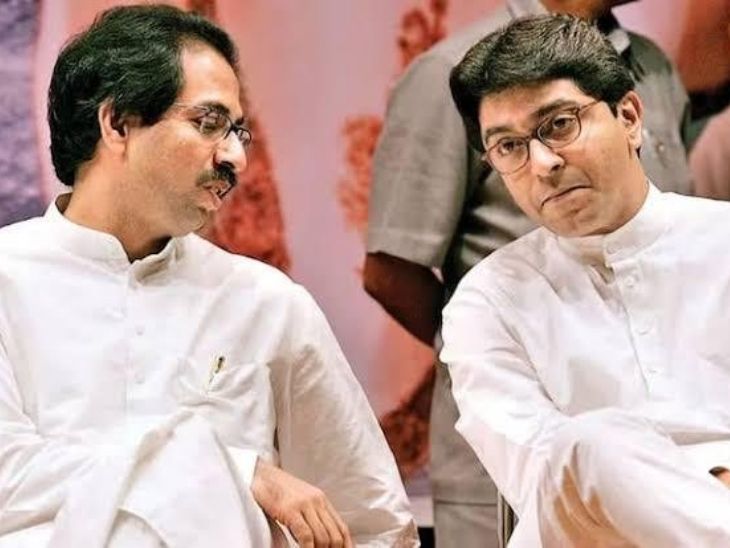
Mumbai / Maharashtra – December 24, 2025
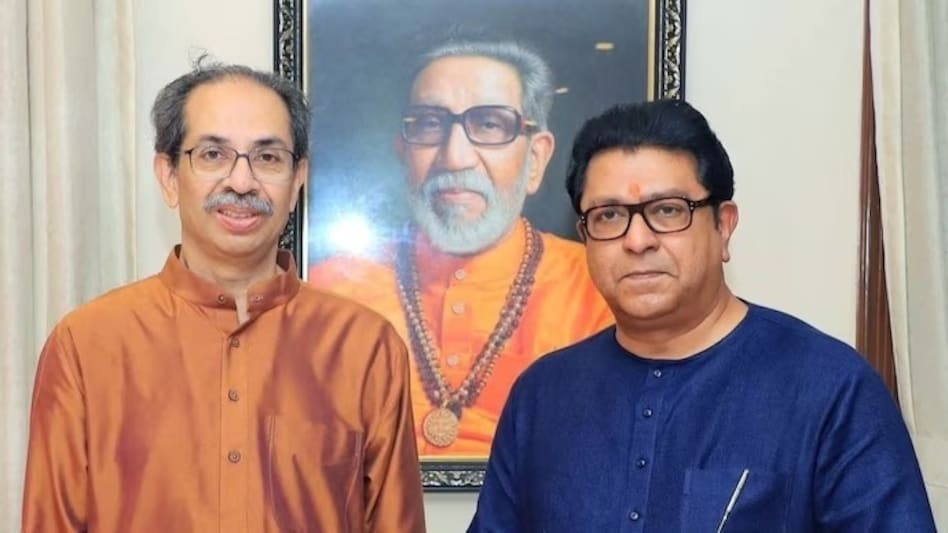
After years of political estrangement, cousins Uddhav Thackeray and Raj Thackeray have formally announced a strategic political alliance ahead of the upcoming Brihanmumbai Municipal Corporation (BMC) elections and other municipal polls across Maharashtra.
In a joint press conference in Mumbai, the leaders of Shiv Sena (Uddhav Balasaheb Thackeray faction – UBT) and the Maharashtra Navnirman Sena (MNS) declared they will contest the January 15 civic elections together, ending a prolonged period of rivalry.
A key theme of their announcement was Marathi identity and unity — a message aimed at consolidating Marathi votes and preventing divisions that could weaken their political influence in the city.
Marathi Identity and the Mayoral Promise
Raj Thackeray asserted emphatically that “Mumbai’s mayor will be Marathi and will be ours”, signaling that the alliance aims to ensure that the most prestigious civic post in India’s financial capital remains with leaders rooted in local Maharashtrian identity.
Both leaders appealed directly to Marathi voters. Uddhav highlighted the historical contributions of their family and earlier movements for Maharashtra’s unity, urging that Marathi interests should stay united and not splinter under pressure.
Seats and Scope of the Alliance
While the parties have publicly committed to the collaboration, they initially refrained from disclosing detailed seat-sharing numbers for the BMC polls. However, reports suggest that a deal has been finalized with Shiv Sena (UBT) contesting around 145–150 wards and MNS contesting approximately 65–70 wards within Mumbai’s civic body.
The alliance is expected to extend beyond Mumbai, with joint campaigns anticipated in other civic bodies including Kalyan-Dombivli, Mira-Bhayander, Nashik, Thane, and Pune, as confirmed by party leaders.
Political Implications
This development marks a significant re-alignment in Maharashtra’s political landscape. The shared platform of two powerful regional leaders — historically at odds — underscores growing emphasis on regional and linguistic identity politics against a backdrop of national party influence.
Their united front is widely seen as an effort to counter what they describe as attempts by other political forces to divide Marathi voters and dilute local representation in key urban governance bodies.
The alliance announcement, therefore, not only reshapes electoral equations for the upcoming BMC polls but may also have longer-term implications for regional politics, especially in the context of wider municipal and state elections in Maharashtra.