BHUBANESWAR / MALKANGIRI:
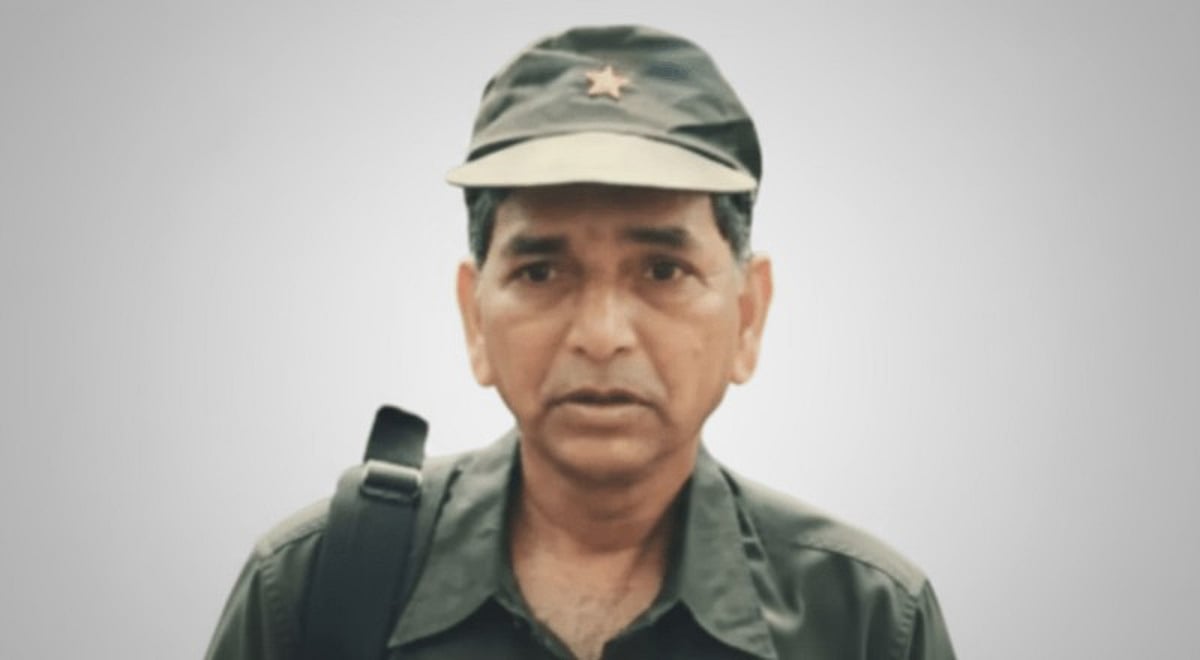
Ganesh Uike, one of Odisha’s most wanted Maoist leaders and a senior commander of the banned CPI (Maoist), was killed in an encounter with a joint force of Odisha Police and the Central Reserve Police Force (CRPF) on Tuesday. Uike was carrying a cash reward of ₹1.5 crore on his head, making him among the highest-bounty Naxalite leaders operating in eastern India.
The Encounter
According to senior security officials, the encounter took place in a dense forested region of southern Odisha, close to the Odisha–Chhattisgarh border, during a coordinated anti-Naxal operation based on specific intelligence inputs.
As security forces moved in to cordon off the area, Maoists opened fire, prompting retaliatory action. In the ensuing gun battle, Ganesh Uike was fatally shot. Weapons, ammunition, and Maoist literature were recovered from the spot.
No casualties were reported among the security personnel, officials said.
Who Was Ganesh Uike?
Ganesh Uike was a veteran Maoist leader with a long and violent history in the Naxalite movement. Security records indicate that:
- He had been active in the Maoist ranks for over two decades.
- He held key leadership positions in the Odisha–Chhattisgarh–Andhra Pradesh tri-junction region, a long-time Maoist stronghold.
- He was believed to be a member of the CPI (Maoist) Central Committee or a top regional military commander, responsible for planning major operations.
Uike was accused of masterminding and executing multiple deadly attacks on security forces, including ambushes, IED blasts, and targeted killings. He was also allegedly involved in extortion networks, arms procurement, and recruitment of tribal youth into the Maoist fold.
₹1.5 Crore Reward and Criminal Cases
Given his operational importance and the threat he posed, central and state agencies had announced a combined reward of ₹1.5 crore for information leading to his capture or elimination.
He was wanted in dozens of cases, including:
- Murder of police and CRPF personnel,
- Attacks on police stations and infrastructure,
- Destruction of roads, mobile towers, and public property, and
- Intimidation and killing of civilians suspected of being police informers.
Strategic Impact
Security officials described Uike’s killing as a major blow to the Maoist movement in Odisha, particularly in the southern districts such as Malkangiri, Koraput, and Rayagada.
“He was a key strategist and field commander. His elimination will severely disrupt Maoist operational capabilities in the region,” a senior officer said.
Analysts note that the encounter fits into a broader pattern of intensified anti-Naxal operations, with improved intelligence coordination between state police, CRPF, and specialised units such as CoBRA.
Official Response
Odisha Director General of Police praised the joint forces, calling the operation a significant success in the fight against Left-Wing Extremism. Senior CRPF officials echoed the sentiment, stating that the security forces remain committed to restoring peace and development in Maoist-affected areas.
Continuing Operations
Security forces have launched combing and search operations in nearby forest zones to track down any remaining Maoist cadres who may have escaped during the encounter. Authorities have also stepped up area domination and surveillance to prevent retaliatory attacks.
The killing of Ganesh Uike marks one of the most significant counter-insurgency successes in Odisha in recent years, reinforcing the government’s claim that Maoist influence in the region is steadily shrinking.