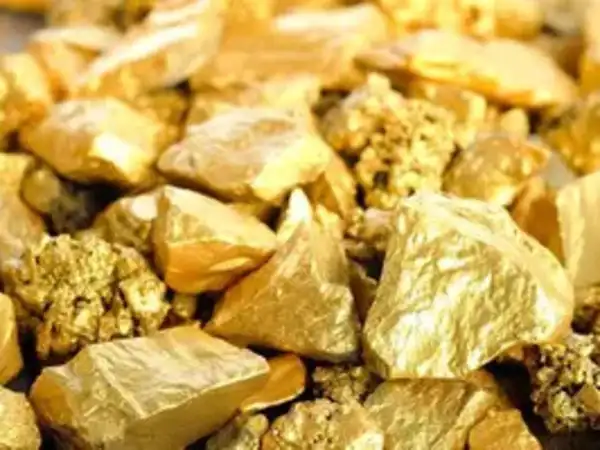
Bhubaneswar: In a significant development for India’s mineral resources, the Geological Survey of India (GSI) has confirmed the discovery of large gold reserves in six districts of Odisha. The initial estimates suggest a potential of up to 20 metric tonnes of gold, with exploration continuing in four other districts.
This discovery has been hailed as a major boost for the Indian economy and a step towards reducing its heavy reliance on gold imports.
Key Highlights of the Discovery:
- Location: The gold reserves have been confirmed in six districts of Odisha, including Deogarh, Sundargarh, Nabarangpur, Keonjhar, Angul, and Koraput.
- Estimated Quantity: While the exact quantity is yet to be precisely calculated, preliminary geological indicators point to a potential of approximately 20 metric tonnes.
- Ongoing Exploration: The GSI is continuing its exploration efforts in other areas of the state, including Mayurbhanj, Malkangiri, Sambalpur, and Boudh, to identify further reserves.
- Mining Plans: The Odisha government has already initiated plans to auction the first gold mining block in the Deogarh district, marking a historic move towards commercializing these findings.
Impact on India’s Economic and Global Standing
This discovery holds immense potential for India, a nation that is both a major consumer and importer of gold. The new reserves could significantly contribute to India’s journey towards becoming a global economic powerhouse. - Reduced Import Dependency: India is one of the world’s largest importers of gold, with annual imports often exceeding 700-800 metric tonnes. This creates a substantial drain on the country’s foreign exchange reserves, impacting its trade balance. Domestic gold production from these new reserves could help reduce this dependency, thereby strengthening the Indian rupee and improving the current account deficit.
- Economic Growth and Job Creation: The commercial mining of these gold reserves will create new employment opportunities in the mining sector and related industries. It will also attract investments in infrastructure development, contributing to the overall economic growth of the region and the state. The Odisha government has expressed optimism that this will create a new industrial hub.
- Strengthening Forex Reserves: The Reserve Bank of India (RBI) has been aggressively accumulating gold as part of its reserves management strategy to diversify its foreign currency assets and hedge against inflation and currency risks. The new domestic production can further bolster the country’s official gold holdings, which are already among the top ten in the world. A stronger and more diversified foreign exchange reserve is a key indicator of a nation’s financial stability and global economic power.
- Influence on Global Gold Market: As India becomes a significant producer, it could influence the global gold market dynamics. This could lead to increased competition for traditional gold-exporting nations and potentially impact global gold prices. India’s growing role in the gold market, both as a consumer and producer, will enhance its strategic position on the global stage.
Challenges and the Way Forward
While the discovery is a cause for optimism, challenges remain. These include ensuring responsible and sustainable mining practices to minimize environmental impact and addressing potential issues related to land acquisition and tribal rights. The government’s ability to manage these aspects will be crucial for the successful and equitable utilization of this “golden opportunity.” The focus will now be on the detailed exploration and a transparent auctioning process to ensure that these valuable resources are effectively utilized for the benefit of the nation.