Dhaka, Bangladesh — As the countdown intensifies toward the February 2026 national elections, a new political force — the Bangladesh Minority Janata Party (BMJP) — is emerging to represent the country’s religious minorities and seek a larger space in Bangladesh’s fractious political arena.
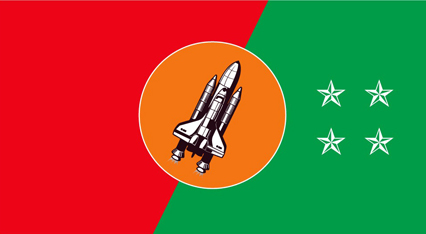
Officially registered with the Bangladesh Election Commission (EC) on April 9, 2025, after a court order directed the EC to grant its status, BMJP became one of the relatively few parties in the country explicitly dedicated to minority interests. The party was assigned the electoral symbol of a “rocket.”
Political Mission and Base
Founded in 2017 with the aim of addressing the social, economic, and political marginalization of religious minority communities — including Hindus, Christians, and Buddhists — BMJP positions itself as a secular, minority-focused alternative to mainstream Bangladesh politics.
Party leaders argue that minorities in Bangladesh, who number in the tens of millions, have long lacked strong, independent political representation. They claim BMJP has grassroots support at local levels and is working to translate that into parliamentary influence.
Scope in the 2026 Election
With elections approaching, BMJP has expressed ambitions to field candidates in a significant number of constituencies — reportedly targeting parts of nearly one-third of all seats where minority populations are sizeable. The party’s leadership has indicated they may contest up to 90 out of 300 parliamentary seats, aiming for meaningful representation and negotiation leverage.
However, several key challenges lie ahead:
- Political Fragmentation: Bangladesh’s political arena remains highly competitive, with major parties like the Bangladesh Nationalist Party (BNP) — recently reinvigorated by the return of its acting chairman — dominating national discourse.
- Mainstream Alliances: To increase its electoral impact and ensure safety for minority voters, BMJP has signaled interest in alliances with larger parties, including BNP or even Islamist parties, though formal agreements have not yet been widely reported.
- Secular Versus Islamist Dynamics: Other political forces, such as Jamaat-e-Islami and its allied groups, are active on the national stage, campaigning for referendum reforms and other constitutional changes.
Broader Minority Political Landscape
While BMJP focuses on political representation, other minority advocacy groups also press for institutional reforms. For example, the Bangladesh Jatiya Hindu Mohajote has demanded reserved parliamentary seats and even separate elections for minorities — proposals that underscore deeper questions about electoral inclusion and representation.
The growing diversity of political voices reflects tensions over identity, security and democratic participation. Reports of targeted attacks and discrimination against religious minorities have added urgency to calls for stronger protections and inclusive governance.
Outlook
BMJP’s entry into national politics symbolizes a broader shift in Bangladesh’s political discourse: from traditional major party dominance to a more pluralistic environment where specialized, issue-based parties can seek seats and influence. Its success will depend on organizational strength, alliance building, and the broader electorate’s appetite for change.
As the election nears, the party’s performance will be closely watched as a gauge of minority political engagement and the health of Bangladesh’s democratic processes.