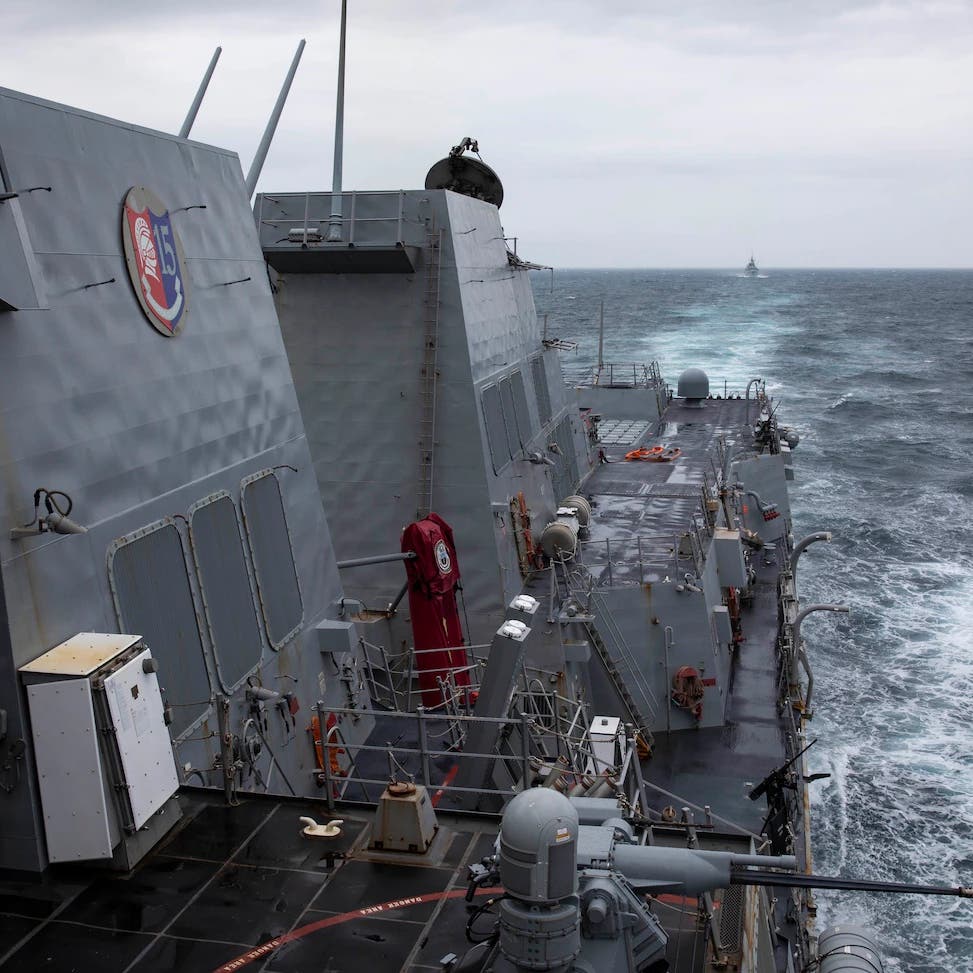
Tehran — Iran has sharply escalated tensions with Canada by officially designating the Royal Canadian Navy (RCN) as a “terrorist organisation”, describing the move as retaliation for Ottawa’s decision to blacklist Iran’s Islamic Revolutionary Guard Corps (IRGC).
Official Announcement
Iran’s Foreign Ministry said the decision was taken on 30 December 2025, adding the Royal Canadian Navy to its national list of terrorist entities. Tehran described the step as a reciprocal and lawful response to Canada’s June 2024 designation of the IRGC under its anti-terrorism laws.
Iran maintains that the IRGC is an official branch of its armed forces, and argued that Canada’s action was illegal, politically motivated, and in violation of international law, including the principle of state sovereignty. The ministry said the retaliation was carried out under Iran’s 2019 legislation allowing counter-measures against foreign terrorist listings.
Background: Canada’s IRGC Designation
Canada formally listed the IRGC as a terrorist organisation in June 2024, citing:
- Human rights violations
- Support for militant groups abroad
- Activities that undermine regional and global security
The designation criminalised any financial or material support for the IRGC and expanded restrictions on individuals linked to the organisation.
Diplomatic Context
- Canada and Iran have no diplomatic relations since 2012.
- Relations deteriorated further following Canada’s support for Western sanctions and its stance on Iran’s regional military activities.
- Iranian officials say countries adopting U.S.-aligned policies on the IRGC should expect “reciprocal consequences.”
Impact and Implications
While the Iranian designation is largely symbolic and carries no immediate legal consequences outside Iran, analysts say it:
- Deepens diplomatic hostility between Tehran and Ottawa
- Reflects a growing trend of tit-for-tat terrorism designations between states
- Highlights unresolved international disputes over whether state military forces can be legally classified as terrorist organisations
International Reaction
Western governments have so far treated Iran’s move as political messaging rather than a practical security threat. However, observers warn that such actions contribute to rising geopolitical polarisation and complicate future diplomatic or multilateral engagement involving Iran.
Bigger Picture
The episode underscores broader tensions between Iran and Western nations over sanctions, military influence in the Middle East, and differing interpretations of international law. Experts note that reciprocal terrorism listings risk diluting the legal meaning of terrorism while hardening political divides.