Here’s a detailed, multi-source summary of the rapidly evolving situation in Iran, based on reporting and commentary from U.S., UK, Middle East, and international outlets, including Reuters, AP, Sky News, CBS News, The Jerusalem Post, and others.
Nationwide Internet & Phone Blackout — Government Crackdown
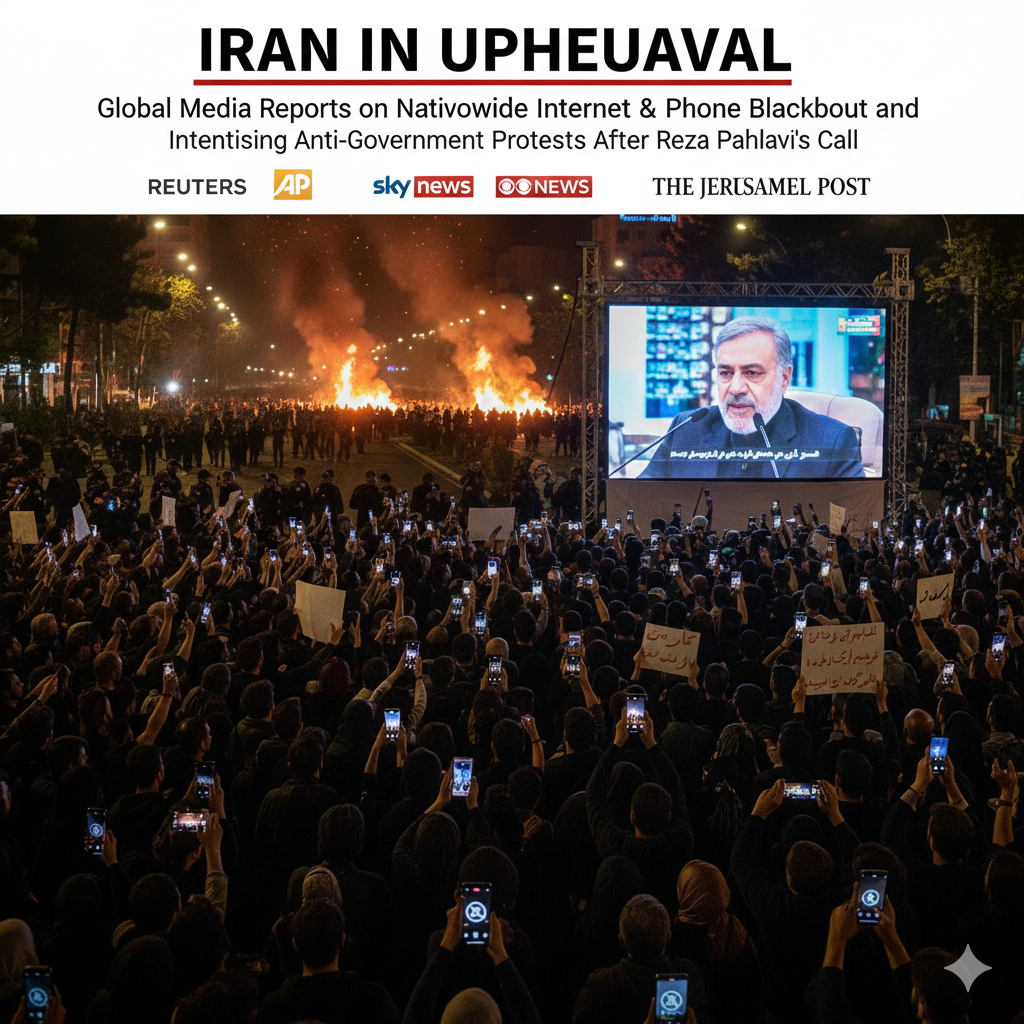
Authorities in Iran have shut down internet access and telephone communications nationwide, a dramatic move widely interpreted by international monitors as an attempt to stifle protest organization and block information flow.
- Internet monitoring groups such as NetBlocks reported a near-total blackout, with connectivity collapsing across major networks shortly after protests intensified.
- Attempts to make phone calls, including international calls into Iran, were also disrupted.
This blackout follows a familiar pattern: Tehran has historically cut communications during unrest to hinder dissent and control narratives.
Mass Protests Across the Country
Protests, now entering their twelfth consecutive day, have spread to nearly all of Iran’s provinces, with tens of thousands taking to the streets in major cities including Tehran, Mashhad, Isfahan, Shiraz, and others.
- Demonstrators are demanding political change, economic relief, and an end to theocratic rule, chanting slogans like “Death to the dictator” and “Death to the Islamic Republic.”
- According to Reuters and CBS News, protests have been unprecedented in scale since the 2022 Mahsa Amini unrest, pushing the government to drastic measures.
- The Wall Street Journal reports strikes and demonstrations including oil workers, students, and merchants, often met with force.
Reza Pahlavi’s Role and Calls for Action
Exiled Crown Prince Reza Pahlavi, son of the last Shah of Iran, has played a visible role in encouraging nationwide demonstrations, calling on people to protest and urging unity against the clerical regime.
- Pahlavi condemned the government’s communication blackout and appealed to international leaders — including European governments and the United States — to support the people of Iran.
- He has used social media and statements to rally Iranians, emphasizing that continued repression will not quell demands for freedom and human rights.
While Pahlavi has no formal leadership inside Iran, his call for protests appears to have coincided with some of the most expansive demonstrations seen in the country in recent years.
Clashes, Arrests, and Casualties
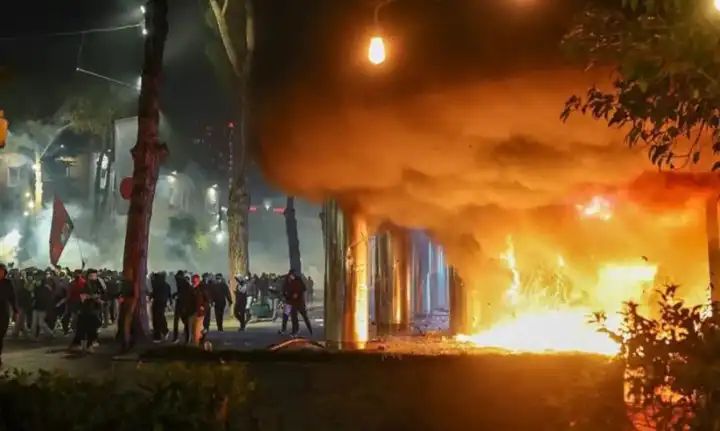
International media and rights groups report heavy clashes between security forces and protesters, with rising casualties and widespread detentions.
- Reports from independent activists and monitoring groups estimate dozens of deaths and thousands detained nationwide amid fierce crackdowns.
- The Jerusalem Post and others note that rights organizations like Amnesty International and Human Rights Watch have condemned the government’s violent response.
- Reuters and other outlets highlight clashes in various cities where protesters confront riot police and paramilitary units.
International Reactions and Geopolitical Context
The crisis in Iran has drawn sharp reactions from political figures and foreign governments:
- Sky News UK and AP News highlight warnings from abroad, with former U.S. President Donald Trump threatening strong action if Tehran uses lethal force against demonstrators.
- European and Middle Eastern media coverage notes how economic malaise — including inflation, currency decline, and unemployment — has fueled public resentment and deepened the crisis.
At the same time, Tehran’s government publicly calls for restraint by security forces while blaming unrest on foreign interference and “rioters”, though these claims are widely disputed by international observers.
Analysis: Why Internet Blackouts Matter
Cutting internet and phone services during mass protests is a strategy aimed at restricting the flow of information, interrupting coordination among demonstrators, and controlling domestic narratives.
- This tactic has been used before during major Iranian unrest, including in 2019 and 2022, with devastating consequences for communication and human rights.
By denying connectivity, the government effectively isolates communities internally and externally, complicating independent reporting and crisis response efforts.
Summary
Iran is in the midst of a far-reaching civil unrest, marked by nationwide protests, violent crackdowns, and a full internet and phone blackout in response to calls for action by exiled Crown Prince Reza Pahlavi. Demonstrations driven by economic frustrations and deep political grievances have turned into one of the largest challenges to the theocratic regime in years, attracting global media attention, international condemnation, and geopolitical concern.