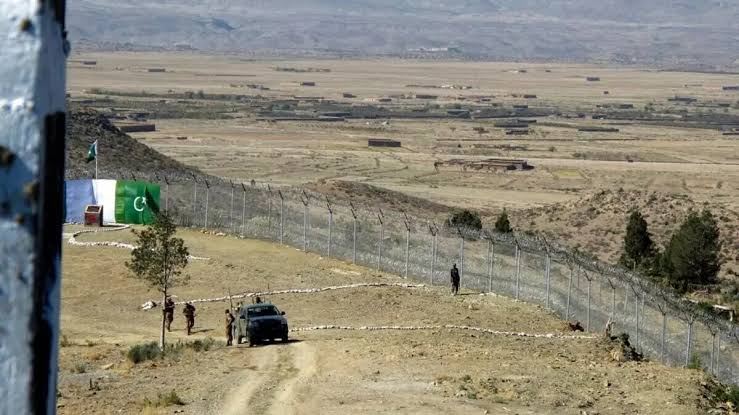
The Durand Line is one of the most disputed borders in South Asia. It forms the 2,640-kilometre boundary between Afghanistan and Pakistan, but Afghanistan has never formally recognized it as an international border. This dispute remains one of the key reasons for recurring tensions between the two countries.
How the Durand Line Was Created
The Durand Line was established in 1893 through an agreement between British India and Afghanistan.
The agreement was signed by:
- Mortimer Durand, the Foreign Secretary of British India
- Abdur Rahman Khan, the ruler of Afghanistan at the time
The agreement aimed to define the spheres of influence between British India and Afghanistan, creating a boundary that later became the modern border between Afghanistan and Pakistan.
The Dispute After Pakistan’s Creation
After the creation of Pakistan in 1947, the border dispute intensified.
Afghanistan argued that:
- The Durand Line agreement was signed with British India, not Pakistan.
- Therefore, a new agreement should have been negotiated after Pakistan became an independent state.
For this reason, Afghanistan has continued to refuse official recognition of the border.
The Pashtun Population Issue
One of the major consequences of the Durand Line was the division of the Pashtun ethnic population between two countries.
Large Pashtun communities live in:
- Khyber Pakhtunkhwa in Pakistan
- Southern and eastern regions of Afghanistan
Some Pashtun political movements have historically demanded the creation of an independent state called Pashtunistan.
Security Challenges Along the Border
The Durand Line region has long been a hotspot for security challenges.
Major issues in the area include:
- militant activity
- cross-border attacks
- smuggling networks
Pakistan has particularly expressed concern about activities linked to Tehrik -Taliban Pakistan (TTP), which Islamabad says operates from bases across the Afghan border.
Controversy Over Border Fencing
Pakistan has built a security fence along large sections of the Durand Line to control militant movement.
Pakistan’s position:
- The fencing is necessary for national security and border control.
Afghanistan’s position:
- The fence attempts to legitimize a border that Kabul does not recognize.
The Situation Today
Today, the Durand Line issue continues to influence relations between Afghanistan’s Taliban-led administration and the government of Pakistan.
Security experts believe that:
“Without a long-term solution to the Durand Line dispute, lasting peace between Afghanistan and Pakistan will remain difficult.”