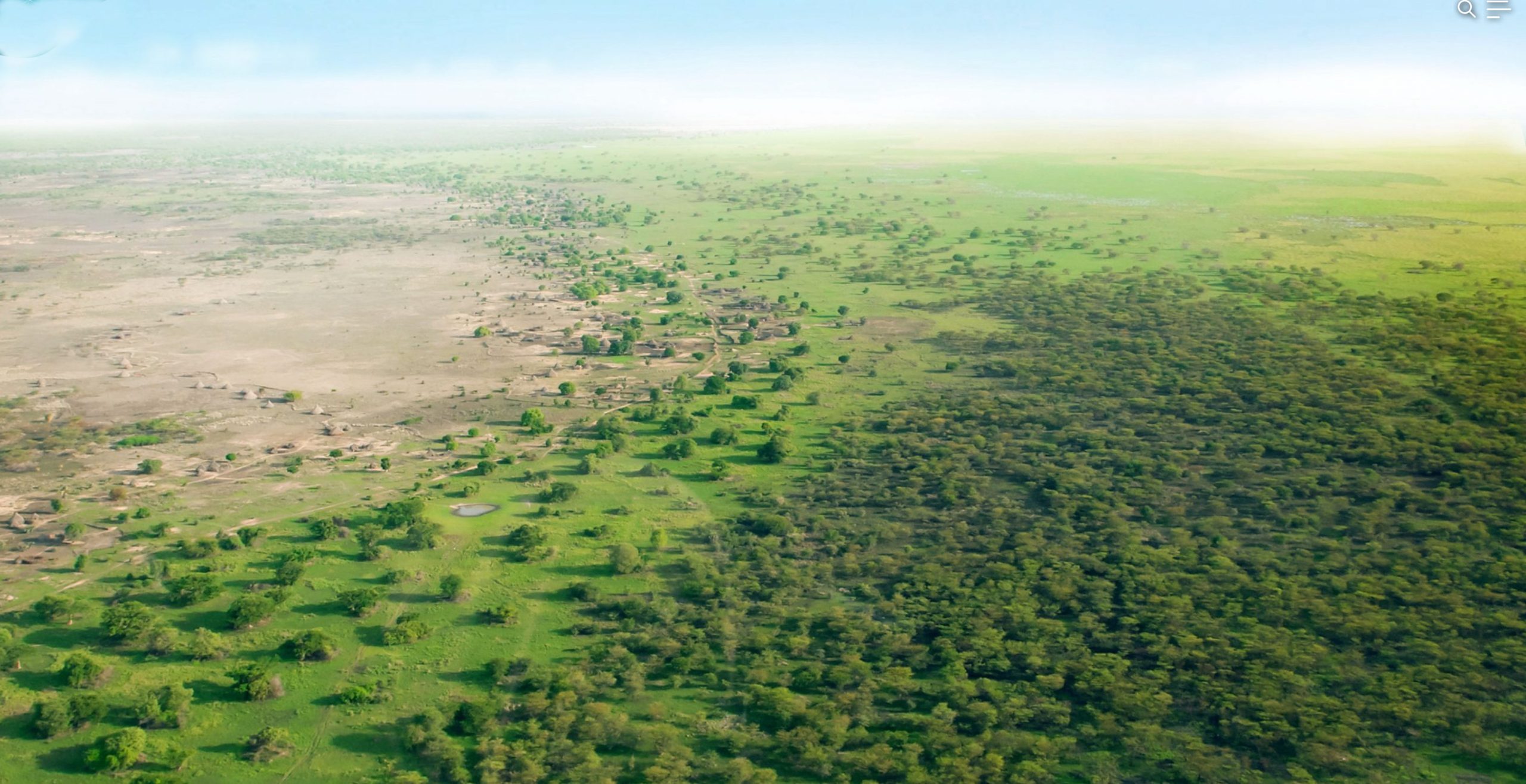
The Great Green Wall: Africa’s Quiet Revolution Against the Climate Crisis
Part 1: When the Desert Advanced, People Planted Hope
By C Mahesh
“When the desert kept advancing, Africa did not answer with concrete walls or weapons. Instead, it responded with trees, restoring land, livelihoods, and hope. The Great Green Wall is one of the world’s most ambitious environmental restoration projects.”
The scorching sun blazes overhead. The horizon is empty—no trees, no greenery, only an endless sea of sand. The wind brings no relief from the heat; instead, it drives fine grains of sand into people’s faces. Fields that once yielded crops have turned into cracked, barren earth. Wells have dried up. Livestock struggle to find pasture. Young people are leaving their villages for cities and foreign countries in search of a better future.
This is not a fictional story. It is the daily reality for millions of people living in Africa’s Sahel region.
Yet amid this despair, a bold vision emerged: to fight the advancing desert not with machines or weapons, but with trees. That vision is now known around the world as the Great Green Wall.
The Sahel: Where the Desert Meets Life
The word Sahel, derived from Arabic, means “shore” or “edge.” It refers to the vast transitional zone between the Sahara Desert and the savanna grasslands of sub-Saharan Africa. Stretching nearly 8,000 kilometres from Senegal on the Atlantic coast to Djibouti on the Red Sea, the Sahel spans one of the world’s most climate-vulnerable regions.
The initiative primarily covers 11 countries:
- Senegal
- Mauritania
- Mali
- Burkina Faso
- Niger
- Nigeria
- Chad
- Sudan
- Eritrea
- Ethiopia
- Djibouti
Rainfall is extremely limited, with many areas receiving only 200 to 600 millimetres annually. Unpredictable rainfall makes farming increasingly difficult and risky.
The Background to an Environmental Crisis
During the 1970s and 1980s, the Sahel endured some of the worst droughts in recorded history. Millions of people faced hunger, livestock died in large numbers, and agricultural production collapsed. The humanitarian disaster brought global attention to the growing threat of desertification.
Scientists later concluded that declining rainfall alone was not responsible. Deforestation, overgrazing, unsustainable farming practices, soil degradation, and climate change combined to reduce the land’s productivity and accelerate environmental decline.
The Birth of an Idea
African scientists and environmentalists first proposed the idea of creating a “green wall” across the continent during the 1980s. The concept became an official continental initiative in 2007, when the African Union launched the Great Green Wall for the Sahara and the Sahel Initiative (GGWSSI).
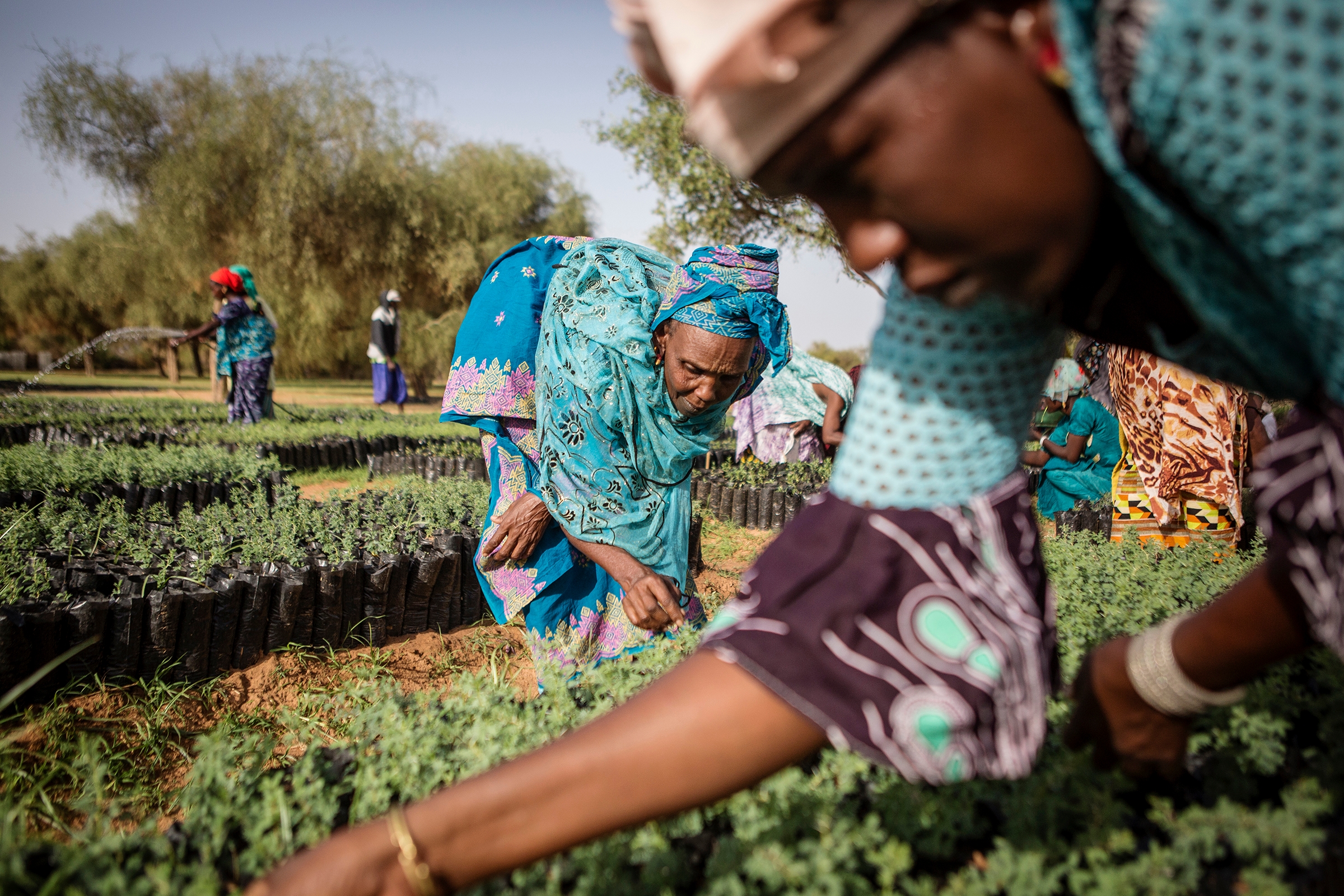
Originally envisioned as a continuous belt of trees stretching across Africa, the project gradually evolved into a broader landscape restoration programme. Today, it combines sustainable agriculture, ecosystem restoration, water conservation, and community development to improve both the environment and rural livelihoods.
More Than a Wall of Trees
Despite its name, the Great Green Wall is not a single line of trees.
Instead, it is a vast “green mosaic” made up of restored farmland, naturally regenerated forests, protected grasslands, water-harvesting systems, and community-led development projects spread across the Sahel.
Targets for 2030
The initiative aims to:
- Restore 100 million hectares of degraded land.
- Sequester 250 million tonnes of carbon.
- Create 10 million green jobs.
- Improve food security and strengthen the livelihoods of rural communities.
Progress So Far
According to the latest consolidated estimates:
- Around 18 million hectares of degraded land have been restored.
- Approximately 350,000 jobs have been created.
- More than US$19 billion has been mobilised from multilateral and bilateral partners to support the initiative.
However, experts say substantially greater investment will be needed if the Great Green Wall is to achieve its ambitious 2030 goals.
Sources
This article is based on information published by the African Union Great Green Wall Initiative (GGWSSI), the United Nations Convention to Combat Desertification (UNCCD), the Food and Agriculture Organization of the United Nations (FAO), the World Bank, and the United Nations Environment Programme (UNEP), along with publicly available reports on land restoration and climate resilience in the Sahel region.
(To be continued…)