C Mahesh
Part 2: Senegal – A Nation’s Green Commitment
Travel through the northern regions of Senegal in West Africa, and local people will still recall a time when vast stretches of dry, barren land extended as far as the eye could see. Rainfall declined, crops failed, and livestock struggled to find fodder. Sandstorms engulfed villages, and it seemed as though the desert was slowly advancing southward.
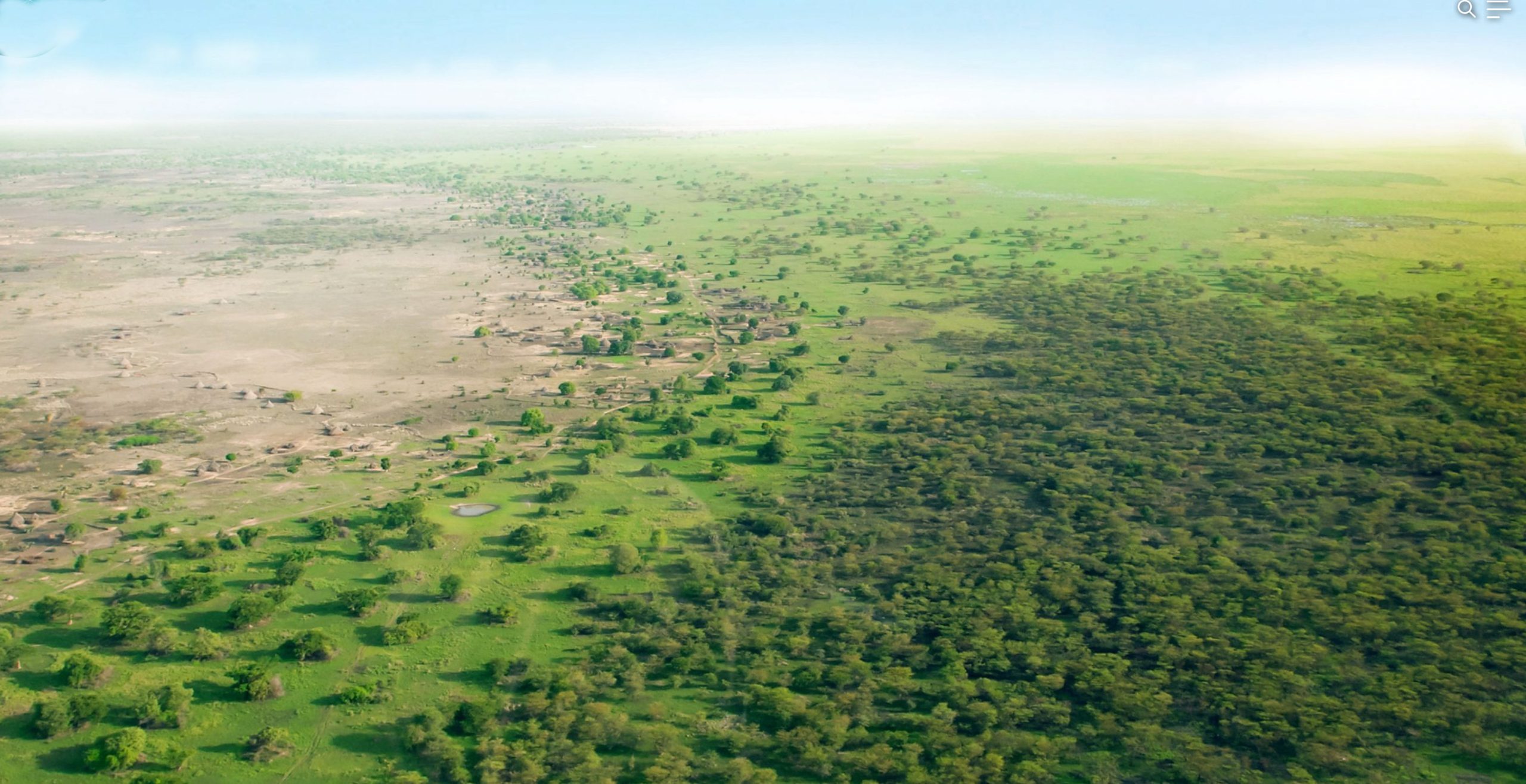
Today, however, the same landscapes tell a different story. Young trees provide shade, small water-harvesting structures help retain precious rainfall, and restored farmland is coming back to life. Rural women earn income by collecting fruits and seeds from trees, while children once again play beneath their shade. This transformation represents one of the most remarkable successes of the Great Green Wall initiative.
Why Senegal?
Senegal forms the western gateway of the Great Green Wall. Stretching from the Atlantic coast into the Sahel, the country’s northern regions are particularly vulnerable to desertification because of low rainfall and prolonged dry conditions.
Recognizing this threat, Senegal became one of the earliest countries to embrace the Great Green Wall. Since 2008, the government, local communities, and international partners have worked together to restore degraded landscapes on a large scale.
Is Planting Trees Alone Enough?
The original vision of the Great Green Wall focused on creating a continuous belt of trees across Africa. Senegal, however, reinterpreted this idea in a more holistic and locally adapted way.
Instead of simply planting trees, the country adopted strategies suited to each landscape:
- Protecting naturally regenerating vegetation.
- Constructing small pits and water-retention structures to improve rainwater infiltration.
- Planting native tree species.
- Integrating agriculture with forestry through agroforestry practices.
- Ensuring that local communities are active participants in every stage of the project.
As a result, not only were trees restored, but entire ecosystems began to recover.
The Key Tree Species Behind the Green Revival
The trees planted in Senegal are valued not merely for their beauty but for their importance to local livelihoods.
Acacia senegal – The source of the world-renowned gum arabic, widely used in the food, pharmaceutical, and manufacturing industries.
Baobab (Adansonia digitata) – Often called the “Tree of Life,” its leaves and fruits are widely used as food and in traditional medicine.
Desert Date (Balanites aegyptiaca) – A drought-resistant tree that provides valuable resources for both people and livestock.
Jujube (Ziziphus mauritiana) – Produces highly nutritious fruits and plays an important role in the rural economy.
Because these are native species well adapted to local conditions, their survival rates are significantly higher than those of non-native trees.
Women Leading the Green Revolution
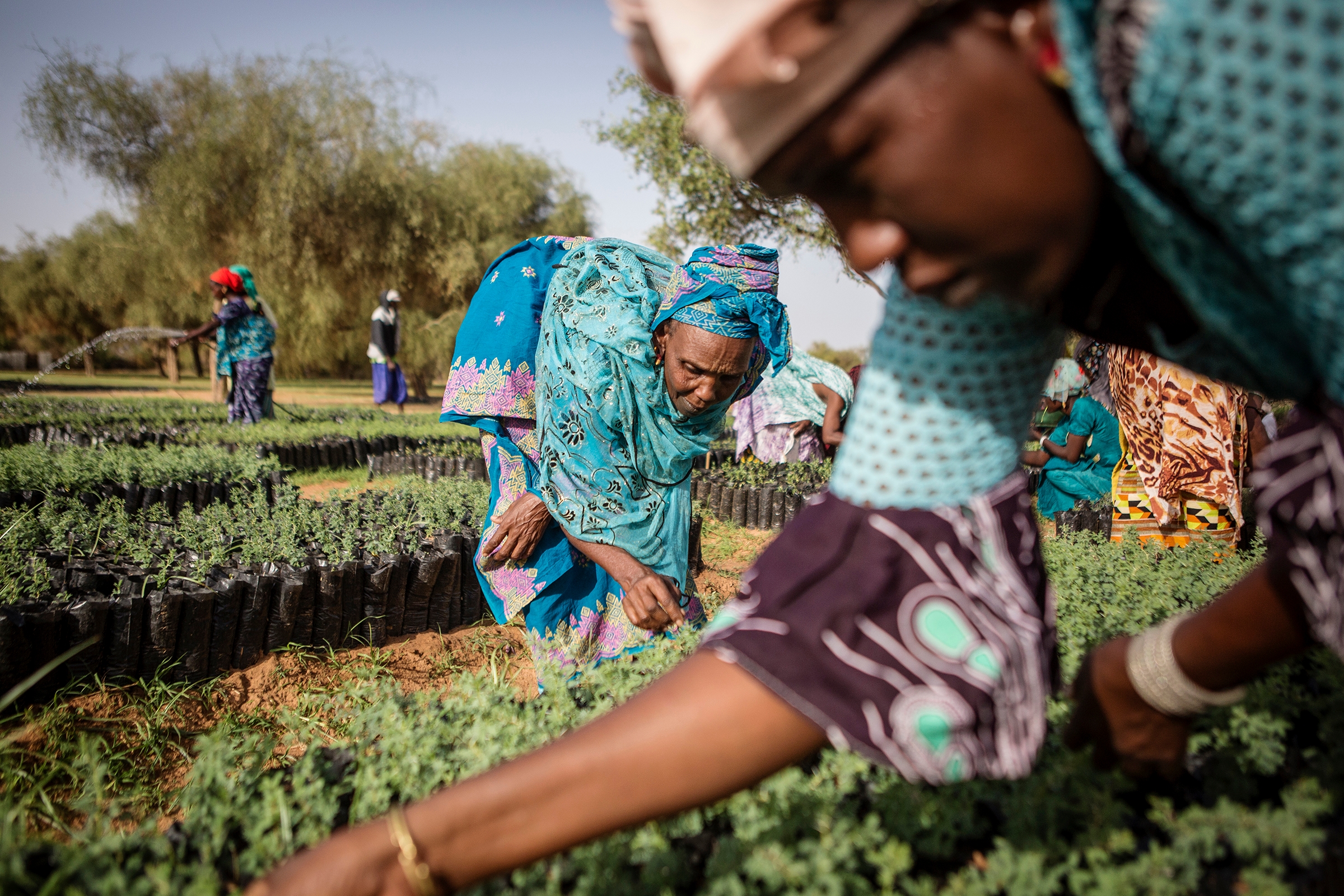
In many Senegalese villages, women are the driving force behind the Great Green Wall.
They collect fruits, seeds, and leaves from trees to produce food products and natural oils. In several communities, women also manage tree nurseries, producing hundreds of thousands of seedlings each year.
These activities not only increase household incomes but also strengthen women’s economic independence and social empowerment.
The Return of Farmers
Land that once produced little or nothing is now being cultivated again.
Tree roots stabilize the soil, fallen leaves enrich it with organic matter, and improved water retention allows moisture to remain in the ground for longer periods. As a result, yields of millet, sorghum, groundnuts, and legumes have improved.
The agroforestry approach has helped restore the natural relationship between farming and forests.
The Return of Biodiversity
As vegetation has recovered, wildlife has begun to return.
Bees once again pollinate flowering plants. Butterflies have reappeared, while small mammals and birds are becoming more common. Wildlife movement through restored landscapes is gradually increasing.
This illustrates an important truth: when a tree grows, an entire ecosystem grows with it.
Challenges Remain
Despite its achievements, Senegal continues to face significant challenges.
Prolonged droughts, increasingly unpredictable rainfall, overgrazing in some regions, and the need for sustained financial support all remain pressing concerns.
Moreover, as climate change intensifies, restoration efforts must become increasingly science-based, adaptive, and resilient.
A Lesson for the World
Senegal offers the world a simple yet powerful lesson:
“Defeating desertification requires more than advanced technology; it also depends on the knowledge, commitment, and participation of local communities.”
When a village plants a single tree, it is not merely an act of environmental restoration—it is an investment in the future of a family. When thousands of villages make the same commitment, it becomes a green revolution capable of transforming the future of an entire nation.
Senegal’s experience is living proof of that.
To be continued…
References
- Great Green Wall Initiative – African Union Commission.
- Food and Agriculture Organization (FAO) – The Great Green Wall for the Sahara and the Sahel Initiative.
- United Nations Convention to Combat Desertification (UNCCD) – Reports on the Great Green Wall and land restoration in the Sahel.
- World Bank – Publications on land restoration, agroforestry, and climate resilience in the Sahel.
- UN Environment Programme (UNEP) – Reports on ecosystem restoration and the Great Green Wall.