Kabul, Afghanistan | October 27, 2026
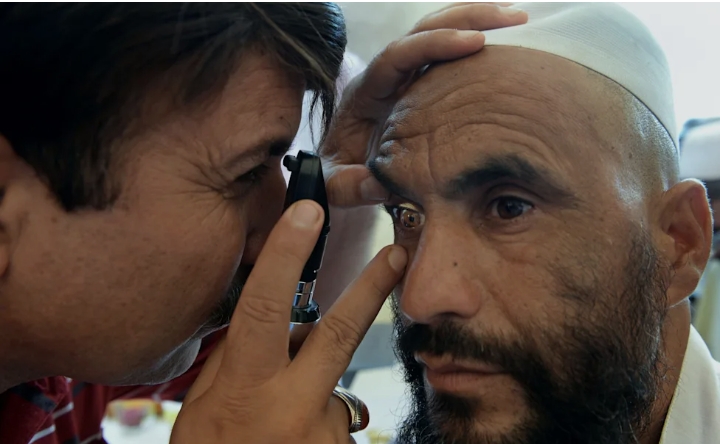
The Taliban authorities in Afghanistan have banned corneal transplant surgeries, depriving hundreds of patients of access to a treatment that could restore their eyesight, according to international media reports.
Doctors and patients told British newspaper The Telegraph that Taliban officials had ordered hospitals to stop performing the procedures, reportedly claiming that corneal transplantation was contrary to Islamic teachings. The directive has halted a recently launched charitable programme that provided free surgeries to patients in need.
Free Eye Surgery Programme Halted
Dr Noor Zaman Hashim, a pseudonym used for a doctor at Noor Eye Hospital in Kabul, told The Telegraph that the hospital had performed 90 corneal transplant surgeries in recent months before the programme was suspended following an oral order from the Taliban authorities.
The corneal transplant programme at an eye hospital in Jalalabad has also reportedly been stopped.
Doctors say the number of patients waiting for surgery continues to grow. Many are young people who have lost their eyesight in explosions, accidents and workplace incidents, including injuries sustained while welding.
Decades of conflict have severely damaged Afghanistan’s healthcare infrastructure, leaving the country with a shortage of eye specialists and donated corneas.
According to the doctors quoted in the report, the Taliban’s oral directive has made it difficult for medical professionals to continue the procedures, with the threat of punishment discouraging them from defying the order.
International Medical Charity Supported the Programme
The Association of Physicians of Pakistani Descent of North America (APPNA), a US-based charitable organisation, has supported free corneal transplant surgeries in Pakistan since 2017 using donated corneas.
The organisation expanded its programme to Afghanistan in 2026, helping facilitate more than 150 corneal transplant operations. Three Afghan eye specialists were trained in Peshawar, Pakistan, to perform the procedures.
Dr Fuad Zafar, who oversees the transplant programme and heads the Zafar Mir Foundation in the United States, told The Telegraph that approximately 10,000 patients in Pakistan had benefited from the initiative since its launch in 2017.
The programme was expanded to Afghanistan around four months before the reported ban because hundreds of patients in the country needed corneal transplants.
The organisation has urged the Taliban authorities to lift the restriction and allow doctors to resume the operations, stressing that Afghans require greater access to specialist healthcare after decades of war.
Patients Left Waiting for Treatment
The report highlights the experiences of patients whose hopes of regaining their eyesight have been affected by the suspension.
Salamat Khan, a sugarcane juice seller in Kabul, lost his eyesight in 2023 after a gas cylinder exploded. After learning about the free corneal transplant programme, he approached a hospital and was scheduled for surgery. However, doctors later informed him that the programme had been suspended following the Taliban’s directive.
Khadija Begum, a 40-year-old woman from Jalalabad, also suffered an eye injury in an explosion. She registered for a corneal transplant at an eye hospital in the city but was subsequently told that the procedure had been prohibited on religious grounds.
Both patients were left waiting for the programme to resume.
Corneal transplantation can restore or significantly improve vision in eligible patients whose corneas have become damaged or opaque. However, the procedure cannot restore sight in every case, particularly when other parts of the eye or the optic nerve have suffered severe damage.
Organ Trade Ban Raises Questions
The reported prohibition comes amid broader restrictions on organ transplantation in Afghanistan.
In December 2024, Radio Free Europe/Radio Liberty reported that the Taliban authorities had banned organ transplants, including procedures involving vital organs such as the kidneys, heart and lungs. The authorities cited concerns about human dignity and the sale and purchase of human organs.
The ban was introduced against a backdrop of widespread poverty and an illegal organ trade, particularly involving kidney sales.
However, medical professionals and some Islamic scholars have questioned whether restrictions intended to prevent organ trafficking should also prevent medically necessary transplants involving voluntary donations.
In the latest corneal transplant case, the charity-supported programme reportedly used donated corneas, and patients were not required to pay for the tissue or the surgeries.
The distinction between commercial organ trafficking and medically supervised transplantation using donated tissue is therefore central to the controversy.
Afghanistan’s Wider Eye-Care Crisis
Afghanistan already faces significant challenges in providing specialised eye care. A 2025 report by Arab News, citing figures from the World Health Organization, highlighted the country’s substantial burden of blindness, shortage of eye specialists and limited number of public eye hospitals.
International humanitarian organisations have continued to support eye-care campaigns and surgical programmes in the country.
The suspension of corneal transplantation could further restrict treatment options for patients who cannot afford private healthcare or travel abroad for surgery.
Official Clarification Still Needed
The latest reports are based primarily on accounts from doctors, patients and the charitable organisation involved in the programme. An independently verified written order specifically banning corneal transplantation has not been established in the cited reporting, and the precise nationwide scope of the restriction remains unclear.
The reported suspension raises serious questions about access to essential medical treatment, the interpretation of religious rules and the future of charitable healthcare programmes in Afghanistan.
For patients waiting to regain their sight, the immediate concern is whether the authorities will permit the surgeries to resume.
Sources:
- The Telegraph, October 27, 2026 — Taliban forbids ‘un-Islamic’ sight-saving operations
- Afghanistan International, October 27, 2026 — Doctors say Taliban have banned corneal transplant operations
- Radio Free Europe/Radio Liberty, December 20, 2024 — Taliban’s Ban on Organ Transplants Deprives Afghans of Lifesaving Treatment
- Arab News, August 26, 2025 — Hundreds of Afghan patients get eye surgery in a humanitarian campaign