A groundbreaking new study has raised serious concerns over the survival of Sri Lanka’s unique endemic species in the face of accelerating climate change. Once shaped by ancient glacial cycles and geographic isolation, the island’s rich biodiversity is now under severe threat, with researchers identifying amphibians and reptiles as the most vulnerable groups due to their narrow ecological niches and limited mobility.
COLOMBO – Sri Lanka’s evolutionary history, shaped by ancient land bridges and long periods of isolation during the Ice Ages, led to the emergence of a remarkable number of endemic species. However, scientists now warn that these very conditions that once fostered biodiversity are becoming a liability in the face of rapid, human-induced climate change.
A recent study led by Iresha Wijerathne from Guangxi University analyzed 233 vertebrate species endemic to Sri Lanka, using species distribution models (SDMs) to predict climate change impacts by the year 2100. The findings indicate a stark future for many species—especially montane amphibians and reptiles—whose survival depends on highly specific microclimates found in the country’s central highlands.
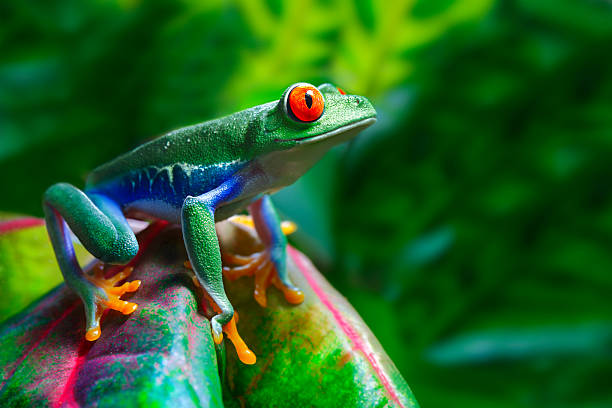
Species such as Pseudophilautus frogs, which exhibit direct development (bypassing a tadpole stage), are particularly sensitive to even minor shifts in temperature and humidity. “Their inability to migrate to new habitats makes them especially vulnerable,” Wijerathne explains.
Of the 34 globally extinct amphibians, 21 were endemic to Sri Lanka—highlighting the island’s fragile ecological balance and the pressing need for enhanced conservation efforts. The study also emphasizes that current protected areas may be insufficient in buffering species against changing climate conditions, suggesting a need for adaptive conservation planning that accounts for future climate projections.
With 370 endemic vertebrate species—including 101 amphibians, 154 reptiles, 34 birds, and 20 mammals—Sri Lanka remains one of the world’s biodiversity hotspots. But without urgent, targeted intervention, many of these unique species could vanish in the coming decades.