Byline:
Staff Reporter | June 21, 2025
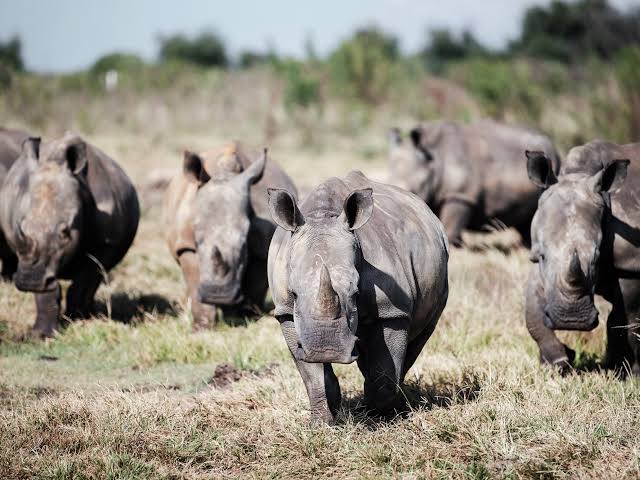
Kigali, Rwanda – In a landmark conservation effort hailed as the largest rhino translocation ever undertaken, 70 southern white rhinos have successfully completed a 3,400-kilometre (2,112-mile) journey from South Africa to Akagera National Park in Rwanda. This ambitious rewilding initiative aims to help secure the future of the species by expanding their range and boosting genetic diversity in the wild.
The massive operation, organized by the Rwanda Development Board (RDB) in collaboration with African Parks and &Beyond, began at Munywana Conservancy in KwaZulu-Natal, South Africa. The rhinos were transported in two groups of 35—first by Boeing 747 cargo aircraft, and then by specially equipped trucks to Akagera, one of Central Africa’s largest protected wetlands.
A Conservation Milestone
“This is the largest single translocation of rhinos ever,” said Peter Fearnhead, CEO of African Parks. “We are proud to have played a role in expanding the habitat of this species and supporting Rwanda’s growing conservation leadership. It’s a testament to what can be achieved through cross-border partnerships.”
The translocation took more than two years of planning, involving wildlife veterinarians, logistics experts, and ecologists. The move is part of a broader plan to establish secure, thriving populations of white rhinos across Africa.
Why Rwanda?
Akagera National Park, co-managed by African Parks and the Rwanda Development Board, has become a beacon of conservation success in the region. Since 2010, poaching has been virtually eliminated from the park thanks to tight security and community engagement programs. The park has already successfully reintroduced lions in 2015 and black rhinos in 2017.
“Rwanda is honored to be a safe haven for wildlife and a global example of what effective conservation can achieve,” said Clare Akamanzi, CEO of the Rwanda Development Board. “This translocation is part of our continued commitment to biodiversity and sustainable tourism.”
Expert Opinions
Dr. Mike Knight, chair of the IUCN African Rhino Specialist Group, praised the move as “strategically significant.”
“White rhinos are near threatened, and expanding their distribution to secure and suitable environments like Akagera is key to ensuring their survival over the next century,” Knight said. “Rwanda’s security and management capacity makes it an ideal location.”
Wildlife veterinarian Dr. William Fowlds, who supervised the health of the rhinos during transit, emphasized the delicate nature of the operation.
“Transporting large, stress-sensitive animals over thousands of kilometers is a huge veterinary challenge,” he noted. “It’s a balance between minimizing stress and ensuring hydration, temperature control, and calm behavior.”
The Southern White Rhino at a Glance
Status: Near Threatened (IUCN Red List)
Population: Estimated at around 16,000 globally
Threats: Poaching for horns, habitat loss
Conservation Goal: Create multiple secure wild populations to prevent catastrophic losses
Looking Ahead
The relocated rhinos are currently undergoing a period of acclimatization in bomas (holding enclosures) within Akagera, where they are monitored closely before full release into the wild. Conservationists hope the population will grow and adapt well to their new environment, adding long-term value to regional biodiversity.
The operation is not only a conservation achievement but a symbolic moment for international cooperation in wildlife protection.
“By protecting rhinos, we protect entire ecosystems,” said Dr. Paula Kahumbu, CEO of WildlifeDirect. “This is how Africa leads by example in saving species for future generations.”
Sources:
Rwanda Development Board (RDB)
African Parks
IUCN Species Survival Commission
BBC, Reuters, National Geographic