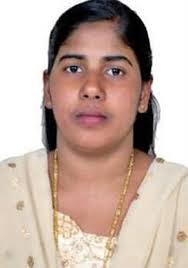
Kochi, India – July 15, 2025 – The impending execution of Nimisha Priya, an Indian nurse sentenced to death in Yemen, has been stayed, offering a critical lifeline in the high-profile case. An official order confirming the stay is expected to be released later tonight, according to the Save Nimisha Priya Action Council, which has been actively working for her release.
The decision to halt the execution reportedly emerged from intensive discussions with the family of the deceased, Talal Abdo Mehdi, and influential tribal leaders in Yemen.
This development marks a significant breakthrough in a case that has garnered immense public attention and diplomatic challenges.
The Action Council expressed its gratitude to prominent Indian Muslim scholar Kanthapuram A.P. Aboobacker Musliyar for his pivotal intervention. It was Musliyar’s outreach that initiated the informal negotiations for Nimisha Priya’s release, particularly by connecting with Sayyid Umar Hafiz, a respected Sufi scholar and cleric in Yemen, referred to here as Sheikh Habeeb Umar Bin Habeedul.
Sheikh Habeeb Umar Bin Habeedul’s high-level delegation, led by Habeeb Abdul Rahman Mahshoozi, spearheaded the recent crucial discussions in Dhamar, northern Yemen, Talal’s hometown. These talks involved tribal leaders,
Talal’s relatives, members of the legal committee, and Nimisha Priya’s family representatives.
While the execution has been stayed, details regarding the “Diyya” (blood money) compensation remain undecided. Discussions on the financial settlement are understood to be ongoing.
A Breakthrough in a Challenging Case
The murder of Talal Abdo Mehdi had ignited strong emotions among the tribal communities in northern Yemen, making direct communication with his family extremely difficult for Nimisha Priya’s legal team and support groups. The ability to engage with Talal’s family through Musliyar’s and Sheikh Habeeb Umar Bin Habeedul’s mediation is seen as the decisive factor in securing the stay of execution.
Sources close to the negotiations indicate that this was a particularly challenging situation, even for the Indian central government, which faced limitations in directly intervening due to India’s lack of formal diplomatic relations with the Houthi-controlled region of Sana’a where Nimisha is imprisoned. Kanthapuram Musliyar’s influence and connections were instrumental in opening channels for informal dialogue that were previously inaccessible.
The stay of execution provides a crucial window for further negotiations regarding the blood money and a potential pardon. The Save Nimisha Priya Action Council and her family will now be intensifying efforts to reach a final settlement that could pave the way for her eventual release from prison. The international community, including human rights organizations, will be closely watching the developments in this complex humanitarian case.