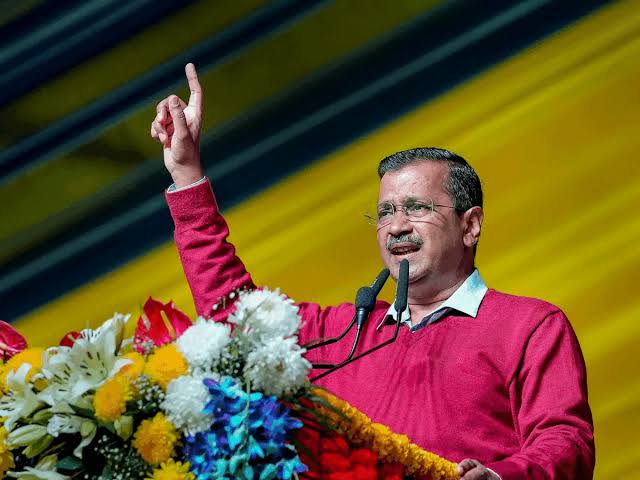
New Delhi, July 18: – The Aam Aadmi Party (AAP) has formally announced its departure from the opposition INDIA bloc, stating that the alliance was intended solely for the 2024 Lok Sabha elections. Rajya Sabha MP Sanjay Singh confirmed the move, saying the party will not attend the upcoming INDIA bloc meeting scheduled before Parliament’s Monsoon Session, a decision that underscores a significant shift in the Indian political landscape.
Key Statements and Reasons
- Alliance’s Timeframe: “The INDIA bloc was for the (2024) Lok Sabha polls. We fought Delhi, Haryana, Punjab, Gujarat, and Bihar elections on our own,” Singh told PTI, clarifying AAP’s consistent strategy of independent electoral contests in state-level polls. He further reiterated, as reported by The Times of India, “Officially, the Aam Aadmi Party is not with the INDIA alliance as of today. Our alliance was for the Lok Sabha elections…”
- Critique of Congress’s Leadership: Singh openly questioned Congress’s role in spearheading the alliance. As widely covered by The Hindu and Deccan Herald, he asked whether Congress, the bloc’s largest party, held any post-Lok Sabha meetings or took initiatives to expand the coalition. He also pointed out the perceived inconsistencies, noting, “Sometimes they criticise Akhilesh Yadav, sometimes Uddhav Thackeray and sometimes Mamata Banerjee. The INDIA should have been united. The Congress is the biggest party of the bloc. But did it play a role (in ensuring opposition unity)?”
- Parliamentary Strategy: Despite leaving the bloc, AAP will continue collaborating with parties like DMK and TMC on legislative matters within Parliament. Singh highlighted that AAP will maintain its strong opposition stance, specifically mentioning the party’s intent to raise issues such as “bulldozer politics” and the alleged demolition of slums in Delhi during the upcoming Monsoon Session, as reported by India Today.
Political Context & Media Analysis - Strategic Realignment: National media outlets such as India Today and The Economic Times have characterized AAP’s withdrawal as a strategic “Ekla Cholo Re” (‘walk alone when needed’) approach. Analysts suggest this move aims for AAP to re-establish its distinct identity and consolidate power in states where it holds sway, such as Punjab, and to expand influence in emerging territories like Bihar and Gujarat, especially after facing setbacks in the 2025 Delhi Assembly elections. This strategy is seen as essential for AAP to project itself as a credible alternative to both Congress and the BJP.
- Impact on Opposition Unity: AAP’s departure is widely considered a critical blow to opposition cohesion, coming just ahead of crucial state polls and parliamentary sessions. Media outlets largely agree that this absence may further weaken the INDIA bloc’s ability to present a united front against the BJP-led NDA government.
Immediate and Future Ramifications - Weakening Opposition Front: AAP’s departure directly disrupts the INDIA bloc’s planned coordination, raising significant concerns about a fragmented opposition strategy in the lead-up to various upcoming elections.
- Congress Under Pressure: Sanjay Singh’s pointed critique places considerable pressure on the Congress party to justify its leadership role and to reinvigorate its alliance-building efforts, particularly as other regional parties might also rethink their association with a seemingly rudderless coalition.
- AAP’s Independent Trajectory: The party’s firm decision to contest state elections independently, including the upcoming Bihar Assembly elections and recent by-elections in Gujarat and Punjab, clearly underscores its intensified focus on building an independent political identity and expanding its footprint without being constrained by alliance dynamics.
- Advantage to BJP: The ruling Bharatiya Janata Party (BJP) is poised to benefit from this development. A fractured opposition often provides an electoral advantage to the incumbent, particularly in closely contested states and during parliamentary proceedings where a united opposition can pose a stronger challenge.
AAP’s exit from the INDIA bloc is fundamentally a tactical shift designed to preserve its independence and enhance its regional strength. While it pledges to continue its role as a strong opposition voice in Parliament, this move undeniably complicates the broader dynamics of opposition unity in Indian politics, especially as the nation gears up for major electoral contests.