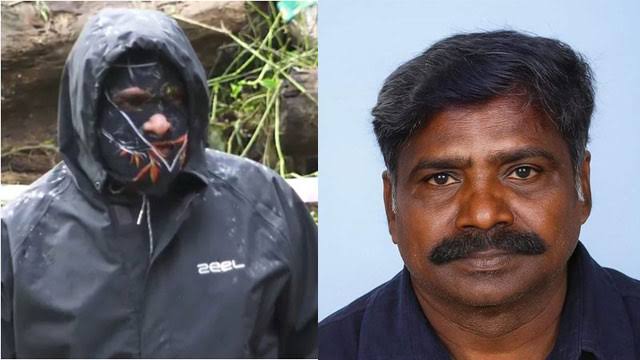
Dharmasthala, Karnataka: In a sensational turn that has upended the Dharmasthala mass burial case, a forensic report has concluded that a skull presented as key evidence by the whistleblower is approximately 40 years old. This discovery has cast serious doubts on the credibility of the whistleblower’s claims and has led to his arrest by the Special Investigation Team (SIT).
The whistleblower, a former sanitation worker who had made explosive allegations of being forced to bury hundreds of bodies, many with signs of violence, between 1995 and 2014, was recently arrested by the SIT for providing false and fabricated evidence.
According to police sources, the individual, whose identity has been protected but is reportedly named C.N. Chinnayya, was taken into custody after a marathon interrogation revealed multiple inconsistencies in his statements. The SIT, which had exhumed several sites identified by the complainant, found no conclusive evidence of mass burials.
The forensic analysis of the skull, which was submitted as crucial evidence, revealed it belonged to a person who died around 40 years ago, a time period that does not align with the whistleblower’s claims. This finding has further discredited the allegations and is being seen as a major breakthrough in the investigation.
This development follows another significant turn in the case, where a woman named Sujatha Bhat, who had claimed her daughter had gone missing from Dharmasthala in 2003, also retracted her statement. She reportedly confessed in an interview that the story was a fabrication and that she never had a daughter named Ananya.
The Dharmasthala temple authorities and devotees have welcomed the recent developments, stating that the truth is now coming to light and that the false allegations were part of a conspiracy to malign the temple’s reputation. The SIT’s findings have put the focus on those who amplified the claims, with authorities warning of legal action against anyone found to be spreading misinformation.