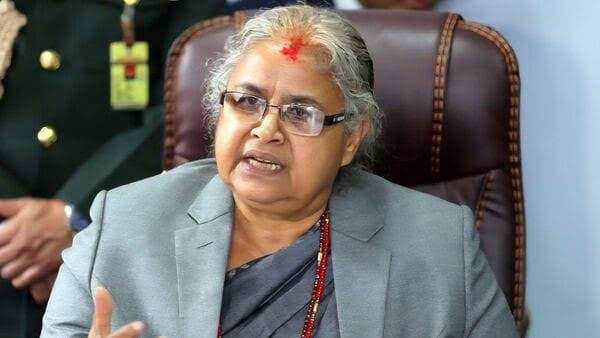
KATHMANDU, Nepal – In a significant political development, Nepal has appointed former Chief Justice Sushila Karki as its interim Prime Minister, a move aimed at restoring stability following a week of massive anti-government protests that led to the resignation of Prime Minister K.P. Sharma Oli. Karki, who is Nepal’s first woman to hold both the Chief Justice and Prime Minister’s offices, was sworn in on Friday evening.
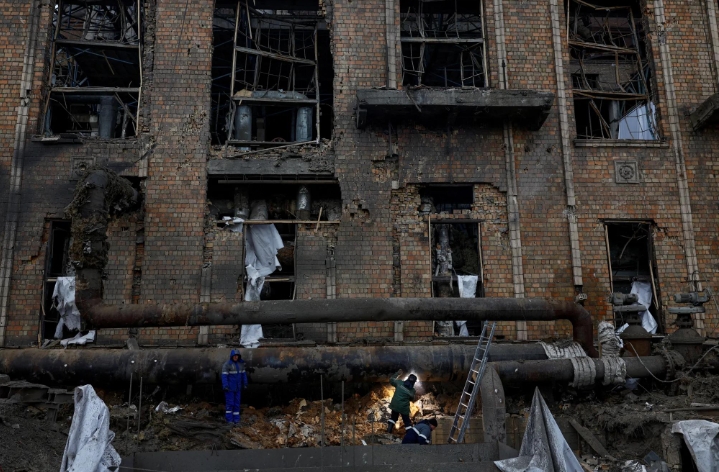
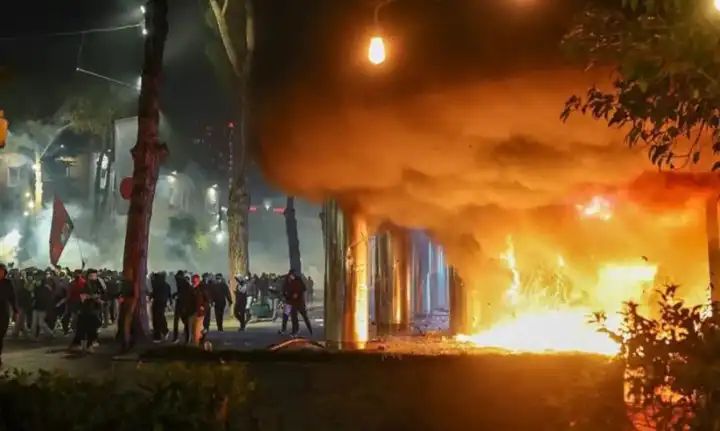
The appointment comes after a period of intense political turmoil and violent clashes across the country. The protests, spearheaded by a youth-led “Gen Z” movement, were sparked by public anger over corruption, political instability, and a government ban on social media. The unrest culminated in the torching of government buildings, clashes with security forces, and the resignation of Oli.
Sushila Karki, 73, is not a politician by background. She is highly regarded for her reputation as an anti-corruption crusader during her tenure as Chief Justice of the Supreme Court from 2016 to 2017. Her selection is seen as a direct response to the protestors’ demand for a neutral figure to lead the country and restore public trust in institutions. She was reportedly the preferred candidate of the young protestors and was publicly endorsed by figures like Kathmandu Mayor Balendra Shah.
The appointment of Karki as the head of a transitional government follows the dissolution of parliament, a key demand of the protest movement. Her primary task will be to restore law and order, investigate corruption allegations, and prepare the country for fresh elections.
While Karki’s appointment has been welcomed by many as a step toward addressing the nation’s deep-seated problems, political observers note that the country is in for a long period of uncertainty. The deep divisions among political parties and the challenges of governing a nation grappling with both economic and political crises will be significant.
The protests and political upheaval highlight the ongoing struggle for stability in Nepal, a country that has seen more than a dozen prime ministers since the abolition of its monarchy in 2008.