ANTANANARIVO, MADAGASCAR — October 15, 2025 In a stunning turn of events, Madagascar’s President Andry Rajoelina has been ousted and the government dissolved after a powerful military faction joined forces with a nationwide youth-led uprising. The elite military unit known as CAPSAT (Corps of the Administration of Strategic Technical Reserves) declared its support for the protest movement, triggering a swift and dramatic shift in the country’s political landscape.
Gen Z Uprising Spurs National Revolt
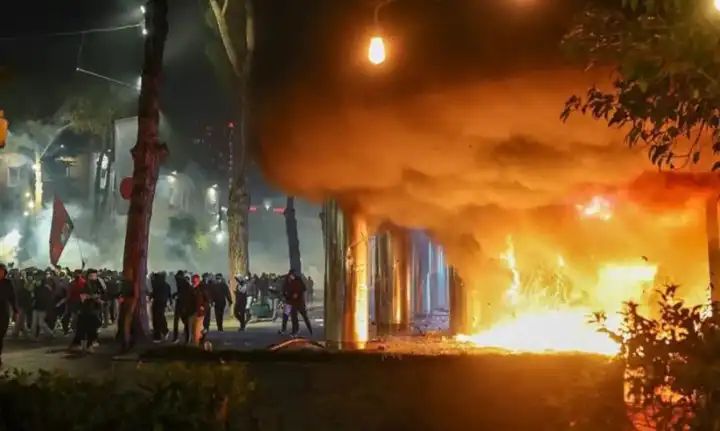
The political crisis was sparked in late September when protests erupted across major cities over chronic blackouts, water shortages, and the mismanagement of state-run utilities. However, the movement rapidly evolved into a broader rebellion against widespread corruption, economic stagnation, and social inequality—grievances most intensely felt by Madagascar’s younger population.
Branded “Gen Z Madagascar,” the movement gained momentum through social media platforms, drawing organizational inspiration from recent youth-led movements in Sri Lanka, Nepal, and parts of West Africa. Tens of thousands of young protesters took to the streets, demanding an end to decades of systemic dysfunction.
Violent Crackdown and Rising Death Toll
Initial government responses were heavy-handed. Security forces cracked down violently on demonstrators, leading to at least 22 confirmed deaths and over 100 injuries, according to a report by the United Nations Human Rights Office. Despite the repression, protests only grew in scale, spreading nationwide and drawing support from labor unions, student organizations, and opposition political figures.
Military Mutiny and Presidential Ouster
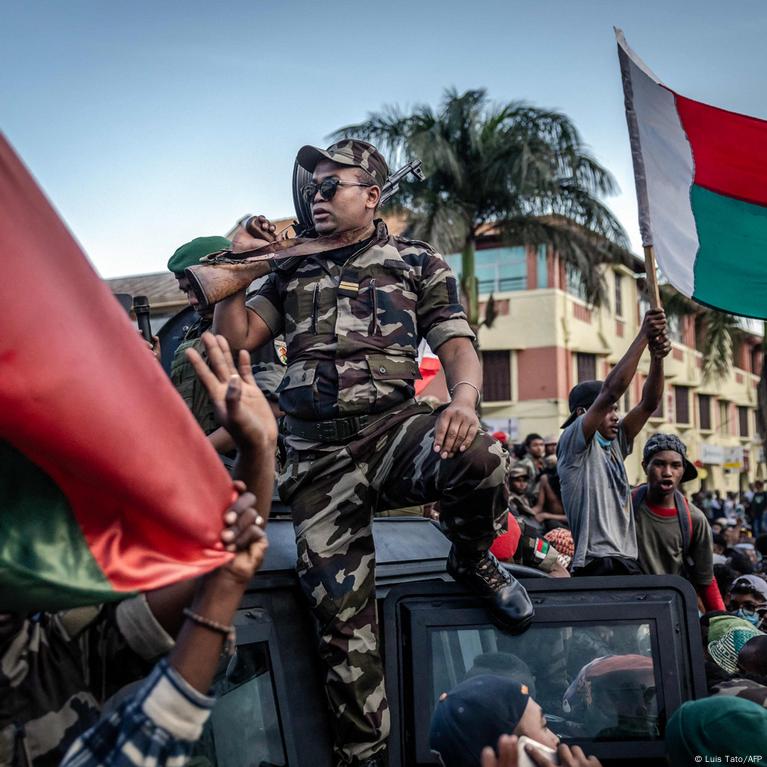
The turning point came over the weekend when CAPSAT—a historically influential and well-equipped branch of the military—defected from the government and aligned with the protest movement. Citing “unbearable levels of political corruption and economic mismanagement,” CAPSAT commander Colonel Michael Randrianirina announced the unit’s intention to “stand with the people of Madagascar.”
As news of the military defection spread, President Rajoelina fled the country under heavy security escort. His last known communication cited threats to his life and warned of an “illegal military insurrection,” but his departure only emboldened protestors and the mutinous army.
In response, the National Assembly—defying Rajoelina’s earlier attempt to dissolve it—convened in emergency session and voted overwhelmingly to impeach him in absentia. Hours later, Colonel Randrianirina appeared on national television, declaring the armed forces had taken control to “restore order and facilitate national reconstruction.”
Transition Plan and Civilian Leadership Promise
The military swiftly dissolved the current government and announced the formation of a Transitional National Council, composed of military officers and representatives from the national gendarmerie. The council stated it would oversee the appointment of a civilian-led interim government within 30 days, followed by constitutional reforms and eventual democratic elections.
In his address, Colonel Randrianirina emphasized that the military has “no intention of holding on to power” and is acting solely to “prevent the collapse of the republic and respond to the legitimate demands of the Malagasy people.”
International reactions have been mixed, with the African Union and United Nations expressing concern over the military’s seizure of power but acknowledging the deep-rooted socio-economic grievances behind the uprising. Several foreign governments have urged calm and called for a swift return to civilian rule.
A New Chapter for Madagascar?
This marks Madagascar’s most severe political upheaval since 2009—when Rajoelina himself rose to power in a military-backed movement. Now, the youth he once claimed to represent have become the driving force behind his fall.
The coming weeks will determine whether this military-backed transition leads to real reform or becomes yet another chapter in Madagascar’s turbulent political history. For now, the streets of Antananarivo remain filled with hopeful yet wary citizens, calling not just for new leadership—but for a new system entirely.